
Last updated November 21, 2026
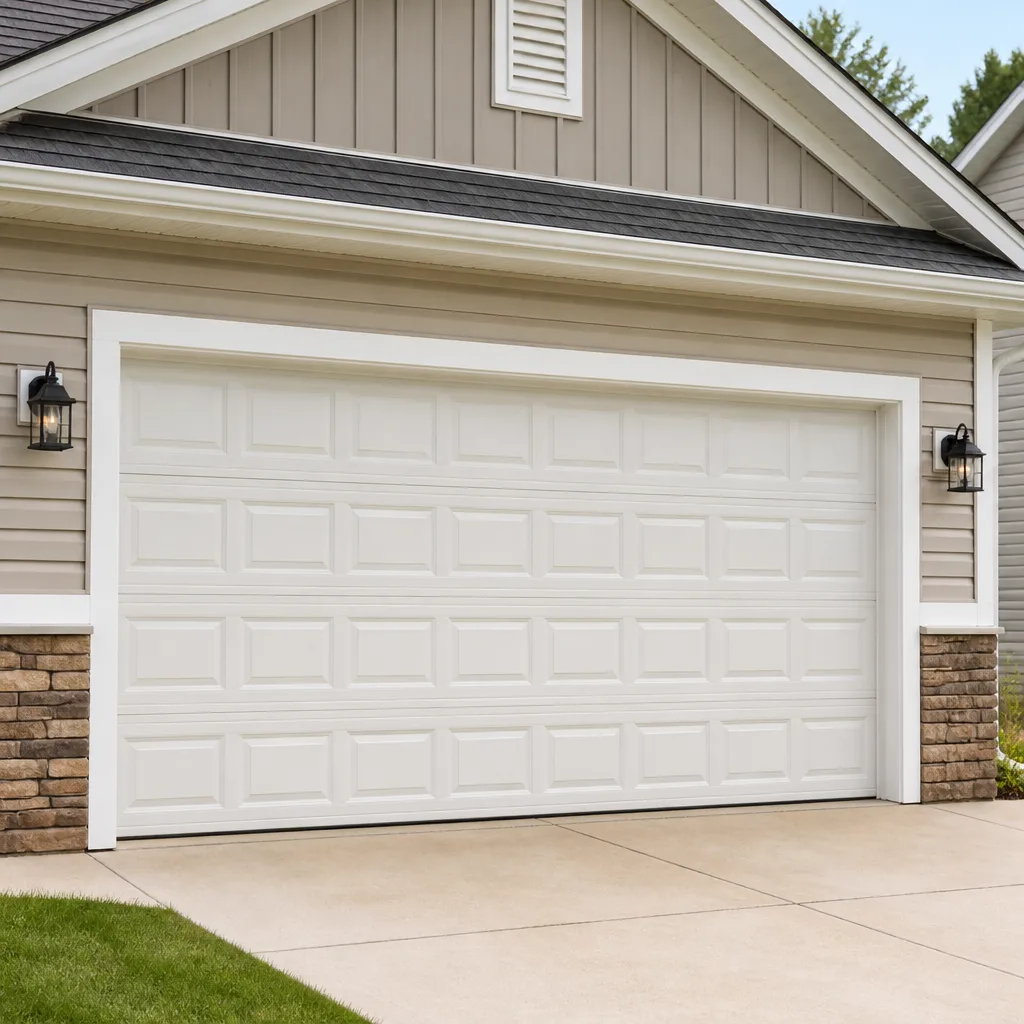 Raised-panel steel
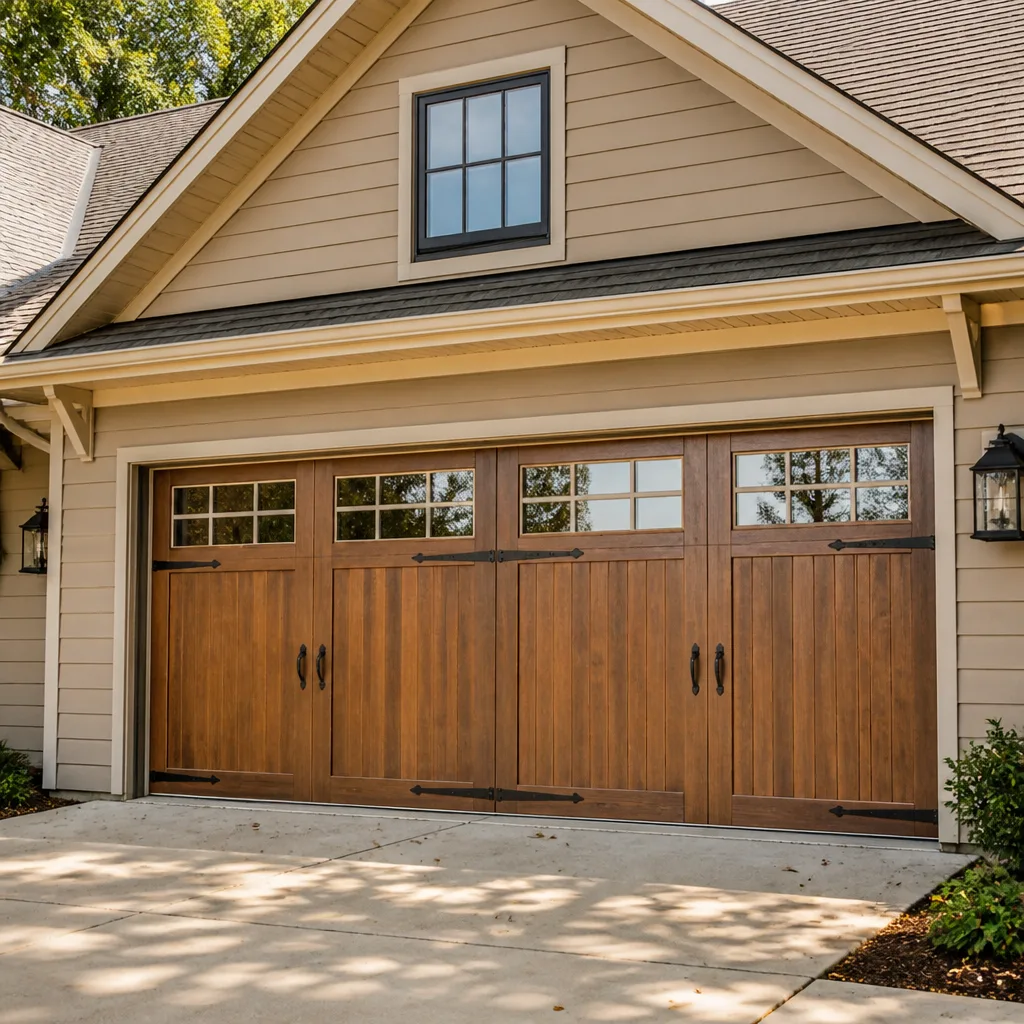 Carriage house
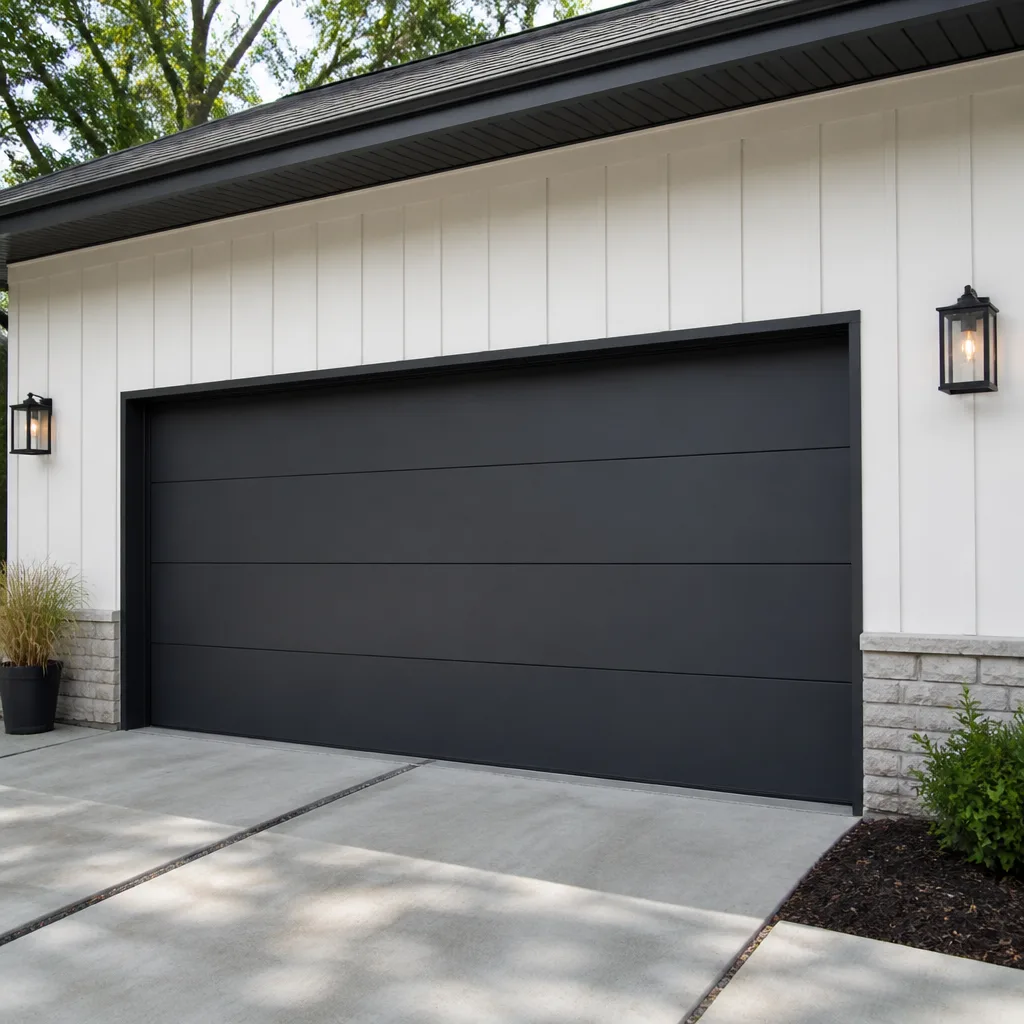 Modern flush
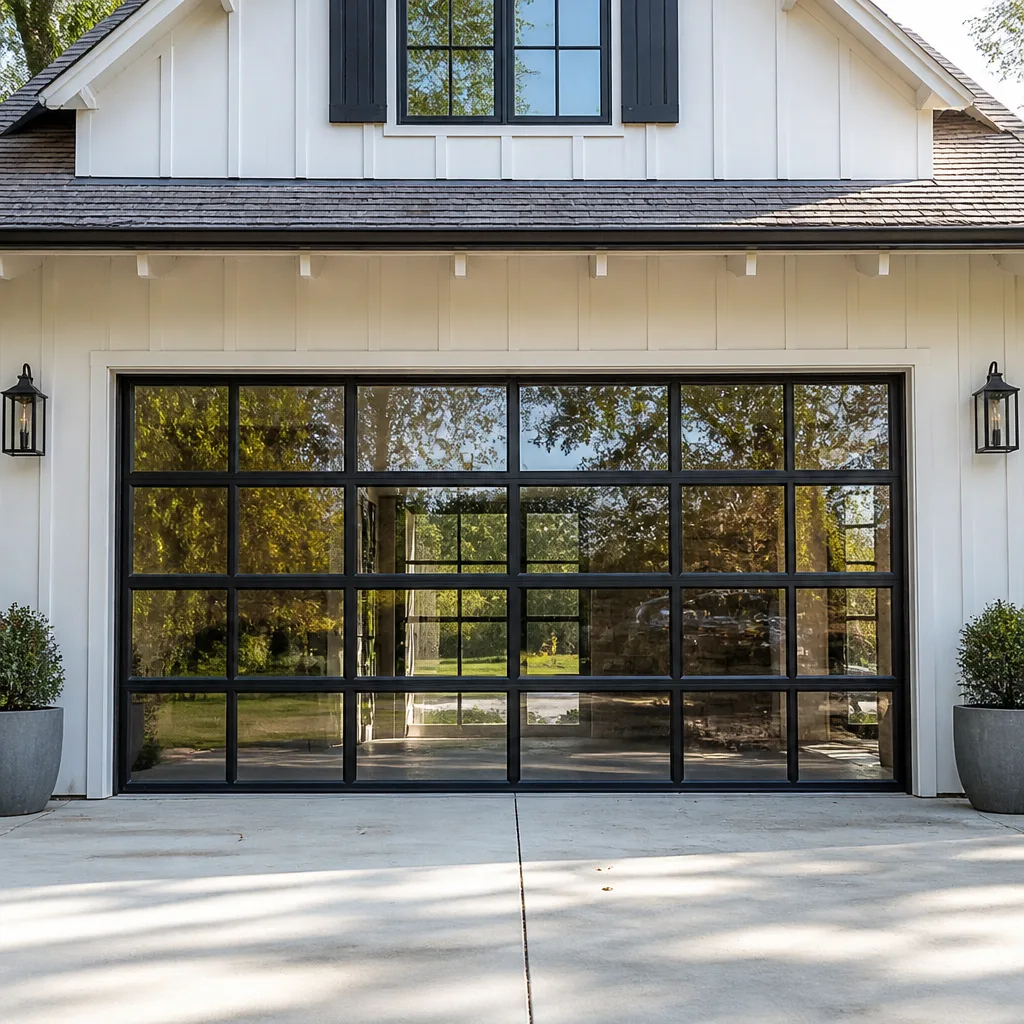 Full-view glass
 LiftMaster openers
 Chamberlain openers
Full 25-point door and opener safety check with every visit - springs, cables, rollers, tracks, and your LiftMaster or Chamberlain opener included
You get a price before we start. It does not change when the pro arrives.
Get your free estimateGarage Door Permits, Codes & Inspections in Park Hill, CO: What You Need to Know
Most Park Hill homeowners assume garage door work is too small to involve the city. That assumption is half right, and the half that’s wrong is the half that shows up at closing. Replacing a damaged panel is usually exempt. Adding an opener to a door rated for something other than residential use, cutting a new opening, or converting a carport can pull in plan review and inspection. The gap between those two categories is where paperwork gets skipped, and where a title search years later asks a question nobody wants to answer. This guide walks through what Denver actually requires, what an inspector looks at, and how Park Hill’s HOA overlay fits alongside the city permit rather than replacing it.
Quick Answer
In Park Hill and the rest of Denver, routine garage door repairs like spring replacement, panel swaps of the same size, roller and hinge work, and opener replacement on an existing residential door generally don’t need a permit. New construction, enlarging or moving a door opening, converting a carport or shed into a garage, and any change to the fire-rated door or wall between an attached garage and living space generally do. When in doubt, call Denver’s building department and describe the specific job in one sentence. They’ll tell you which side of the line it falls on.
Styles & brands we work with
- Raised-panel steel
- Carriage house
- Modern flush
- Full-view glass
- LiftMaster openers
- Chamberlain openers
Table of Contents
- Which garage door projects need a permit in Park Hill, and which are exempt?
- The IRC rule Park Hill homeowners miss: the fire-rated door between garage and house
- Why opener replacement is sometimes a permit job and sometimes not
- What a Denver inspector actually checks during a garage door inspection
- How unpermitted garage work surfaces in a title search, and what it takes to resolve
- The Park Hill HOA overlay: approval runs parallel to the city permit
- Park Hill climate, older housing stock, and why the code cares
- How the permit process works, step by step
Which garage door projects need a permit in Park Hill, and which are exempt?
The short version: repairs that keep the garage door the same size, in the same opening, with the same function, are generally treated as maintenance. Anything that changes the structure of the opening or the use of the space is a different conversation.
Here’s the working split we use when a Park Hill homeowner asks us before scheduling a job.
Usually no permit required
- Replacing a broken torsion or extension spring (either the single spring or a matched pair).
- Swapping a damaged door panel with one of the same dimensions and material.
- Replacing rollers, hinges, cables, drums, or the bottom seal.
- Replacing an opener on an existing residential door with another residential-rated opener of similar capacity, wired to the existing circuit.
- Replacing a whole door with one of the same size and same general type, when no framing, header, or opening dimension changes.
- Lubrication, balance adjustment, track straightening, and safety reverse testing.
Generally requires a permit
- Cutting a new garage door opening into an existing wall.
- Widening or heightening an existing opening, which changes the header.
- Converting a carport or detached shed into an enclosed garage.
- Building a new attached or detached garage, including the door itself.
- Changing the door or wall assembly between an attached garage and the living space, or altering the fire separation.
- Installing a door rated for a commercial use on a residential property, or the reverse.
Denver draws these lines by project type, not by what a contractor says on the phone, so the job description matters. “Replacing a spring” and “replacing a door in an existing opening” are both routine. “Making the opening wider so my truck fits” is a structural change even if it sounds like a door job. If you’re in a Park Hill bungalow where the garage was converted from something else years ago, the history of that space may decide whether your project is treated as repair or as new construction. A quick call to the city’s building department with the address usually settles it.
The IRC rule Park Hill homeowners miss: the fire-rated door between garage and house
This is the rule that comes up most often in Park Hill, because a large share of the neighborhood’s homes have an attached or tuck-under garage sharing a wall with the house. The International Residential Code treats the garage and the living space as a separation problem: the wall between them, and the door in that wall, exist to slow a fire long enough for people to get out.
What that means in practice:
- The door between an attached garage and the house is generally required to be a self-closing, self-latching door rated for fire separation. A hollow-core interior door is not it.
- The wall, ceiling, and any structural element facing the garage are part of the same separation assembly. A door swap alone doesn’t fix a wall that’s been cut into.
- If the door has been replaced over the years with a standard interior door, or the self-closer has been removed because it was annoying, that’s the kind of item an inspector or a buyer’s inspector will flag.
- The overhead garage door itself is a different item. It has to work and be safe, but the fire separation requirement lives at the house-to-garage boundary, not at the vehicle door.
For a Park Hill homeowner, the practical move is simple: walk out to the garage and look at the door you use to get into the house. Does it close and latch on its own? Does it feel solid? If the answer is no on either count, that door is the item to fix, and it’s a genuine safety improvement, not a cosmetic one. Because the door is fire-rated and part of the separation assembly, swapping it is a job to discuss with the city before choosing a replacement, since the requirement is specific to the assembly and the opening.
This is also where the “was this permitted?” question gets interesting. A prior owner who replaced that door with a standard interior door may not have thought about the fire separation at all. It’s a common find, and it’s solvable. What you don’t want is to discover it during a sale with no time to sort out the paperwork.
Why opener replacement is sometimes a permit job and sometimes not
Opener replacement on a typical Park Hill residential door doesn’t require a permit when you’re swapping one residential-rated unit for another on the existing circuit. It becomes a different project when the opener changes the character of the door’s use or the electrical work changes the circuit.
When opener work moves into permit territory:
- Adding a new circuit or outlet in the garage. Electrical work in Denver generally requires a permit and inspection. A new dedicated outlet for the opener is electrical work. Reusing the existing outlet is not.
- Installing a commercial-duty or high-cycle opener on a residential property. The equipment class can matter for how the door and opener are rated and inspected.
- Changing the door type or size at the same time. If the opener goes in as part of a door replacement that itself required a permit, the opener rides along with that project.
- Adding a second door or opening. A new opening is new construction regardless of the opener.
If you’re hiring us for garage door opener repair on your existing residential setup, this is usually a repair, not a permit job. We work on LiftMaster, Chamberlain, Genie, and the other major brands, including the Wi-Fi and app-connected models, and most calls are a swap or a sensor fix on the existing wiring. If the correct fix is a new circuit, that’s an electrician’s permit, not ours, and we’ll say so plainly before anyone starts.
What a Denver inspector actually checks during a garage door inspection
When a garage door job does get inspected, the inspection is short and specific. This is the list most homeowners have never seen until it’s in front of them.
- Opening dimensions and framing. Does the rough opening match the permitted plan, and is the header sized and supported as drawn?
- Door installation and anchorage. Is the door secured to the framing as specified, with the correct fasteners and brackets?
- Balance and travel. Does the door open and close smoothly through its full range without binding?
- Safety reverse. Does the opener reverse on obstruction with the required pressure, and do the photo-eye sensors stop and reverse the door when the beam is broken?
- Fire separation where applicable. For an attached garage, does the separation between garage and living space hold up: rated door, self-closing, self-latching, no unprotected penetrations in the assembly?
- Electrical compliance. If new wiring was part of the permit, is the circuit installed and protected as required?
- Labels and documentation. Are the door and opener marked with the ratings the permit plan called for?
In our experience, the items that fail first aren’t the door itself. They’re the safety reverse adjustment, a sensor mounted out of alignment, or a fire door that was replaced years earlier with a standard interior door. All three are quick fixes when they’re caught early and annoying when they’re caught by a buyer’s inspector on day three of a five-day inspection window. If you’re prepping a Park Hill house for sale, testing safety reverse and checking the house-to-garage door are twenty minutes of work that can save a negotiation.
How unpermitted garage work surfaces in a title search, and what it takes to resolve
Garage work done without a permit usually doesn’t come to light when it happens. It comes to light when the property changes hands, when an insurer requests documentation after a claim, or when a neighbor’s remodel triggers a broader look at records. Title companies and buyers’ agents pull permit history as part of a routine sale, and a garage conversion, a new opening, or a structural change with no permit on file becomes a question mark in the transaction.
Resolution steps are straightforward, though the timeline depends on the city:
- Pull the permit history for the address through Denver’s online records. You’ll see what was permitted and what wasn’t.
- Determine what was actually done. Sometimes the work was permitted but never closed out. That’s the easier case: the final inspection was never scheduled.
- Contact the building department and describe the current state of the garage honestly. They’ll tell you whether the fix is a records correction, a late final inspection, or a new permit for unpermitted work.
- Complete whatever the city requires, which may include drawings, an inspection, or a small correction to bring the work into current code.
- Get the final sign-off in writing and keep it with the house documents.
Doing it right the first time costs the permit fee and the inspection. Resolving it during a sale costs time, and time during a sale is the expensive part. That’s the honest trade, and it’s the reason we tell Park Hill homeowners to ask the permit question before work starts rather than after.
The Park Hill HOA overlay: approval runs parallel to the city permit
Park Hill has active homeowners associations in several sections of the neighborhood, and this is where a lot of well-prepared permit applications still stall. An HOA approval is not a substitute for a city permit, and a city permit is not a substitute for HOA approval. You need both when both apply.
What the HOA overlay typically covers that the city doesn’t:
- Door style, panel design, and color, particularly on street-facing doors.
- Materials: wood-look vs. steel, window inserts, carriage-style hardware.
- Setbacks, driveway apron condition, and whether a side-entry door is allowed.
- Whether the door change triggers an architectural review of the whole façade.
The practical sequence is to check the HOA rules before ordering a door, not after. A door that meets code and looks right but violates an architectural guideline is a door you may be asked to replace, and the city permit doesn’t protect you from that. Some Park Hill sections have no HOA at all; others have active ones. If you don’t know which situation you’re in, the title company can tell you, and so can a quick look at the recorded covenants.
When we quote a garage door installation in Park Hill, we ask about HOA restrictions before the door is ordered. Getting a Clopay or Amarr door in a color an architectural committee will reject is the most avoidable delay in the whole process.
Park Hill climate, older housing stock, and why the code cares
Denver’s climate is hard on garage doors in ways that show up on inspection. The freeze-thaw cycle through winter and early spring works on the door’s bottom seal, hinges, and the fasteners that hold the track to the framing. Summer heat and the intense sun on a west-facing door expand and contract steel panels until the rollers wear unevenly and the door goes out of balance. Add hail season and Park Hill has a door population that takes real punishment, which is part of why so many openings in the neighborhood have had door work done over the years, sometimes more than once, sometimes without a record.
Housing stock matters just as much. Many Park Hill homes date to the early and mid-twentieth century, and plenty of garages have been altered, enclosed, re-opened, or converted since. Original framing dimensions don’t always match current door sizes, and a door replacement that seems routine can uncover a header that was changed by a prior owner. That’s not a reason to panic. It’s a reason to open the wall and look before ordering a custom door, and a reason to talk to the city if the opening has clearly been changed.
Seasonally, garage doors in Park Hill get stiff in cold snaps, which puts extra load on springs and opener motors. The safety reverse test is worth running monthly through the winter months. If your door reverses on a light touch or doesn’t reverse at all, stop using the opener and get it looked at; that’s a real hazard and not something to put off until spring.
How the permit process works, step by step
When a garage door project does need a permit in Park Hill, the process looks like this.
- Confirm with the city that a permit is needed. Call the building department with the address and a one-sentence description of the job. Ask which permit type applies and whether plan review is required.
- Check your HOA rules separately. Order the door only after you know both the city and the HOA requirements.
- Prepare drawings and scope. For a door replacement in the same opening this is often minimal. For a new opening, a conversion, or a fire separation change, expect drawings showing framing, header, and door specification.
- Submit the application and pay the fee. Fees vary by project type and scope; the city will tell you the amount.
- Schedule the inspection. Once the work is complete, the inspection confirms the door, opener, safety features, and any electrical work match what was permitted.
- Get the final sign-off and file it. Keep the permit and final inspection record with your house documents. It’s the thing that answers the question two sales from now.
For a routine spring break or a dead opener, none of this applies and the work is a repair. If you’re not sure where your job falls, ask before ordering anything. It’s the cheapest part of the whole process. When the door itself is the problem, our garage door repair work covers springs, cables, tracks, panels, and hardware, and our technicians have up to 9 years of experience diagnosing what’s actually wrong before anyone quotes a part.
Common Mistakes to Avoid
- Assuming a door swap is always exempt. Same-size door in the same opening usually is. A larger opening, a different door class, or a header change usually isn’t. Ask the city before ordering.
- Replacing the house-to-garage door with a standard interior door. That door is part of the fire separation and needs to be rated and self-closing. It’s a real safety item, not a cosmetic one.
- Ordering the door before checking HOA architectural rules. In Park Hill’s HOA sections, a door that meets code can still be rejected on style or color. Get the HOA approval first.
- Letting a permitted job sit without a final inspection. Work that was done correctly but never signed off shows up as unpermitted in a later records search, and the fix is a phone call you could have made years earlier.
- Skipping the safety reverse test. The test takes two minutes and is the first thing any inspector, buyer’s inspector, or technician checks. A door that doesn’t reverse on obstruction is a hazard.
- Ignoring balance after a spring change. A door that’s balanced wrong strains the opener and wears the tracks. Verify balance every time the springs are touched.
- Assuming a carport is “just a garage.” Converting one to an enclosed garage is new construction for permit purposes, and it may also affect setbacks and HOA rules.
See the difference
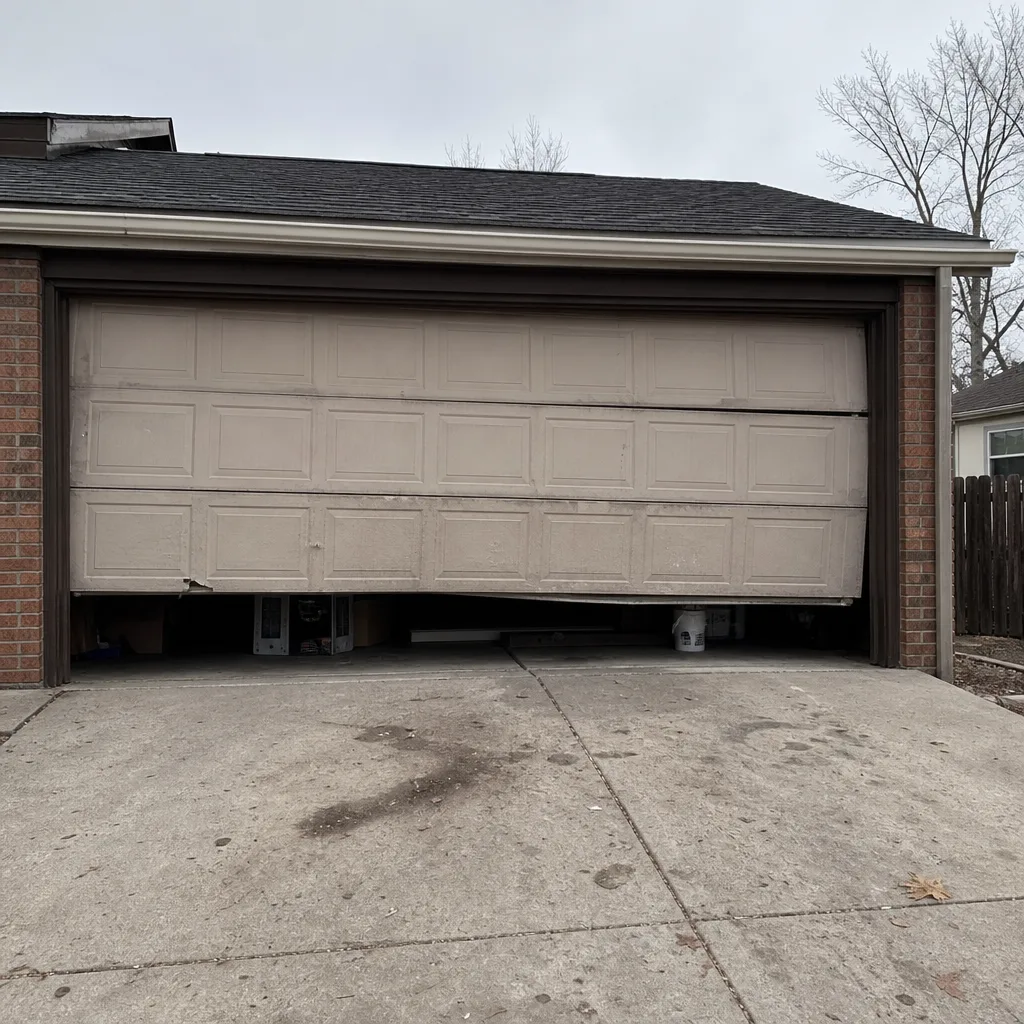 Before
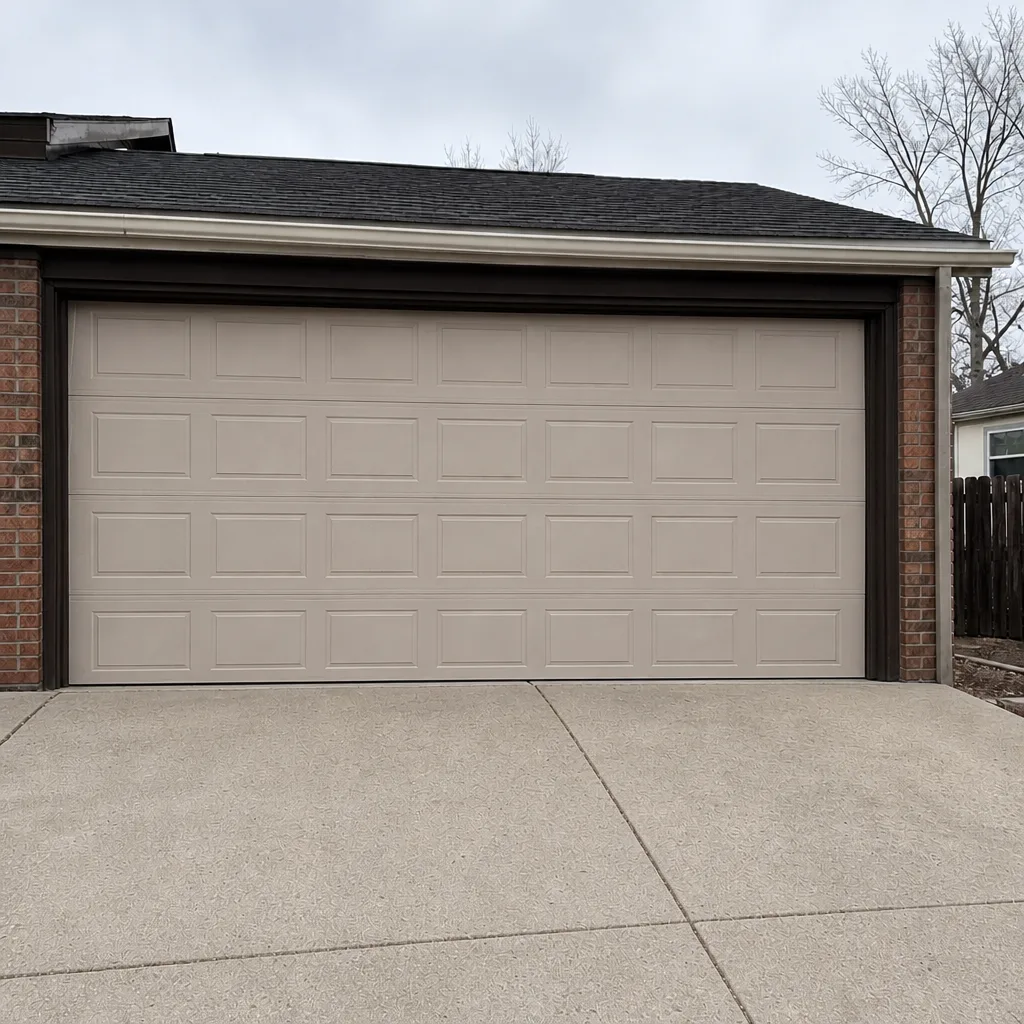 After
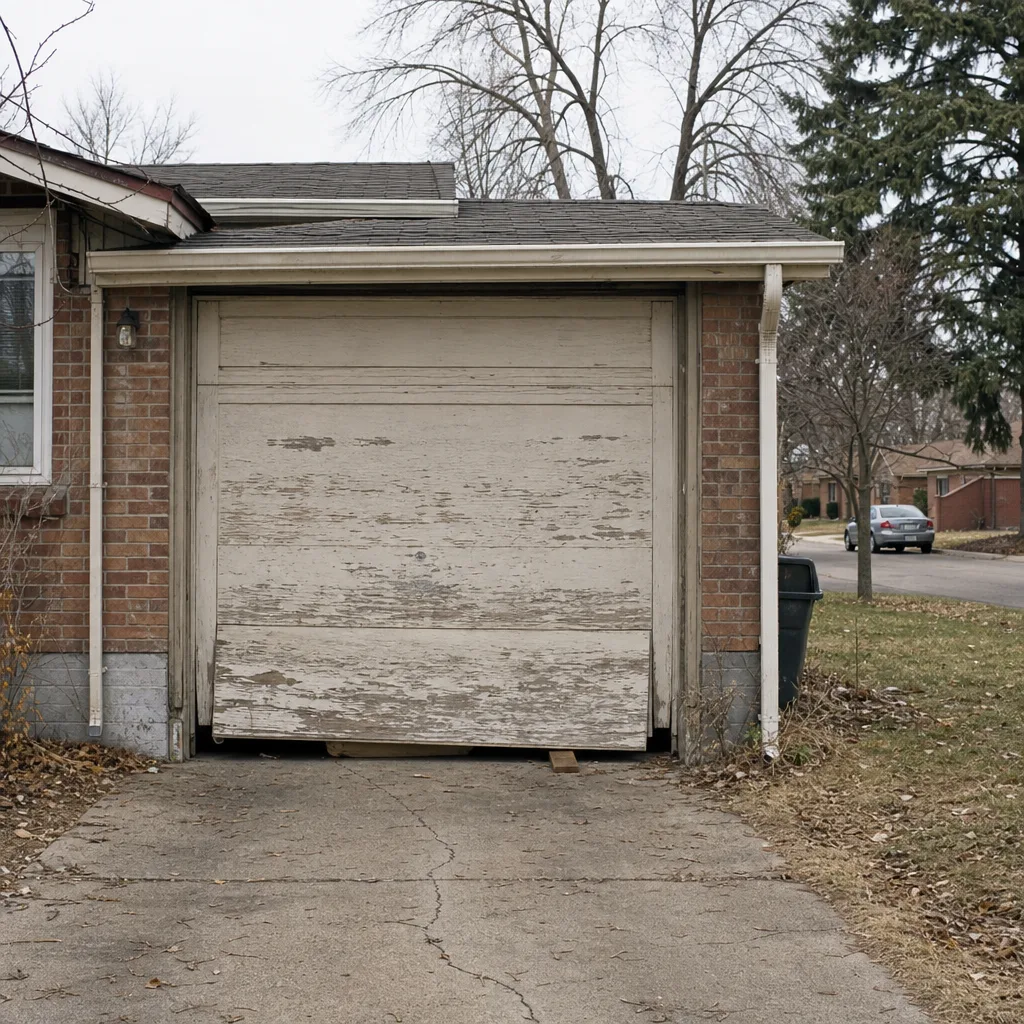 Before
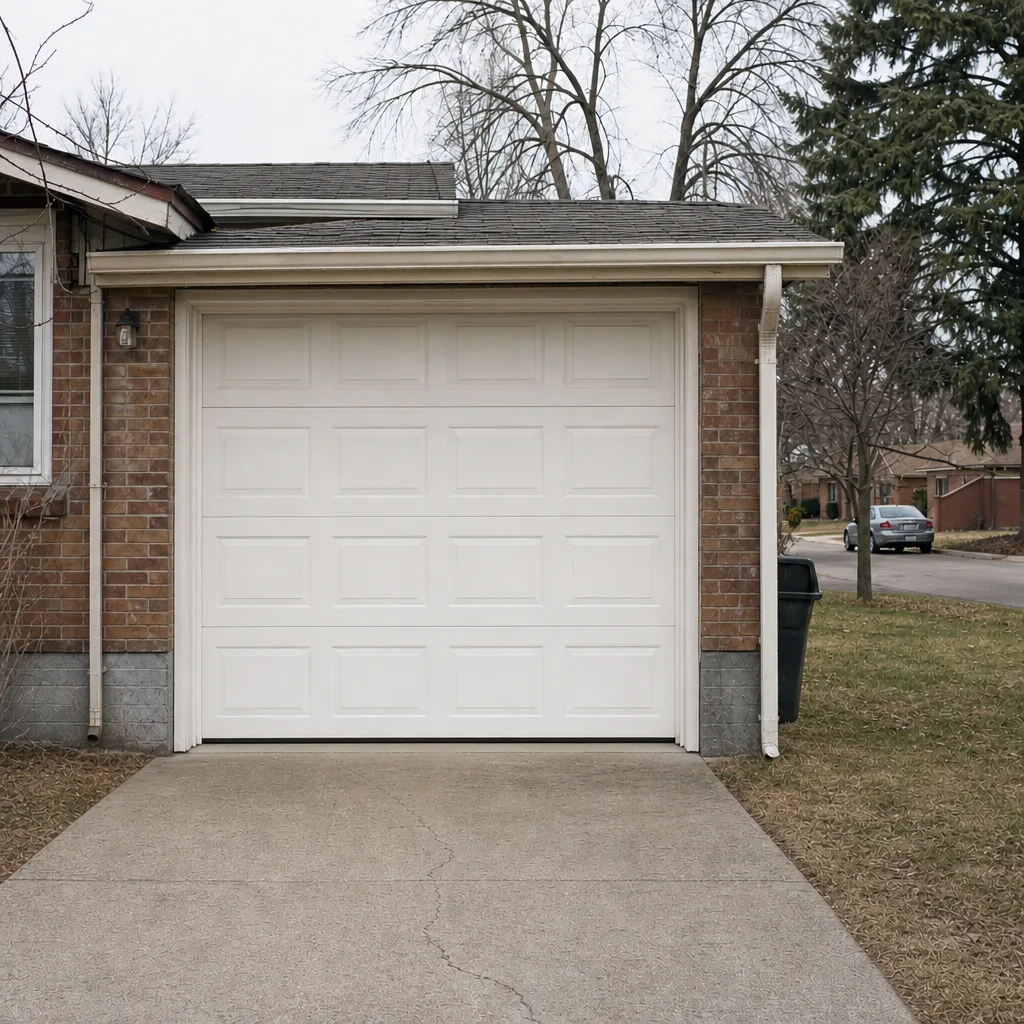 After
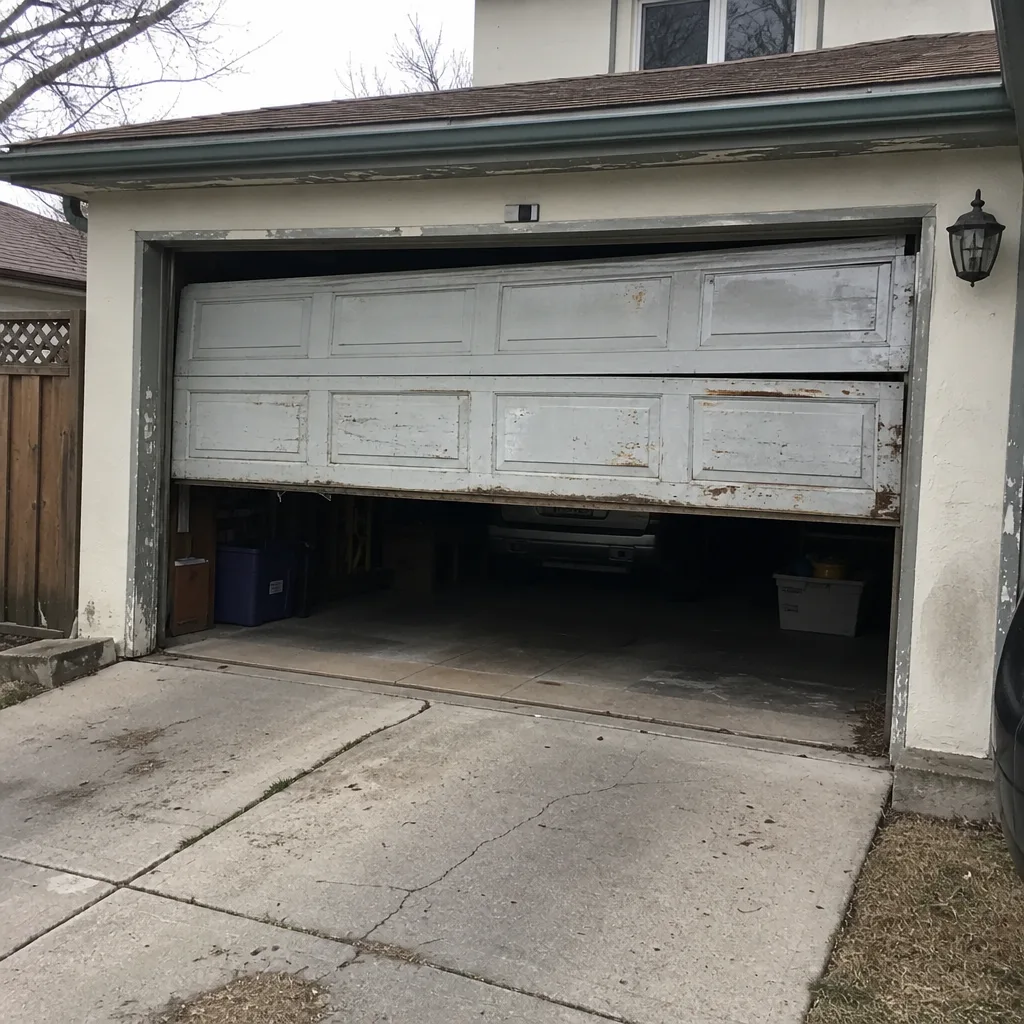 Before
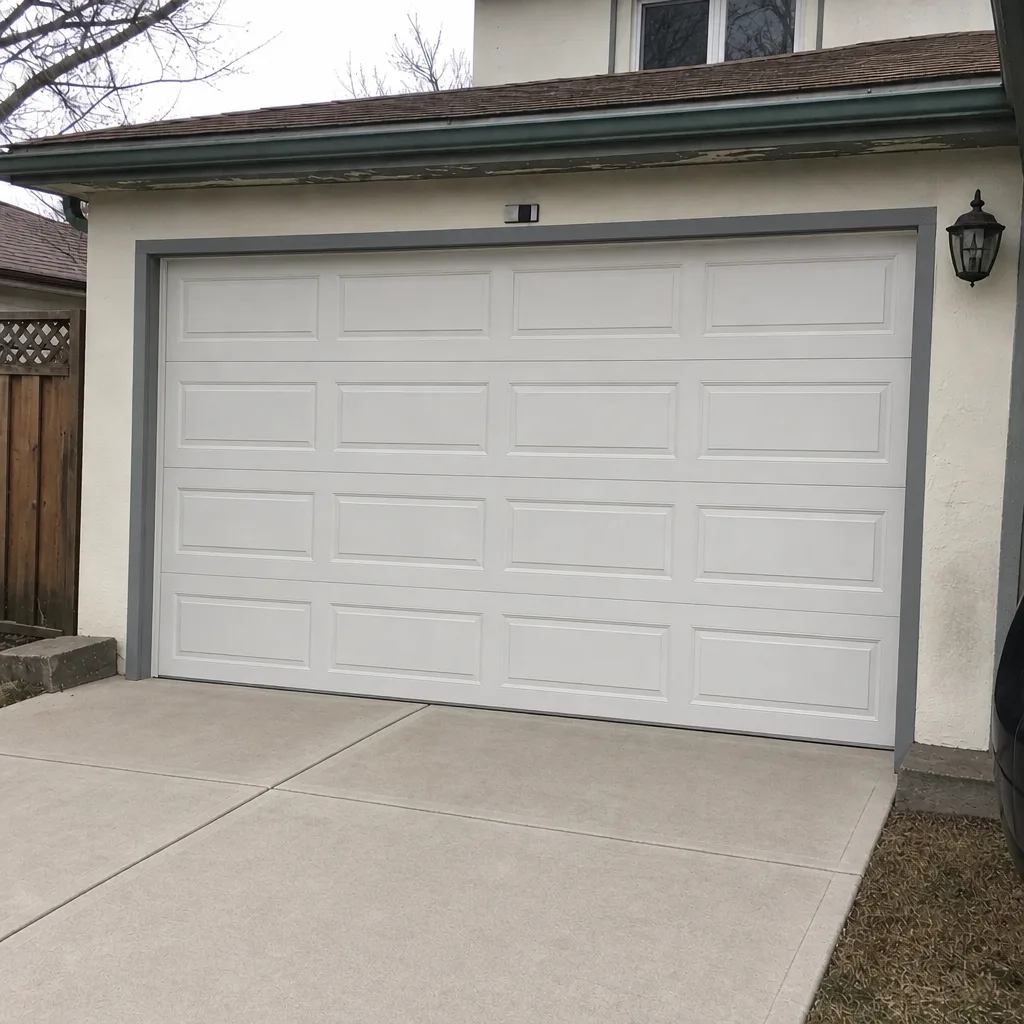 After
When to Call a Professional
Call us when the door won’t open or close, when a spring has broken and the door is stuck in place, when the opener runs but the door doesn’t move, or when the safety reverse has stopped working. Call us if a panel is off-track, a cable has jumped its drum, or the door has started to bind partway through its travel. Call us before ordering a replacement door if you don’t know whether the opening has been altered from original. And call us before an HOA or city inspection if you want the door, opener, and safety features checked so you’re not surprised on the day of the visit. Garage Door Repair Park Hill offers free estimates in Park Hill; call (888) 912-7130 to schedule one. We answer 24/7, and fast dispatch from 7am to 7pm, Sunday through Friday.
Torsion and extension springs are under enough tension to cause serious injury, and adjusting them is not a DIY project. If you suspect spring or cable trouble, stop operating the door and call us. The same goes for anything electrical in the garage: a panel, a new circuit, a hardwired opener. That’s an electrician’s job, and we’ll tell you so.
Frequently Asked Questions
Usually no, if you’re replacing a door with one of the same size and type in the same opening. If the opening is being changed, the door class is being changed, or the fire separation between an attached garage and the house is affected, the city generally treats it as permit work. Call Denver’s building department with the address and a one-sentence description before ordering the door. Call (888) 912-7130 if you need a free estimate on the replacement itself.
No. Spring replacement is maintenance on an existing door and doesn’t require a permit. It does need to be done safely, because both torsion and extension springs are under high tension and can cause serious injury if handled wrong. We work on LiftMaster, Chamberlain, Genie, and the other major opener brands alongside the springs themselves, so the door and the opener get checked in the same visit. Call (888) 912-7130 for a free estimate.
The door between an attached garage and the living space is generally required to be a rated, self-closing, self-latching door as part of the fire separation assembly. A standard hollow-core interior door is not it. If you’re not sure what’s installed, that’s worth checking before a sale. If a replacement is needed, ask the city about the rated assembly before choosing a door. Call (888) 912-7130 for a free estimate on the overhead door and opener while you’re sorting it out.
It can. Permit history is part of the records a buyer’s agent and title company review, and a garage conversion or a new opening with no permit on file will prompt questions. The fix depends on what was actually done: sometimes it’s a late final inspection, sometimes a new permit. Calling the city and describing the current state honestly is the fastest way to find out which. Call (888) 912-7130 if the door itself needs attention before the sale.
They’re separate approvals and you need both when both apply. The city permit covers code compliance and inspection. The HOA architectural review covers style, color, materials, and sometimes setbacks, and it can reject a door that meets code. Check the HOA rules before ordering, and check the recorded covenants if you’re not sure whether your section has an active association. Call (888) 912-7130 if you need a free estimate on a door that already has HOA approval.
Yes. We handle LiftMaster, Chamberlain, Genie, Clopay, Amarr, Wayne Dalton, Craftsman, and Raynor, including modern Wi-Fi and app-connected openers, and we stock parts so a repair doesn’t sit waiting on a shipment. Springs, openers, panels, and hardware are all within scope on one visit. Our technicians have up to 9 years of experience, and the price is quoted and agreed before any work starts. Call (888) 912-7130 for a free estimate.
The Bottom Line
The permit question on a garage door comes down to one test: does the job change the structure, the opening, or the fire separation, or does it keep the door functionally the same? Same door, same opening, same job, and you’re in repair territory. New opening, larger opening, a carport conversion, or a change to the door between your garage and your house, and the city wants to see the plan and the inspection. The fire door is the item most Park Hill homeowners overlook, and it’s the one that matters most for safety. Check it, test the safety reverse, keep the final inspection paperwork with the house, and call the city before ordering anything you’re not sure about. For a Garage Door Repair Park Hill team that works on the brand you already own, call (888) 912-7130 for a free estimate. We answer 24/7. Fast dispatch from 7am to 7pm, Sunday through Friday.
Written by the team at Garage Door Repair Park Hill.