
Last updated November 21, 2026
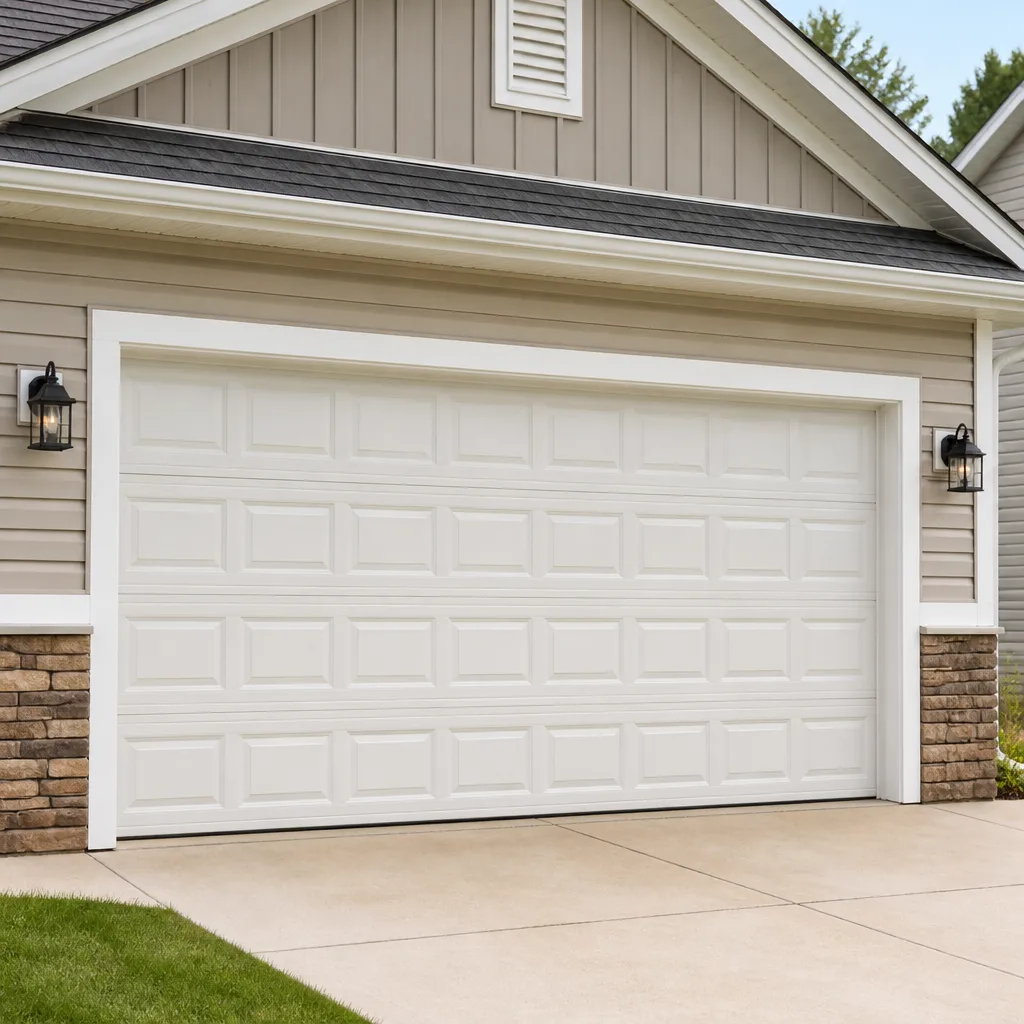 Raised-panel steel
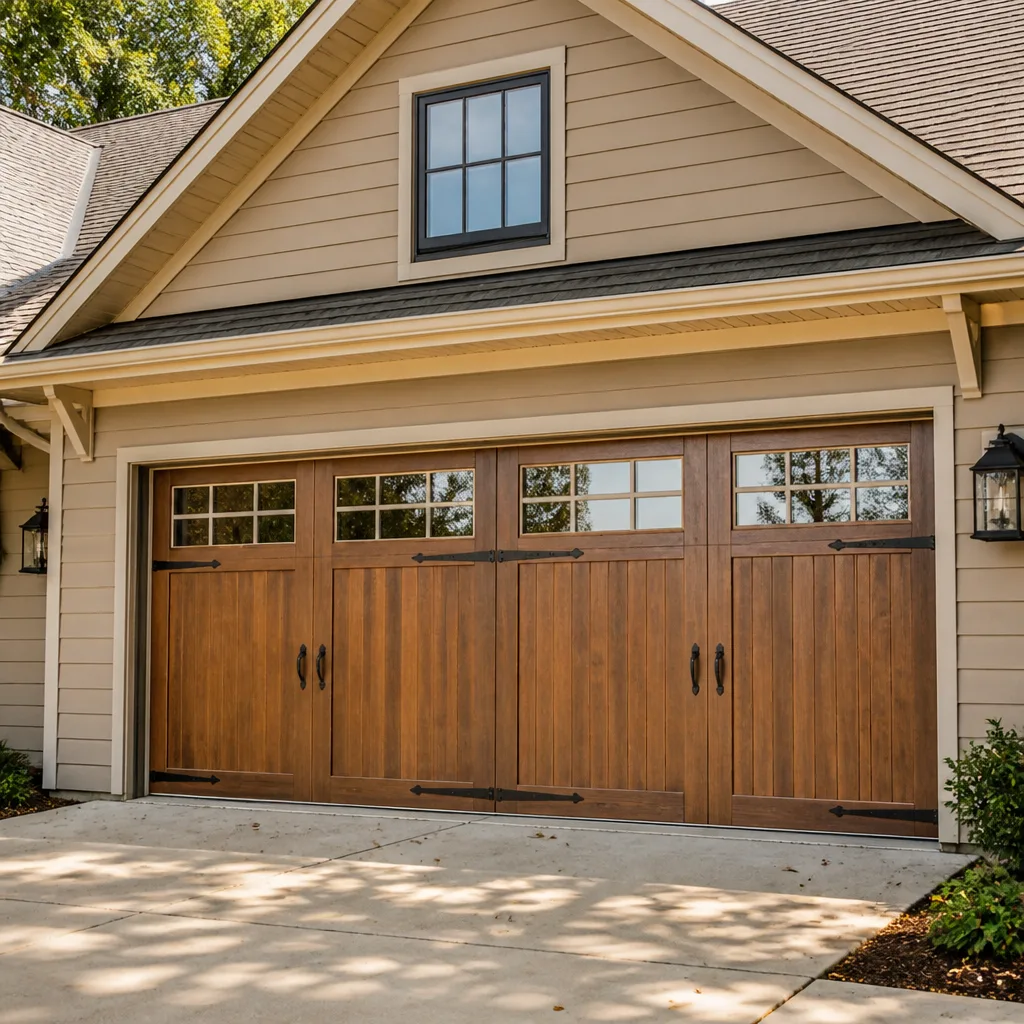 Carriage house
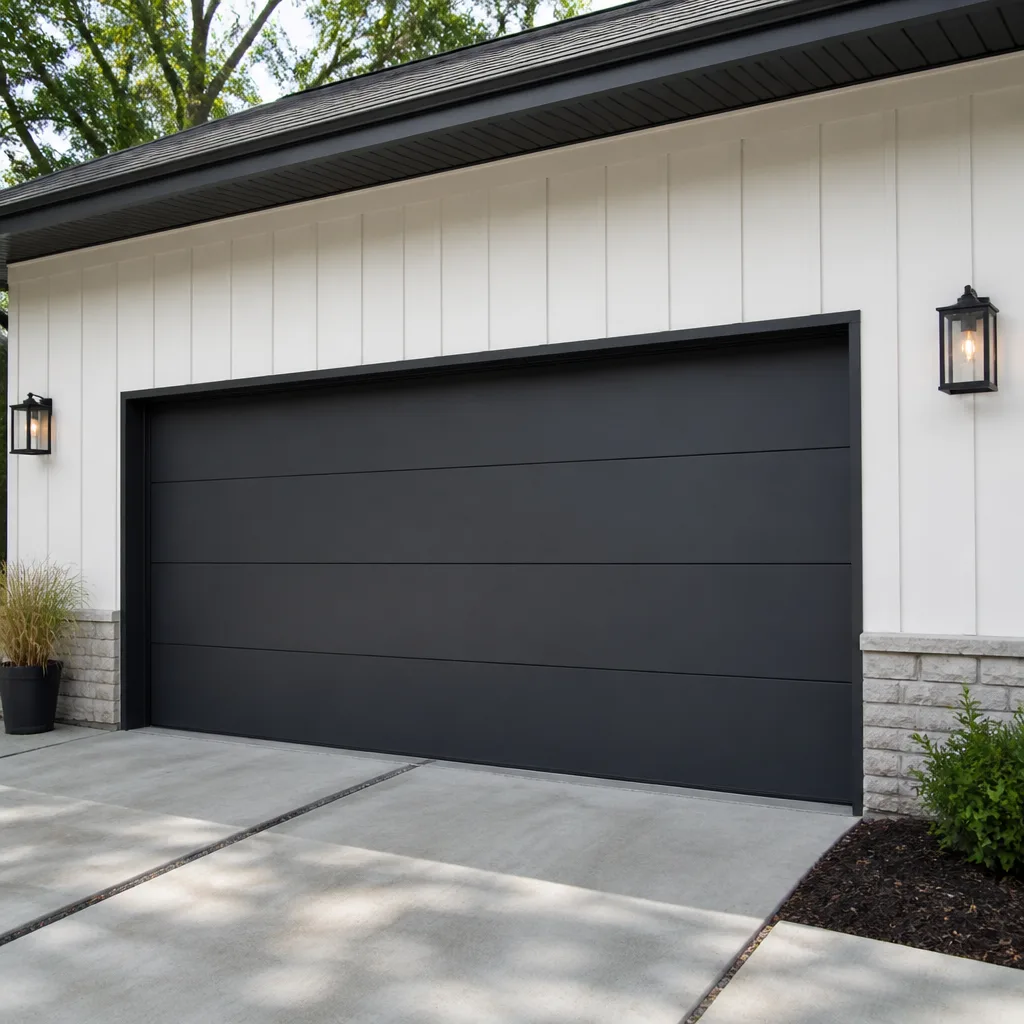 Modern flush
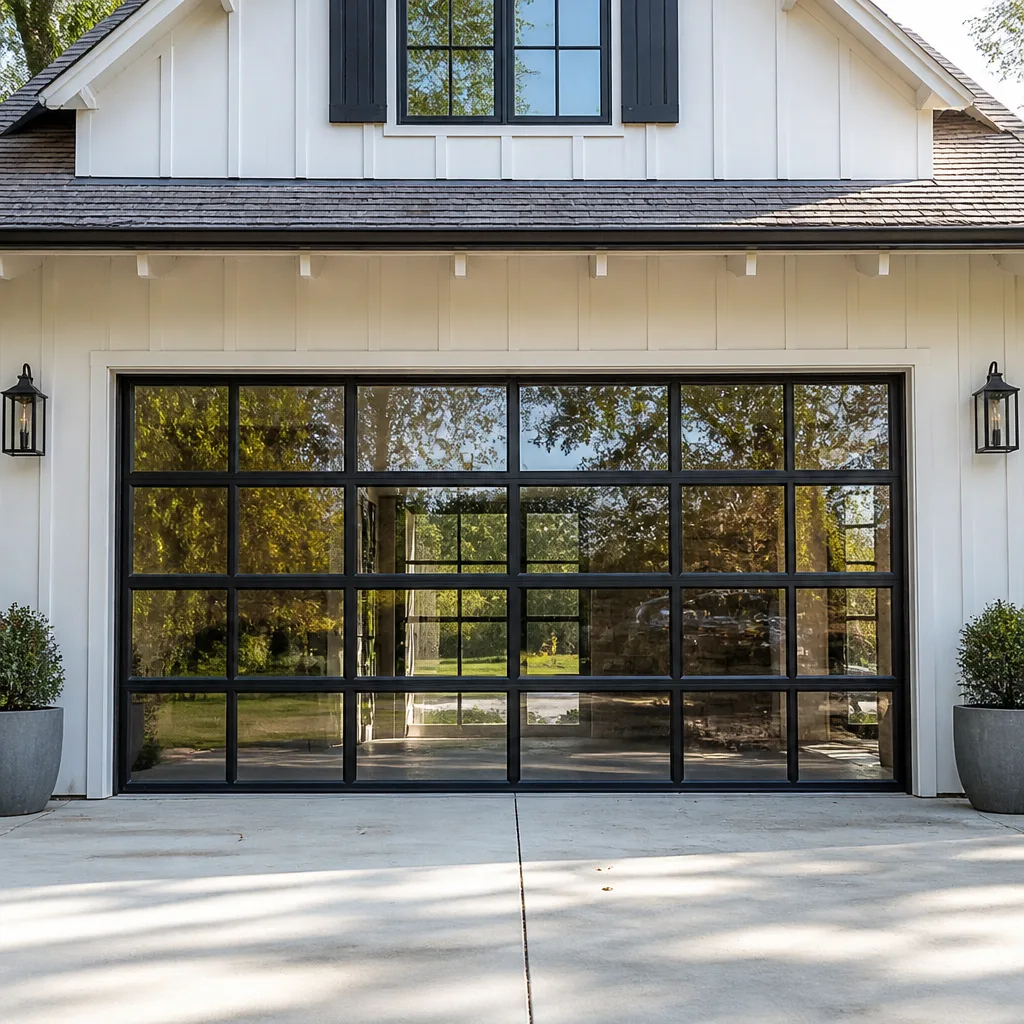 Full-view glass
 LiftMaster openers
 Chamberlain openers
Full 25-point door and opener safety check with every visit - springs, cables, rollers, tracks, and your LiftMaster or Chamberlain opener included
You get a price before we start. It does not change when the pro arrives.
Get your free estimateGarage Door Repair Maintenance Checklist for Park Hill Homeowners
The number-one call we get after a cold snap isn’t a broken spring. It’s an opener that quit because metal components contracted overnight and threw off the travel limits. Catch that with a five-minute check and it’s a zero-dollar adjustment. Miss it and it’s a service call. Most maintenance checklists tell you to “lubricate the springs” and stop there, never explaining what actually fails in Colorado’s dry air and hard temperature swings. This guide is built around the failure modes that show up on real Park Hill service calls, so you’re preventing the specific problems that cause the most downtime and cost.
Quick Answer
A solid garage door maintenance routine for a Park Hill home means checking the door balance and reversing safety monthly, lubricating rollers, hinges, and the opener rail with a silicone-based product quarterly (never grease on the tracks), and having springs, cables, and the opener’s force settings inspected annually by a trained technician. In Colorado’s dry climate, cracked rollers and dried-out hinges are the most common preventable failures, and a cold snap is when they tend to announce themselves.
Styles & brands we work with
- Raised-panel steel
- Carriage house
- Modern flush
- Full-view glass
- LiftMaster openers
- Chamberlain openers
Table of Contents
- Why Park Hill Door Maintenance Looks Different
- The Monthly Check (10 Minutes)
- The Quarterly Service (30 Minutes)
- The Annual Inspection (Call a Pro)
- Which Lubricants Work in Colorado’s Dry Air
- Spring Warning Signs You Can Spot Without Tools
- The Two Adjustments You Can Make Yourself
- Keeping a Maintenance Record That Matters
Why Park Hill Door Maintenance Looks Different
Park Hill homes sit in a stretch of Denver where a lot of the housing stock dates back to the mid-twentieth century. That matters for your door. Older single-car and two-car garages often still carry original wood-frame doors, or steel doors that have been repainted several times, and the hardware bolted to them is frequently older than the person now living there. We work on plenty of Clopay and Amarr doors in this neighborhood that are otherwise solid but have rollers that have gone flat, hinges that squeak through every cycle, and openers running on factory defaults nobody ever adjusted.
The other Park Hill-specific factor is the air. Colorado’s climate is genuinely dry most of the year, and that dryness pulls moisture out of wood, rubber, and nylon. A nylon roller that would last years in a humid climate can crack within a season here. A rubber weather seal along the bottom of the door hardens and stops sealing against the concrete. Hinges dry out faster. And then the temperature swings hit: a warm afternoon followed by a hard freeze overnight shrinks the steel tracks and the door panels by a fraction of an inch, which is enough to make a door that ran smooth in October bind in January.
None of this is dramatic. It’s cumulative. The point of a checklist is to catch the small stuff before it stacks up into the kind of failure that leaves your car stranded inside. If something has already crossed that line, our Garage Door Repair Park Hill page covers the repair side.
The Monthly Check (10 Minutes, No Tools)
Once a month, walk out to the garage with the door closed and do a slow visual pass. This is the check that catches most problems before they become calls. It doesn’t require tools and it doesn’t require getting near the springs.
- Look at the springs above the door. A torsion spring is the horizontal coil on the shaft above the door; extension springs run along the tracks on either side. Check for visible gaps in the coil, rust spots, or a spring that looks stretched compared to the one next to it. Don’t touch them. Just look. You’re building a baseline so you’ll notice change.
- Check the cables. The thin steel cables running along the sides should be taut and straight. A cable that’s started to fray, kink, or hang loose is a stop-and-call item.
- Open and close the door once and listen. A healthy door is quiet. Squeaks, grinding, or a rattle that wasn’t there last month tell you which section needs attention.
- Test the safety reverse. With the door open, place a roll of paper towels or a two-by-four flat on the ground in the door’s path and close it. The door should reverse when it contacts the object. If it doesn’t, stop using the door until the opener is adjusted or repaired.
- Check the photo-eye sensors. These are the two small lenses near the floor on each side of the door. Wipe them with a dry cloth; dust and cobwebs are the single most common cause of a door that won’t close. Then wave an object in front of the beam to confirm the door reverses.
If any of these steps surprises you, that’s your signal. A photo-eye that’s been knocked out of alignment is a two-minute fix. A door that fails the reverse test is not something to put off.
The Quarterly Service (30 Minutes, Basic Tools)
Every three months, do the monthly check plus the lubrication and balance work below. This is the tier where Park Hill’s dry climate starts to matter most, because it’s the moving parts that dry out.
Lubricate the right parts
Use a silicone-based spray lubricant or a purpose-made garage door lubricant. Apply it to the rollers, the hinge pivots, the bearing plates at the ends of the torsion shaft, and the opener’s rail and trolley. Wipe off excess with a rag. Do not lubricate the tracks themselves. Tracks are meant to be clean and dry, and grease in the tracks collects grit, which turns into a grinding paste that wears the rollers faster. This is one of the most common mistakes we see in Park Hill garages: someone greased the tracks thinking they were helping, and the door got louder.
Which Lubricants Work in Colorado’s Dry Air, and Which Don’t
The right lubricant for a garage door in a dry climate is one that stays put without attracting dust. That narrows the field.
- Use silicone spray or a dedicated garage door lubricant. These are formulated for metal-on-metal and nylon-on-metal contact and won’t gum up in cold weather.
- Use white lithium grease sparingly on hinges and bearing plates if you prefer a heavier product. It holds up through temperature swings, but apply it thin and wipe the excess.
- Avoid WD-40 as a long-term lubricant. It’s a solvent and water displacer, not a lasting lubricant, and it will dry out and leave the part unprotected. It’s fine for breaking loose a rusted bolt. It’s not fine as a quarterly treatment.
- Never use cooking oil, motor oil, or general-purpose grease on rollers or hinges. These attract and hold grit, and in a Park Hill garage with a concrete floor and plenty of dust, that grit becomes an abrasive.
- Keep petroleum-based lubricants off the rubber weather seal along the bottom of the door. Petroleum products break down the rubber over time and turn a flexible seal into a hard, cracked strip that no longer seals against the floor. Use a silicone spray or a dedicated rubber conditioner on the seal instead.
One more note: if your door has nylon rollers, a light silicone spray is all they need. Steel rollers with sealed bearings can take a slightly heavier lubricant. If you’re not sure which you have, look at the roller face; nylon is typically white or gray, steel is bare metal.
Spring Warning Signs You Can Spot Without Tools
Springs are the part of the system we get the most calls about, and they’re the part homeowners should never touch. A torsion spring holds hundreds of pounds of stored energy, and a failure under load can cause serious injury. What you can do is watch for the signs that a spring is close to failing, so you can schedule a repair instead of discovering it when the door won’t open.
What to look for
- A visible gap in the torsion coil. If you can see a space between two coils where the spring should be continuous, that spring has failed or is failing.
- A pronounced curve or sag in an extension spring. Extension springs should be straight. A curve means the metal is fatigued.
- Rust streaks or heavy rust along the spring. Rust is a fatigue indicator in springs. It’s especially common in Park Hill garages with an unheated space and a concrete floor that holds moisture.
- A door that feels suddenly heavier when you lift it by hand. With the door closed and disconnected from the opener (pull the release cord), lift it halfway. A properly balanced door stays where you put it. A door that drops or feels heavy is a spring tension problem.
- A loud bang from the garage. If you hear it, don’t force the door. Springs don’t repair themselves and a door with a broken spring should not be operated.
We’ve seen all of these on Park Hill calls, and the pattern is consistent: a spring that shows one warning sign usually has less than a season left. If you spot any of them, call for a spring repair rather than waiting.
The Two Adjustments You Can Make Yourself, and the Three You Can’t
There’s a line between routine maintenance and work that belongs with a trained technician, and it’s worth knowing exactly where that line is.
Safe to do yourself
- Travel limits on the opener. On most LiftMaster, Chamberlain, and Genie openers, there are up and down limit adjustments on the motor unit. If your door stops short of the floor or hits the header, the travel limit is out of adjustment. The opener’s manual walks you through it, and it’s a screwdriver job. This is the adjustment that fixes the “opener quit after the cold snap” problem.
- Force settings. If the door reverses on its own before reaching the floor, or strains to lift, the force setting may be set too low. Again, adjust per the manual, and test the safety reverse afterward. Don’t increase force to compensate for a stiff door; that’s masking a mechanical problem.
Not safe to do yourself
- Spring tension. Adjusting, winding, or replacing a torsion or extension spring requires specific tools and knowledge of the tension stored in the spring. This is the single most dangerous garage door task there is.
- Cable replacement. Cables are under high tension and can snap violently. They’re replaced by a technician.
- Track realignment on a loaded door. Straightening a bent track while the door is under spring tension risks the door coming off the track. Off-track doors get called in.
If you’re dealing with a dead opener rather than a door problem, our garage door opener repair page covers the electronics side, including the connected openers that make up most of what we see in newer Park Hill homes. If the door itself is old enough that repairs are stacking up, our garage door installation page explains when replacement makes more sense than another round of fixes. Same-system, same-visit is the way we like to work: springs, opener, and door panels are all within scope, so you’re not chasing a second company for the next piece.
The Annual Inspection (Book a Technician)
Once a year, have the system checked by someone who works on garage doors for a living. The annual inspection covers everything a homeowner can’t safely check:
- Spring tension measured against the door’s weight, with a recommendation if either spring in a pair has weakened
- Cable condition and drum wear
- Track alignment and roller wear
- Hinge and bearing plate condition
- Opener force settings tested and verified, plus a safety reverse test
- Panel and section integrity, including any rust or seam separation
- Weather seal condition and threshold fit
We work on the 8 major brands most Park Hill doors and openers come from: LiftMaster, Chamberlain, Genie, Clopay, Amarr, Wayne Dalton, Craftsman, and Raynor. That means if your door is a Clopay and your opener is a Chamberlain, one visit covers both. Our technicians have up to 9 years of experience, and parts supply is in-service: if a roller, hinge, or sensor needs replacing, we source it directly rather than telling you to come back once it ships. An annual inspection is also the natural point to catch the small stuff before it becomes a repair call.
How to Test Spring Tension Safely
You can gauge whether your springs are carrying the right load without touching them, and it’s worth doing once a season. Close the door, pull the opener release cord to disconnect the door from the motor, and lift the door by hand to about waist height. Let go.
A balanced door stays where you left it. A door that drifts down on its own means the springs have lost tension; a door that rises on its own means they’re carrying too much. Either way, the door is out of balance and the springs need a professional’s attention. Don’t try to correct the balance yourself, and don’t run the opener with the door disconnected; reconnect the release cord before you use the door again.
The other cue is the door’s feel. A door that requires real effort to lift by hand, or that feels like it “sticks” at one point in the travel, is telling you something is fighting it. That’s often a roller, hinge, or track issue rather than a spring, but the fix still belongs with someone who can look at the whole system.
Keeping a Maintenance Record That Matters
A maintenance log sounds like paperwork for its own sake, but it pays off in two specific situations: an insurance claim and a home sale. When an insurer asks what happened and when, a dated record of inspections and repairs answers the question cleanly. When a buyer’s inspector flags the garage door, a record showing regular service and any part replacements is a much better answer than “I think it was checked once.”
What to log, in a simple notebook or a note on your phone:
- Date of each monthly check, plus anything you noticed
- Date of each quarterly lubrication and balance test
- Date of the annual inspection and what was found
- Every part replaced, with the date and the brand (for example, “Chamberlain opener force setting adjusted, March” or “hinges replaced, Clopay door”)
- The date and description of any repair call
Keep the original opener manual and any warranty paperwork in the same folder. If you sell the Park Hill home, hand the folder to the buyer; a documented maintenance history is one of the easier things to pass along and one of the harder things to recreate after the fact.
What Changes With the Season in Park Hill
A checklist that’s the same in July and January isn’t quite right for this climate. The maintenance calendar shifts with the temperature.
- Fall: This is the time to lubricate everything before the first hard freeze, check the weather seal for cracks, and confirm the safety reverse works. A stiff opener is much more likely to fail its first cold-morning cycle than its hundredth summer cycle.
- Winter: Watch for the opener stopping short or reversing; that’s usually a travel limit that needs a small adjustment as the metal contracts. Don’t force a door that’s frozen to the floor; free it gently first.
- Spring: The thaw is when you’ll notice cracking rollers and dried hinges. Re-lubricate and check the balance.
- Summer: The dry heat is hardest on rubber seals and nylon rollers. Inspect the bottom seal and look for flat spots on the rollers.
Our technicians have up to 9 years of experience with exactly these seasonal patterns, and a maintenance visit at the right point in the year is often the difference between a small adjustment and a repair.
See the difference
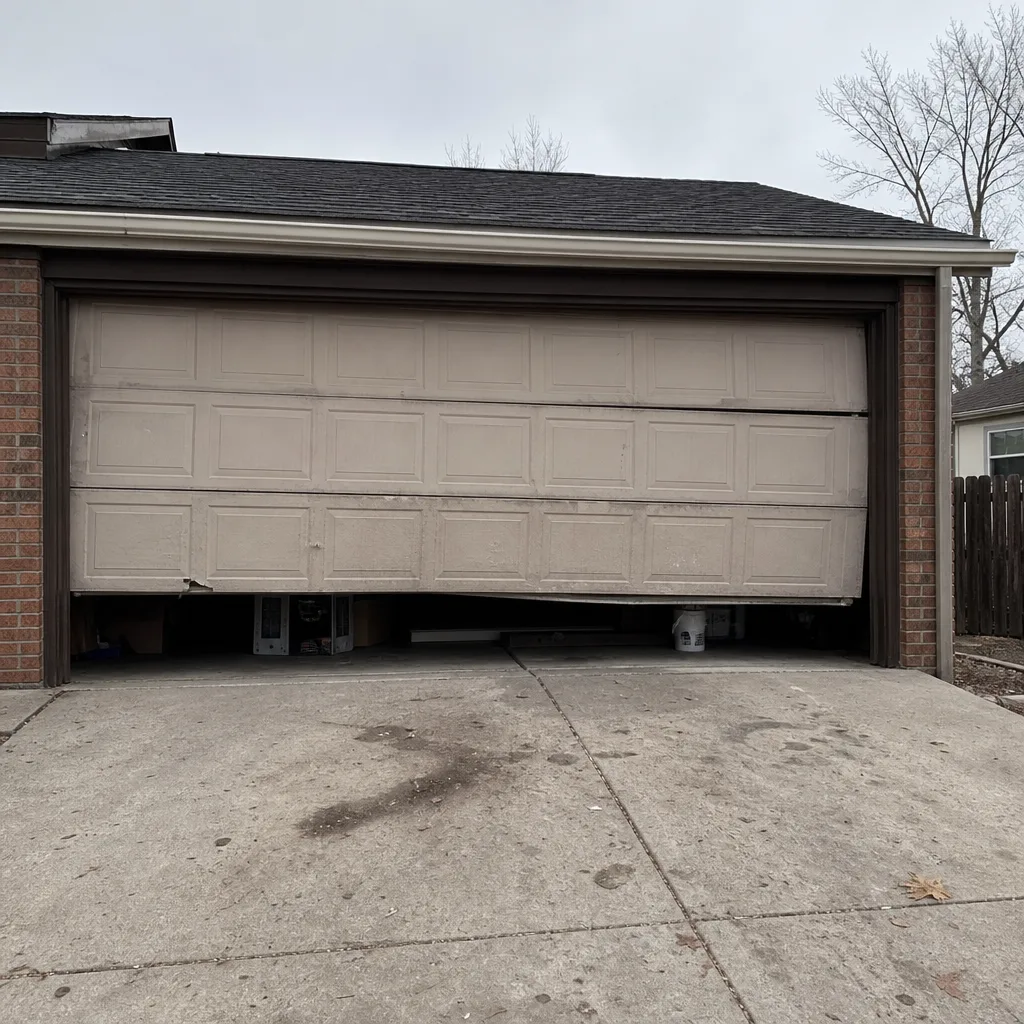 Before
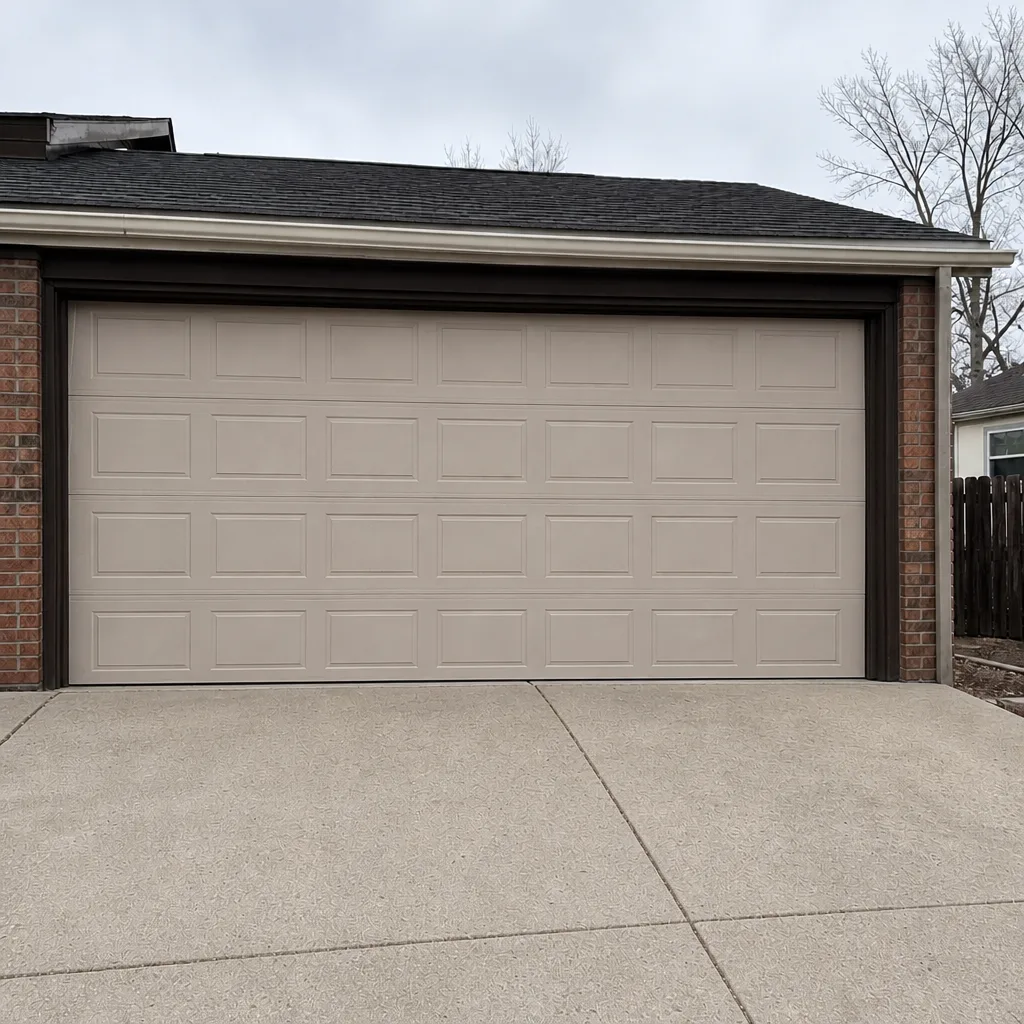 After
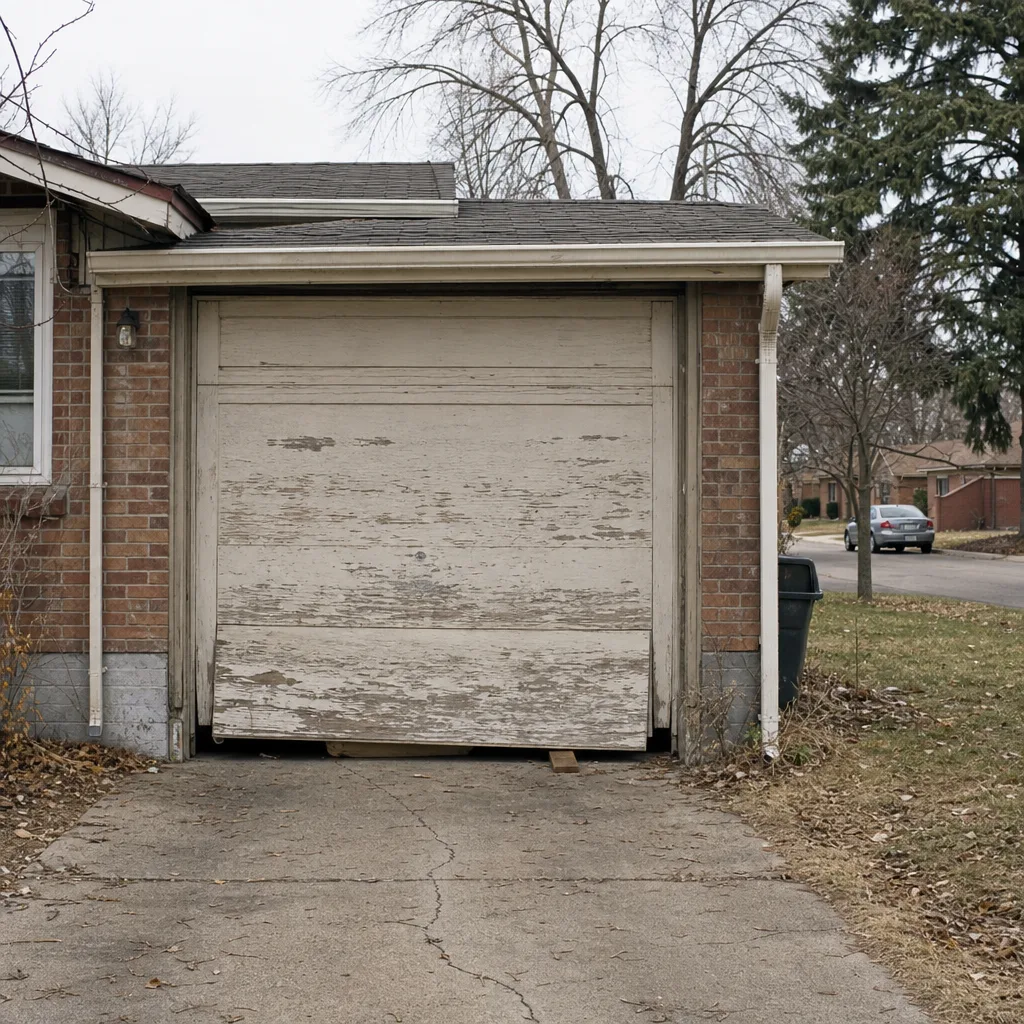 Before
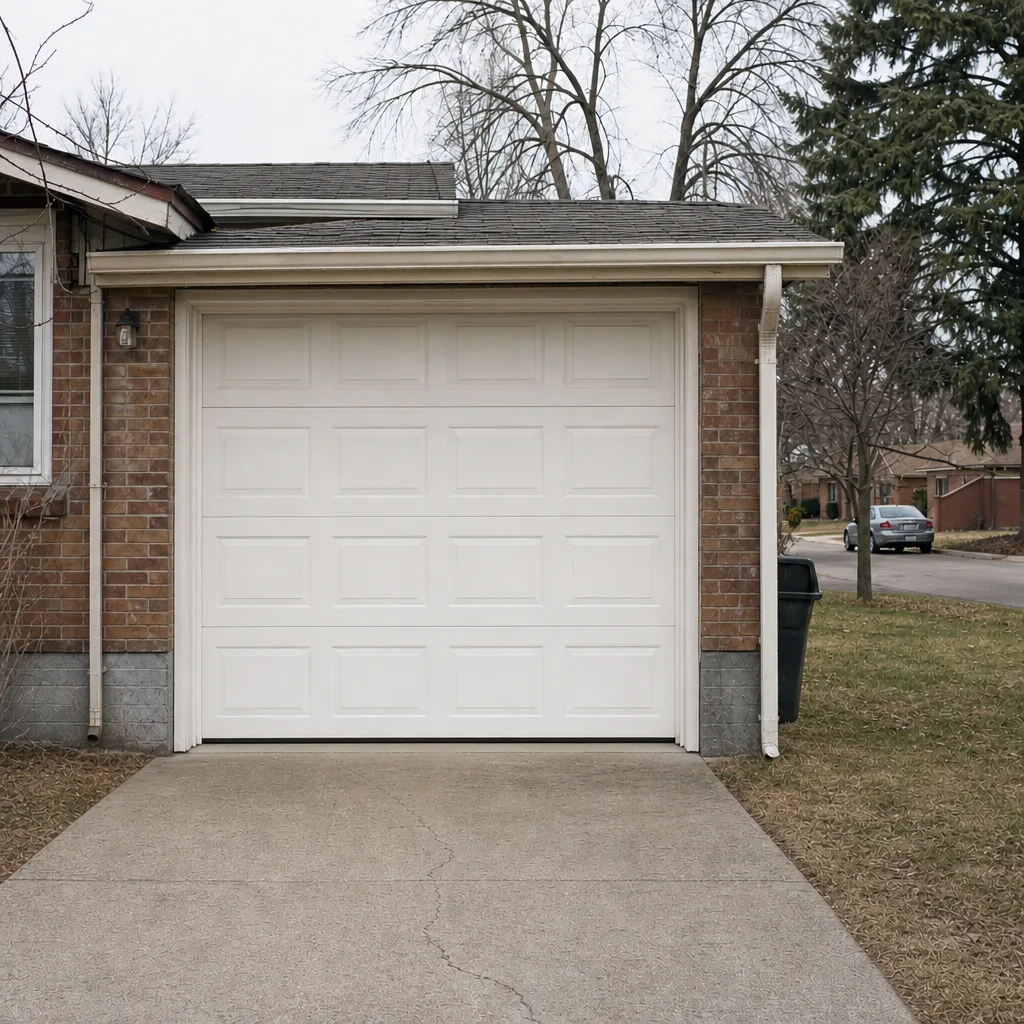 After
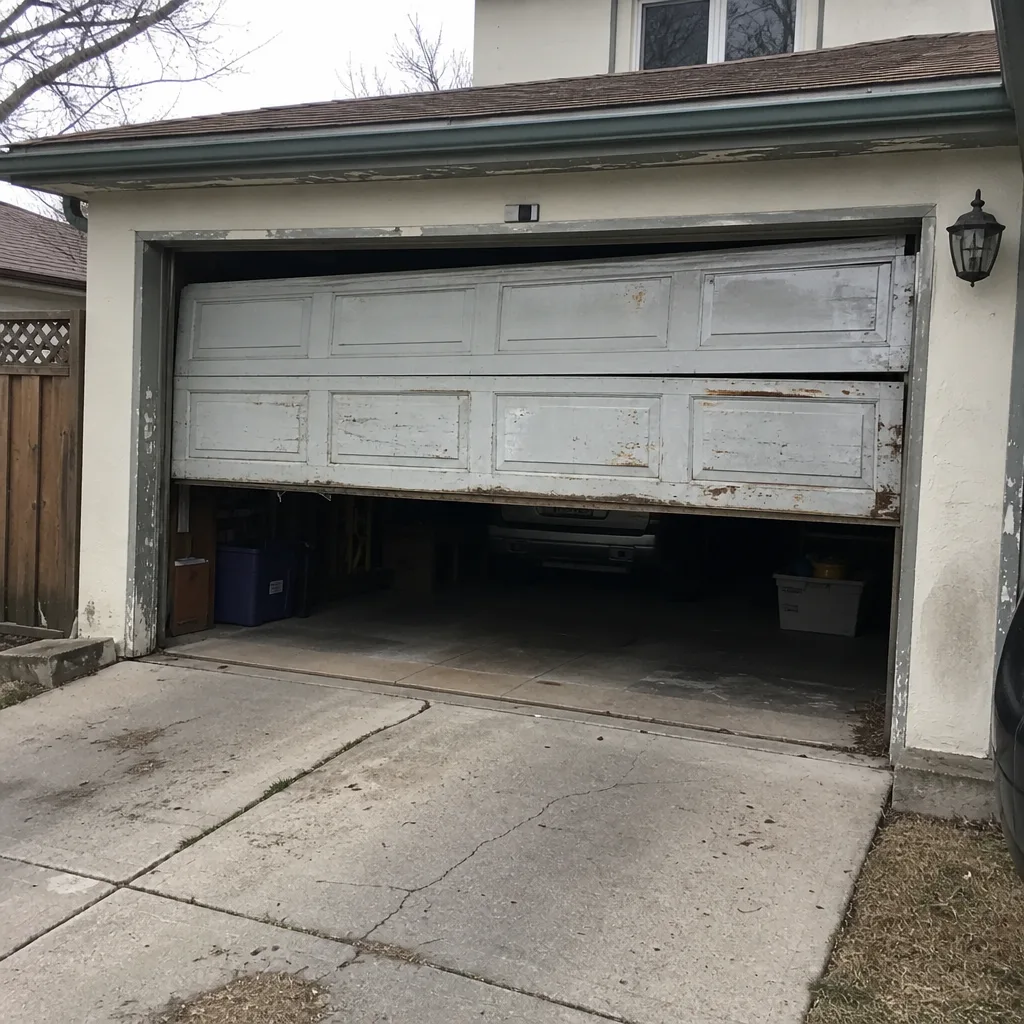 Before
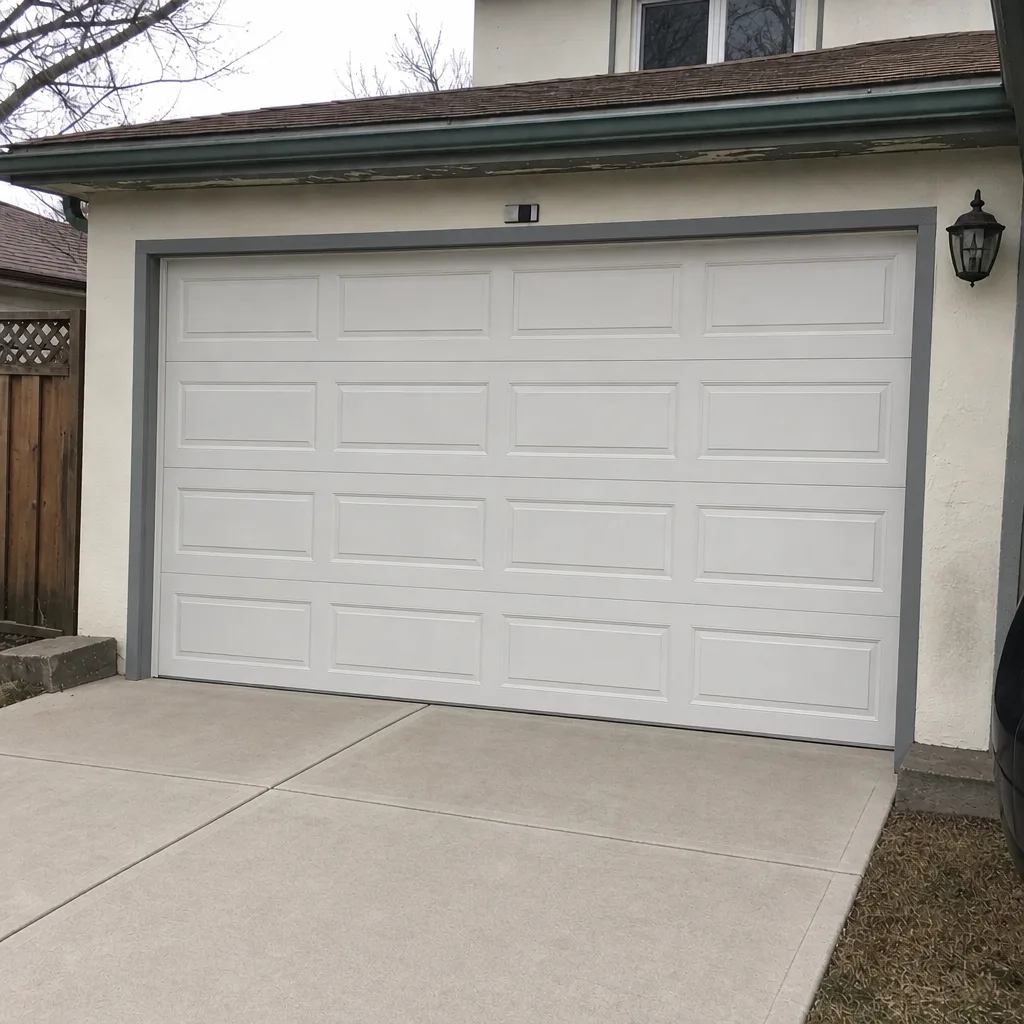 After
Common Mistakes to Avoid
- Greasing the tracks. Track grease collects grit and turns into an abrasive paste that wears rollers faster. Tracks should be clean and dry; lubricant goes on the rollers, hinges, and opener rail.
- Using WD-40 as a quarterly lubricant. It displaces water but doesn’t last, and it leaves moving parts unprotected in a dry climate where they need a film that stays put.
- Increasing the opener’s force setting to fix a stiff door. Force settings are a safety feature, not a workaround. If the door is stiff, there’s a mechanical problem to find; cranking force up masks it and wears the opener.
- Ignoring a single warning sign on a spring. A gap, a curve, or a rust streak is the spring telling you it’s near the end. Springs fail without much warning beyond that, and a door with a failed spring shouldn’t be operated.
- Skipping the safety reverse test because the door “seems fine.” The reverse test is the one check that protects people and pets, and it takes under a minute.
- Petroleum products on rubber seals. They break the rubber down, and the seal stops doing its job against the concrete in a Park Hill winter.
- Not keeping a record. Without dates and part names, an insurance question or a home inspection becomes guesswork.
When to Call a Professional
Call a professional for anything involving springs, cables, or track realignment on a loaded door, and call when the door won’t stay balanced after a hand test. Call if the safety reverse fails and you can’t correct it with the opener’s adjustment procedure. Call if the door has come off track, if a panel is bent or the sections have separated, or if the opener runs but the door doesn’t move. Call if you hear a loud bang from the garage. Also call for an annual inspection if you’d rather have a trained eye go over the whole system once a year. If you’re not sure whether something is a repair or just maintenance, that’s a good reason to call too. Garage Door Repair Park Hill offers free estimates in Park Hill. Call (888) 912-7130. We answer 24/7. Fast dispatch from 7am to 7pm, Sunday through Friday. The price is quoted and agreed before any work starts, so you’ll know the number before anyone touches the door.
For the wider picture of repairs beyond maintenance, our garage door repair page covers the common failure types and how each gets handled.
Frequently Asked Questions
Every three months is the right rhythm for a Park Hill door, and once in late fall before the first freeze is the single most important pass. Colorado’s dry air pulls moisture out of hinges and rollers faster than a humid climate does, so a quarterly silicone-based application on the rollers, hinges, opener rail, and bearing plates keeps the system quiet and prevents the cold-morning failures we see most often. Skip the tracks. Call (888) 912-7130 for an exact quote on a maintenance visit; estimates are free.
The clearest signs are a visible gap in the torsion coil, a curve or sag in an extension spring, rust streaks along the spring, and a door that suddenly feels heavy or drops when you lift it by hand with the opener released. Any one of these means the spring is near the end of its life and should be looked at by a technician. Don’t try to adjust or replace a spring yourself; it holds hundreds of pounds of tension. Call (888) 912-7130 to book a spring inspection; estimates are free.
Yes, on most LiftMaster, Chamberlain, and Genie openers the travel limits are a homeowner adjustment, and the opener’s manual walks you through it with a screwdriver. It’s the fix for a door that stops short or reverses before reaching the floor, which is common after a cold snap in Park Hill when contracting metal throws the settings off. Force settings are also adjustable, but only to correct a door that reverses too easily; never raise force to compensate for a stiff door. If the door still misbehaves after adjustment, call (888) 912-7130 for a free estimate.
A maintenance visit is a scheduled inspection and lubrication of the whole system: springs, cables, rollers, hinges, tracks, opener settings, and weather seal, with a written report of anything that needs attention. A repair call is for something that has already failed, like a broken spring, a dead opener, or an off-track door. Both are priced per job by a written estimate agreed before work starts, and neither carries a surprise at the end. Call (888) 912-7130 to book either; estimates are free.
Spring life depends on cycle count and on how well the rest of the system is balanced, and a door that’s out of balance wears its springs faster. In a dry climate, rust is the other variable: an unheated Park Hill garage with a concrete floor holds enough moisture to rust a spring over time, and rust is a fatigue indicator. Regular lubrication of the moving parts (not the springs themselves, which don’t get lubricated) and an annual balance check are the two things that keep springs in service longer. Call (888) 912-7130 for a free estimate on a spring inspection.
Yes, and that’s common. We work on LiftMaster, Chamberlain, Genie, Clopay, Amarr, Wayne Dalton, Craftsman, and Raynor, so a Clopay door with a Chamberlain opener, or an Amarr door with a Genie opener, is a single visit. Same-system, same-visit means springs, opener, door panels, and parts are all within scope, and we source parts directly so you’re not waiting on a third-party order. Call (888) 912-7130 for a free estimate.
The Bottom Line
A garage door that’s maintained on a real schedule fails less, and when it does fail, it fails in a way you saw coming. The core routine is simple: a ten-minute monthly visual and safety check, a quarterly lubrication and balance test with the right product (silicone or a dedicated door lubricant, never track grease or WD-40), and an annual inspection by a technician for the parts you shouldn’t touch. In Park Hill’s dry air, the small stuff is what matters most: cracking rollers, dried hinges, and a travel limit that needs a nudge after a cold night. Keep a dated record as you go, and hand it to the next owner when you sell. If something on this checklist is already past the point of maintenance, call (888) 912-7130 for a free estimate. We answer 24/7. Fast dispatch from 7am to 7pm, Sunday through Friday.
Written by the team at Garage Door Repair Park Hill.