
Last updated November 21, 2026
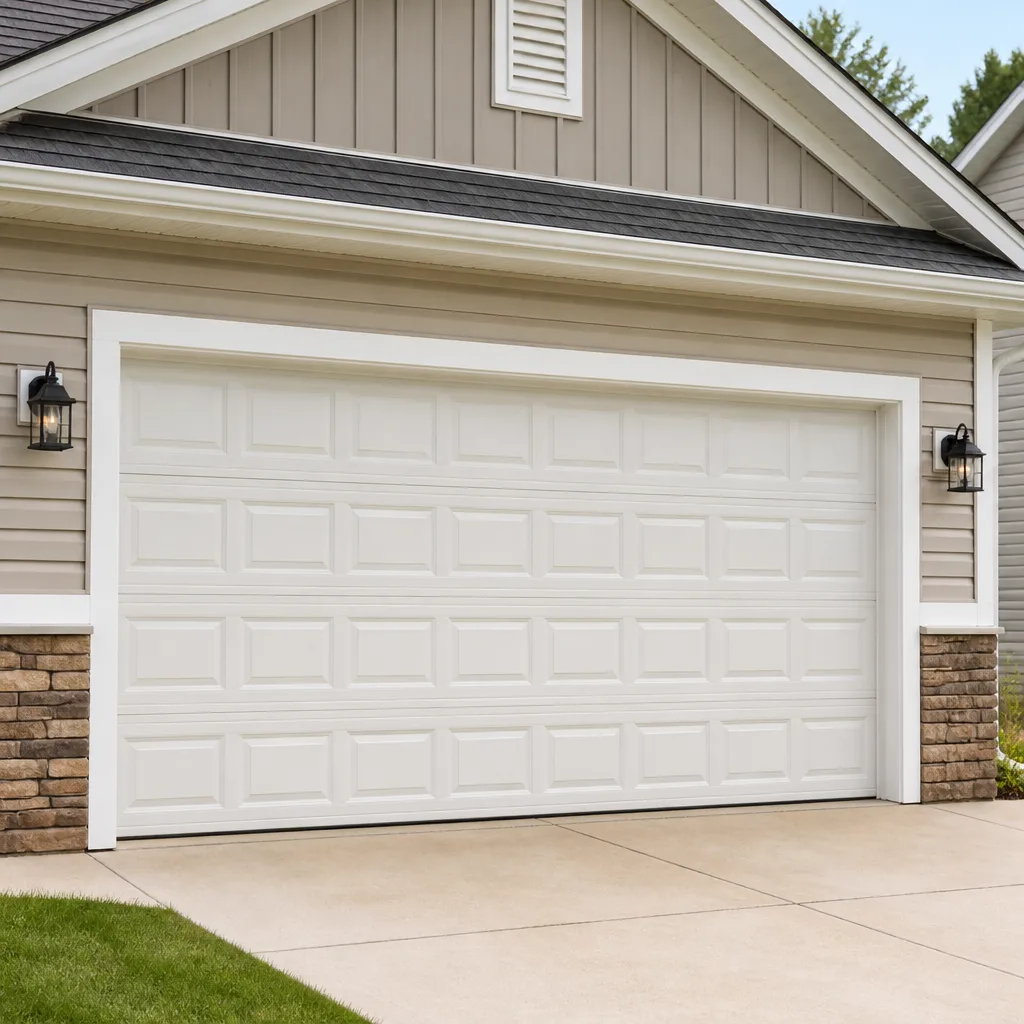 Raised-panel steel
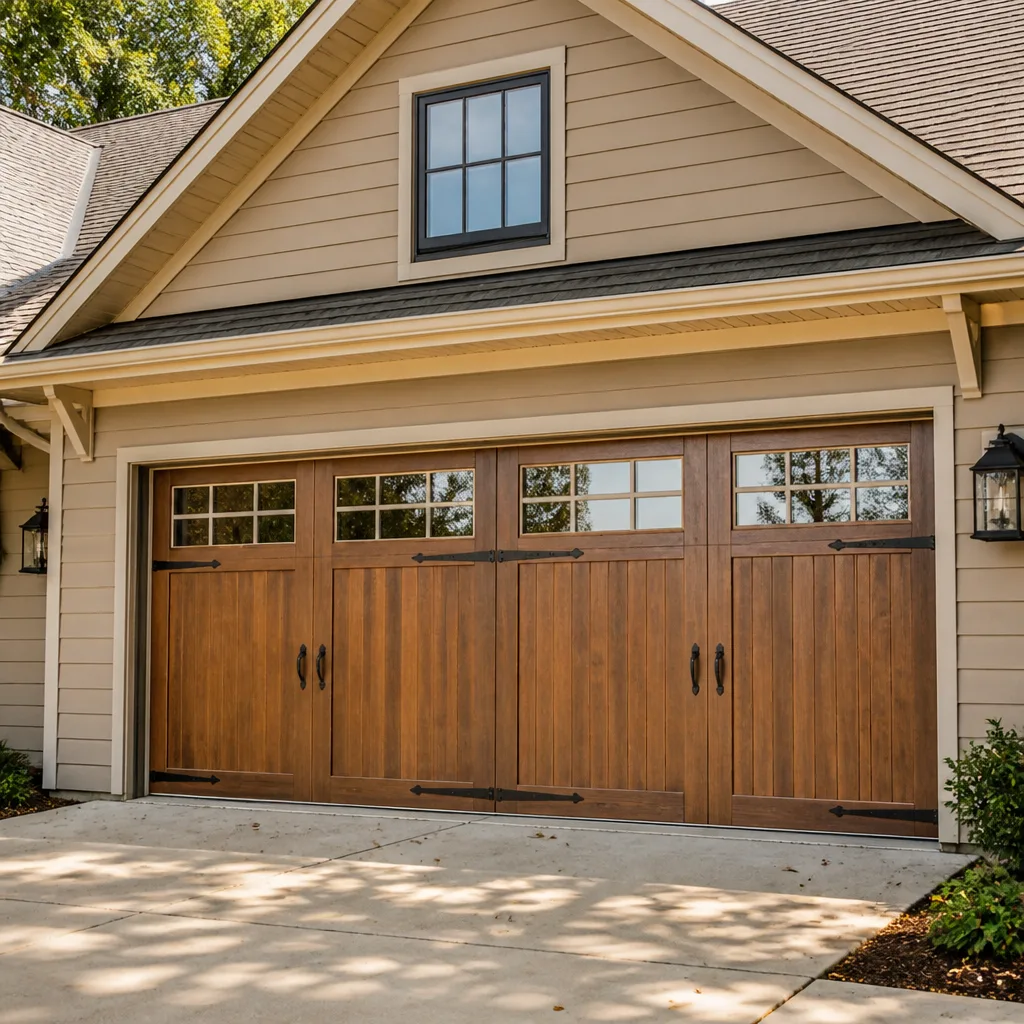 Carriage house
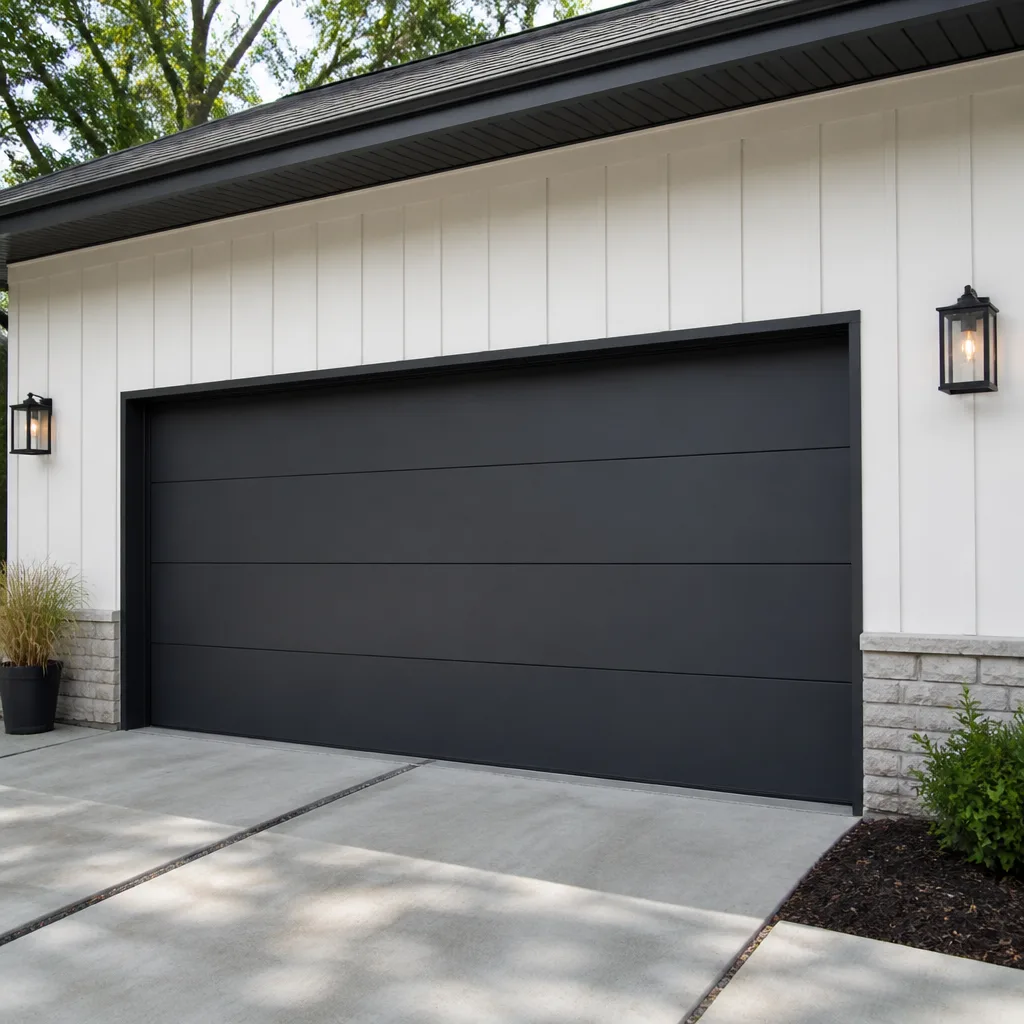 Modern flush
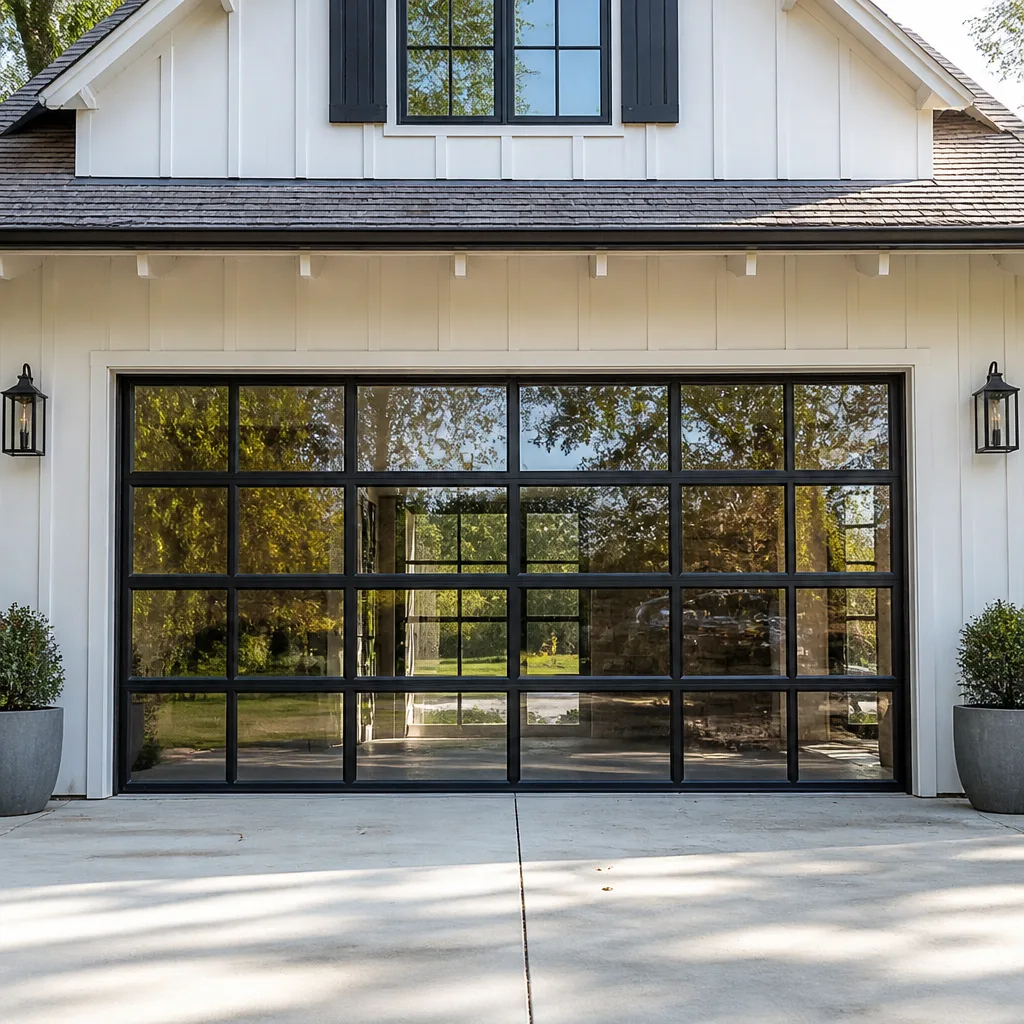 Full-view glass
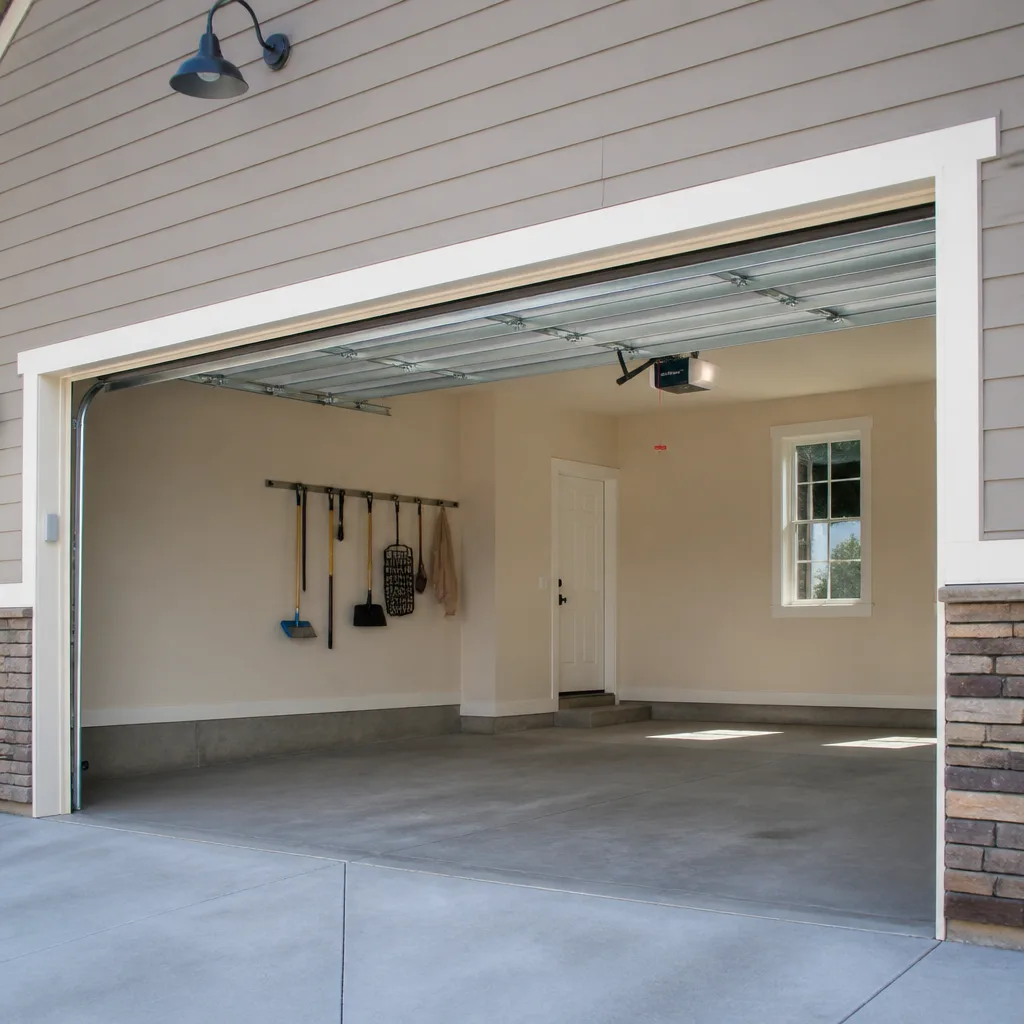 LiftMaster openers
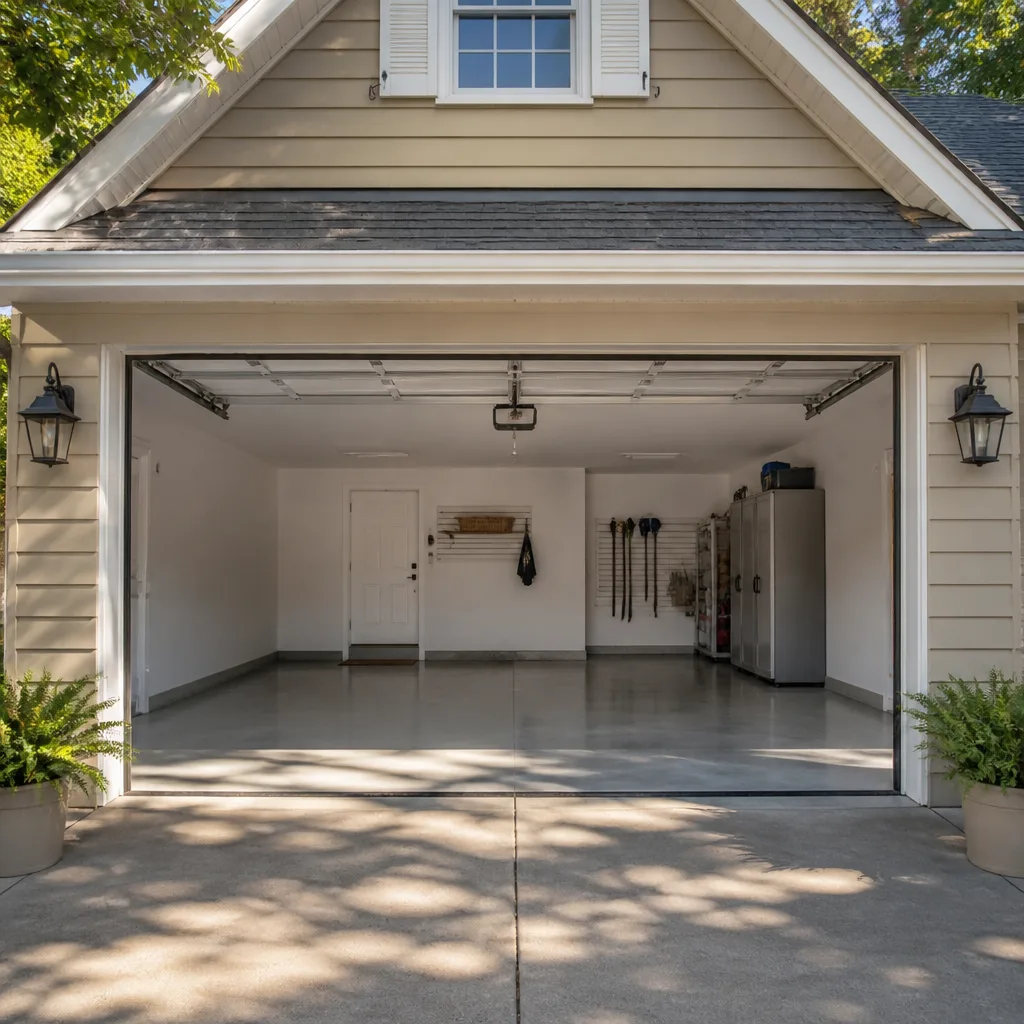 Chamberlain openers
Full 25-point door and opener safety check with every visit - springs, cables, rollers, tracks, and your LiftMaster or Chamberlain opener included
You get a price before we start. It does not change when the pro arrives.
Get your free estimateSeasonal Garage Door Care for Park Hill: Year-Round Homeowner’s Guide
Denver averages around 300 sunny days a year, which is great for hiking and hard on garage door weatherstripping. Most Park Hill homeowners picture UV damage as a beach problem, yet the sun here is strong enough at altitude to crack a bottom seal and bake a vinyl panel long before the door feels old. Add freeze-thaw cycles, spring wind gusts off the plains, and summer hail, and your door is working through four different kinds of stress in a single year. This guide walks you through what each season is actually doing to your door and what to check so small wear doesn’t turn into a snapped spring or a door that won’t close. If you’d rather skip ahead to scheduling help, you can Garage Door Repair Park Hill.
Quick Answer
Park Hill garage doors need a seasonal check because Denver’s climate stresses the same mechanical system four different ways: spring and fall freeze-thaw loosens hardware and shifts the concrete at the floor, summer UV and heat expand steel panels and dry out seals, and winter cold contracts metal and can freeze a bottom seal to the floor. The single most useful habit is a short inspection at each season change, starting with the floor seal and track rather than the opener. When something looks worn or the door stops moving smoothly, that’s the point to call a technician instead of waiting for a failure.
Styles & brands we work with
- Raised-panel steel
- Carriage house
- Modern flush
- Full-view glass
- LiftMaster openers
- Chamberlain openers
Table of Contents
- Why Park Hill’s Climate Is Hard on Garage Doors
- Spring: Freeze-Thaw, Concrete Edges, and the First Check After Winter
- Summer: UV, Vinyl Panels, and Heat Expansion in the Track
- Fall: The Pre-Winter Prep Sequence
- Winter: A Frozen Bottom Seal and When to Run the Opener
- Park Hill Weather Events That Warrant an Inspection
- Matching Parts and Brands: Craftsman, Raynor, and Smart Openers
- Common Mistakes to Avoid
- When to Call a Professional
- Frequently Asked Questions
Why Park Hill’s Climate Is Hard on Garage Doors
A lot of seasonal advice gets written for a mild coastal climate and doesn’t fit here. Park Hill sits in a high-desert valley where the air is dry, the sun is intense, and the temperature can swing hard within a single day. Those swings matter because a garage door is a big moving assembly of steel, springs, rubber and rollers, and each material responds to heat and cold at a different rate. What looks like a gentle climate on paper is really a rotation of distinct stresses across the year.
Here’s what that means in practice:
- High altitude sun hits vinyl and composite surfaces with more UV than lower elevations, so seals and panels weather faster than a homeowner expects.
- Dry air and temperature swings expand and contract steel panels and the track, which can make a door that closes cleanly in June bind slightly in August or February.
- Freeze-thaw at the floor works on the concrete edge and the bottom seal, not the opener, so the wear hides where most people don’t look.
- Wind off the plains pushes a closed door against its hardware, and the gusts can rattle loose brackets and hinges over time.
Understanding this cycle is the core reason we wrote this guide for Park Hill specifically. The goal isn’t to turn you into a garage door technician; it’s to help you spot the seasonal wear early, so a repair stays small and a door doesn’t lock your car inside at the worst moment. Our technicians have up to 9 years of experience reading exactly these patterns.
The rest of this guide is organized by season, so you can jump to whatever the calendar is doing to your door right now. Each section explains what the season does, what to check, and when to stop and call instead of adjusting further.
Spring: Freeze-Thaw, Concrete Edges, and the First Check After Winter
Spring’s first job after winter is the floor, not the opener. Weeks of overnight freezing and daytime thawing push moisture under the concrete apron and loosen the seal where the door meets the ground, so the first thing to check each spring is the bottom seal and the condition of the concrete edge it rests on. If you see daylight under a closed door, that’s the cue to look closer before the opener gets blamed.
Here’s the spring inspection we recommend, done in this order:
- Lower the door and look along the bottom for gaps, light, or a seal that’s cracked, brittle, or dragging.
- Check the concrete apron at the threshold for chips or cracks, since a rough edge chews through a new seal quickly.
- Run the door by hand (if it’s safe to do so) and listen for grinding or a rhythmic scrape that wasn’t there in fall.
- Look at the rollers and hinges for rust or wobble, since the wet spring ground keeps the lower hardware damp.
- Test the opener’s auto-reverse by placing a small object in the path and confirming the door reverses.
Don’t adjust the springs or the cables yourself. Those store enormous energy, and a torsion or extension spring under load can cause serious injury if handled the wrong way. Spring work is one of the most hazardous parts of this trade, which is why we handle it in-house rather than at arm’s length. If the door feels heavy, jerky, or won’t stay up on its own, that’s a spring or balance issue and a job for a trained technician.
A quick spring check in Park Hill after the last freeze is also the best time to catch an off-track panel before it becomes a bigger repair. If something clearly isn’t right, a professional can garage door repair before the problem spreads to the opener and springs.
Summer: UV, Vinyl Panels, and Heat Expansion in the Track
Summer is when UV degradation shows up and steel panels expand enough to bind. At the peak of a hot afternoon, a steel door can swell slightly in its frame and the rollers can feel tight in the track, especially on a door that already has a little wear. This isn’t a door “breaking”; it’s normal heat expansion, and the goal is to notice when it’s worse than normal so you’re not forcing a jammed door and bending a panel.
What to watch for in summer:
- Vinyl and composite panels can fade, chalk, or crack at the edges as the sun beats on the south- and west-facing side of the door.
- Bottom seals dry out and crack faster here than in cloudier climates, which is why a Park Hill seal often looks older than the door it’s attached to.
- Track clearance can tighten on the hottest days, so a door that rubs or squeaks only in July afternoons is usually an expansion issue.
- Opener strain rises as the door binds, so a sluggish opener in summer may really be a door-alignment problem.
A simple summer inspection means running the door up and down at a few times of day, listening for new noise, and looking at the seal for cracking. Lubricate the rollers and hinges with a garage-door lubricant made for that hardware (not a general household spray), and leave the spring and cable systems alone. If the door is a Clopay or another brand, matching the seal and hardware to the panel is easier than forcing a generic part, and that fits our whole approach: we work on the brand you already own.
Heat-related binding is also the season when a lot of year-round opener faults surface, because the opener is doing more work against a tight track. If your LiftMaster or Chamberlain opener is laboring through the summer, it’s worth a proper look with a specialist who can handle garage door opener repair and confirm whether the opener or the door is the real source.
Fall: The Pre-Winter Prep Sequence
Fall prep is what prevents the most common cold-weather failure, which is loose hardware tightening up in the cold and throwing the door out of alignment. As temperatures drop, steel contracts and fasteners that were snug in summer can work slightly loose, and a bracket or hinge that shifted can leave the door dragging by January. The fix is to tighten and check now, before the first hard freeze, when adjustments are still easy.
Here’s the fall sequence we’d run before winter:
- Check every hinge, bracket, and roller bracket for looseness and tighten with the correct tool, not by feel alone.
- Inspect the bottom seal again for cracks and replace it before it hardens and freezes to the floor in cold weather.
- Look at the track for debris, leaves, and grit, and wipe it clean so ice has less to grab onto.
- Test the opener’s safety reverse and the manual release to confirm both work before you need them.
- Clear the area around the door track in the garage so nothing freezes or jams against the door.
Tightening hardware sounds small, but it’s the difference between a smooth winter door and one that jumps the track after the first cold snap. Don’t over-torque bolts, since stripping a hinge or bracket creates a new problem. If you’re not sure a bracket is seated correctly, leave it and let a technician check it, because a mis-aligned bracket can put stress on the track and panel.
Fall in Park Hill is also the best window to book any bigger work you’ve been putting off, like a panel replacement or a new door, since coordinated work takes time to measure and order. Fall prep for a replacement door follows the same logic, and you can plan ahead with garage door installation before the cold arrives.
Winter: A Frozen Bottom Seal and When to Run the Opener
If the bottom seal is frozen to the floor, don’t keep hitting the opener to break it loose. Forcing a frozen door strains the opener, the springs, and the panels, and can snap a component that would have been fine. The safe habit is to look first, free the seal gently and by hand where you can reach it, and only run the opener once the seal has let go from the concrete.
Here’s a safe winter routine:
- Inspect before you press the button. If the seal looks stuck to the floor or there’s ice at the threshold, free it manually instead of relying on the opener.
- Break the ice gently. Never chip at the seal with a metal tool, which can tear the weatherstrip or gouge the concrete; a gentle manual pull is safer than force.
- Keep the track clear. Snow, ice, or grit in the track is a common cause of a door that grinds or stalls in cold weather.
- Let the door move slowly. Cold metal and stiff seals take longer to move, and rushing the cycle can put strain on the opener.
Winter is also when the cold stress on springs and cables is highest, and that’s a system to keep out of the DIY column. A spring that is near the end of its life can fail in cold weather, and a snapped spring on a cold morning is one of the calls we handle as garage door spring repair specialists, which is a big part of why we keep spring work in-house.
If a door does fail in Park Hill in the cold, the caller’s main concern is usually getting the car out. We answer 24/7 and offer fast dispatch from 7am to 7pm, Sunday through Friday, so a morning breakdown can be scheduled for the same day where the work allows.
Park Hill Weather Events That Warrant an Inspection
Some damage starts even when the door still opens, and the local weather is the best reason to schedule a check. A hail event, a strong wind gust off the plains, or a particularly hard freeze can dent a panel, loosen a bracket, or bend a track without stopping the door, which is exactly why an inspection matters even when nothing looks wrong. In our experience, the damage you catch before it spreads is the cheapest kind to fix.
Here’s when to book an inspection in Park Hill even if the door seems fine:
- After a hail event. Check the panels for dents and dimples, and the seals for fresh cracks, especially on older vinyl.
- After a high wind gust. Look for a bent track, a loose bracket, or a panel that shifted in its hinge, since wind stress often shows up at the edges.
- After a deep freeze or an ice storm. Check the bottom seal, the concrete apron, and any ice in the track before running the door.
- After a long stretch of hot, dry weather. Vinyl and composite panels can bake and crack during a dry summer, so a fall look is worth it.
The practical rule is simple: run your hands over the panels, check the seal for cracks, look at the track for bends, and listen to the door cycle. If any of that feels off or you can’t tell, a professional can look at the whole system in one visit. We handle LiftMaster, Chamberlain, Genie, Clopay, Amarr, Wayne Dalton, Craftsman, and Raynor equipment, so the inspection is specific to your door and opener rather than a guess, and a same-visit look at the whole system means fewer return trips.
Matching Parts and Brands: Craftsman, Raynor, and Smart Openers
One of the most common delays in seasonal repair is waiting on the right part, and matching the part to the brand cuts that delay. A Craftsman opener and a newer LiftMaster or Chamberlain system have different electronics and accessories, and a Clopay or Raynor door panel needs hardware that fits the panel profile, not a generic substitute. Knowing the brand and model is the first step to a fast fix.
What that means for a Park Hill homeowner:
- Smart and connected openers like LiftMaster and Chamberlain need a technician comfortable with app and Wi-Fi systems, not just older manual units.
- Parts matching means the seal, rollers, and hinges fit your specific door instead of being forced to fit.
- Full-system coverage means the door, opener, springs, and hardware are all in scope, so a seasonal repair doesn’t stop at one piece.
- Brand coverage across eight major brands reduces the chance you’re told “we can’t service that.”
We keep parts on hand so repairs aren’t stalled waiting on a third-party shipment, and when a door is due for replacement, the same visit can scope the new door rather than sending you to a second company. If your opener is the smart, app-connected type and it’s acting up, an opener specialist can confirm whether it’s the electronics or the door, and if your seasonal check turns up a bigger issue, our team can help with garage door repair and set the repair to your brand.
If a repair is no longer worth it, that’s the point to look at a replacement rather than another patch. Our team handles new doors too, so a homeowner who’s grown out of repairs doesn’t need to switch providers, and the same crew that inspects the door can quote a replacement.
Common Mistakes to Avoid
- Blaming the opener first. A door that won’t open in winter is more often a frozen seal or a binding track than a dead opener, so check the door before the electronics.
- Forcing a frozen door with the opener. Pressing the button repeatedly on a stuck seal strains the opener and springs instead of freeing the door, and can cause a bigger repair.
- Adjusting springs or cables yourself. These carry high tension and can cause serious injury; the safe move is to call a technician who has the right tools and training.
- Using a general household spray on the rollers. A garage-door lubricant is designed for the hardware, while the wrong product attracts dust or damages the parts.
- Ignoring daylight under the door. A gap means the seal or the concrete edge has worn, and a small seal replacement now prevents a bigger one after winter.
- Skipping the fall hardware check. Loose brackets and hinges tighten up in the cold and throw the door out of alignment, which is easier to prevent than to fix.
- Waiting for a failure instead of a seasonal check. A door that still opens can still have a bent track or a cracked panel, and that damage spreads faster the longer it’s left.
When to Call a Professional
Call a professional when the door won’t stay up on its own, when it’s jerky or heavy to lift, when the spring looks stretched or broken, or when the opener reverses for no reason. Springs, cables, and opener electronics are the parts where doing it yourself can cause serious injury, and the seasonal wear that caused the problem is often more than it first looks. If you’ve done the seasonal check and something still feels off, stop adjusting and let a trained technician look at it. Garage Door Repair Park Hill offers free estimates in Park Hill; call (888) 912-7130. We answer 24/7 and offer fast dispatch from 7am to 7pm, Sunday through Friday, with the price quoted and agreed before any work starts.
Frequently Asked Questions
Check it at each of the four season changes and after any hail, high-wind, or hard-freeze event, even if the door still opens. The seasonal cycle here stresses a door in different ways across the year, so a quick check at each turn catches wear before it becomes a repair. Call (888) 912-7130 for an exact quote if something looks off; estimates are free.
Summer heat expands steel panels and can tighten the clearance in the track, so a door that was fine in spring can rub on the hottest afternoons. That’s usually normal expansion, but if it’s consistent or the opener is straining, a technician should check the alignment and track. Call (888) 912-7130 to book a check.
Yes, free it gently by hand before running the opener, and never chip at the seal with a metal tool, which can tear the weatherstrip. Once the seal has let go, run the door as normal and see if it moves smoothly. If the seal is cracked or the door still stalls, call (888) 912-7130 for a look.
Yes. High-altitude sun here degrades vinyl and composite panels and dries out bottom seals faster than in cloudier climates, which is why a Park Hill seal often cracks before the door looks old. If you can see cracking or daylight under the door, replace the seal. Call (888) 912-7130 for a quote on a seal and check.
No. Torsion and extension springs hold enormous tension and can cause serious injury, and cold weather makes them more likely to fail. Leave spring work to a trained technician; our team handles spring repair in-house. Call (888) 912-7130 for a free estimate.
No, the price is set by the written estimate and quoted and agreed before any work starts, so the number you approve is what you pay for that job. If a seasonal check turns up something unexpected, we go over the change before doing any additional work. Call (888) 912-7130 for an exact quote; estimates are free.
The Bottom Line
Park Hill’s climate gives a garage door four distinct kinds of stress in one year: spring freeze-thaw at the floor, summer UV and heat expansion, fall hardware shifts, and winter cold that freezes seals and stresses springs. The homeowners who avoid the big winter breakdown are the ones who run a short check at each season change, starting with the seal and track rather than the opener. When something looks worn, or the springs and opener are involved, that’s the point to call a technician. If you’d like a seasonal check or a repair, our technicians have up to 9 years of experience with LiftMaster, Chamberlain, Genie, Clopay, Amarr, Wayne Dalton, Craftsman, and Raynor equipment, and we handle the whole system in one company. For a free estimate in Park Hill, call (888) 912-7130. We answer 24/7 and offer fast dispatch from 7am to 7pm, Sunday through Friday. A written estimate is agreed before any work starts, so you’ll know the price before the door moves.
Written by the team at Garage Door Repair Park Hill.
See the difference
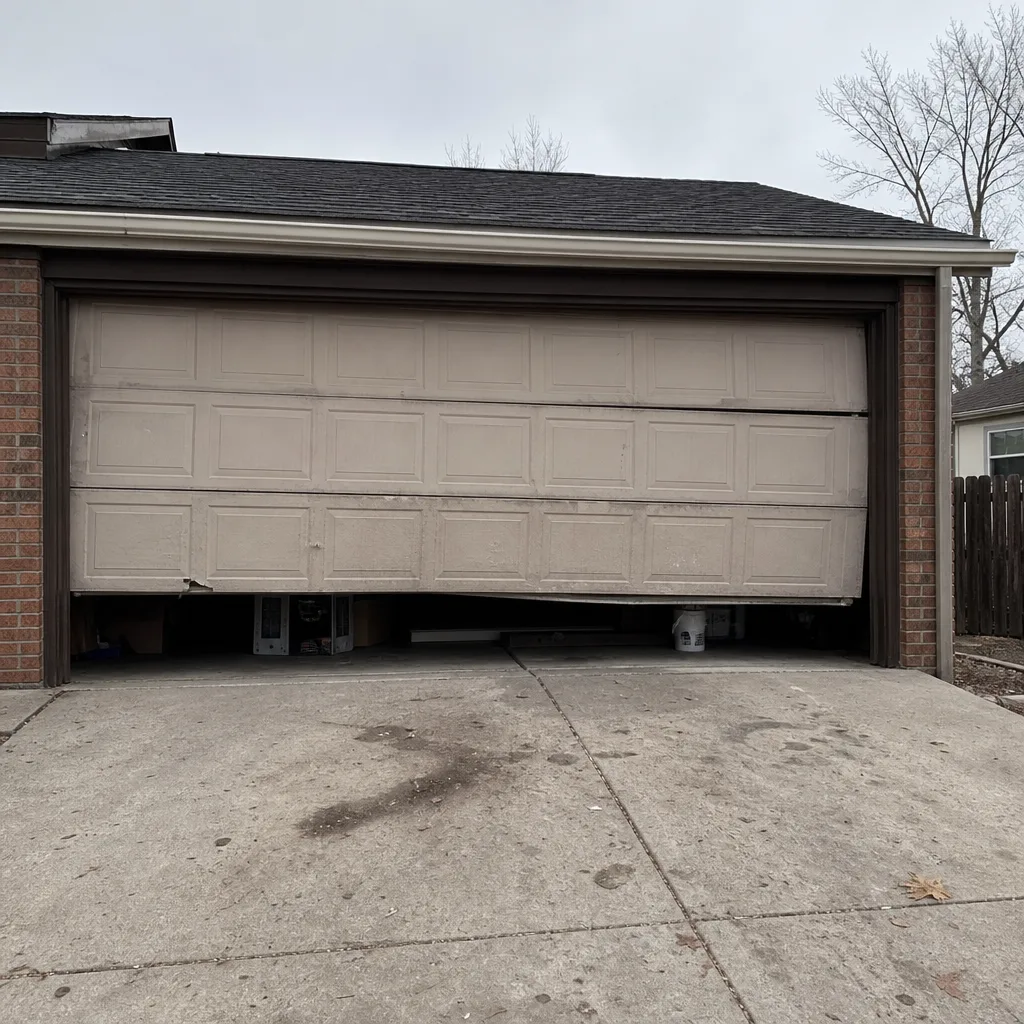 Before
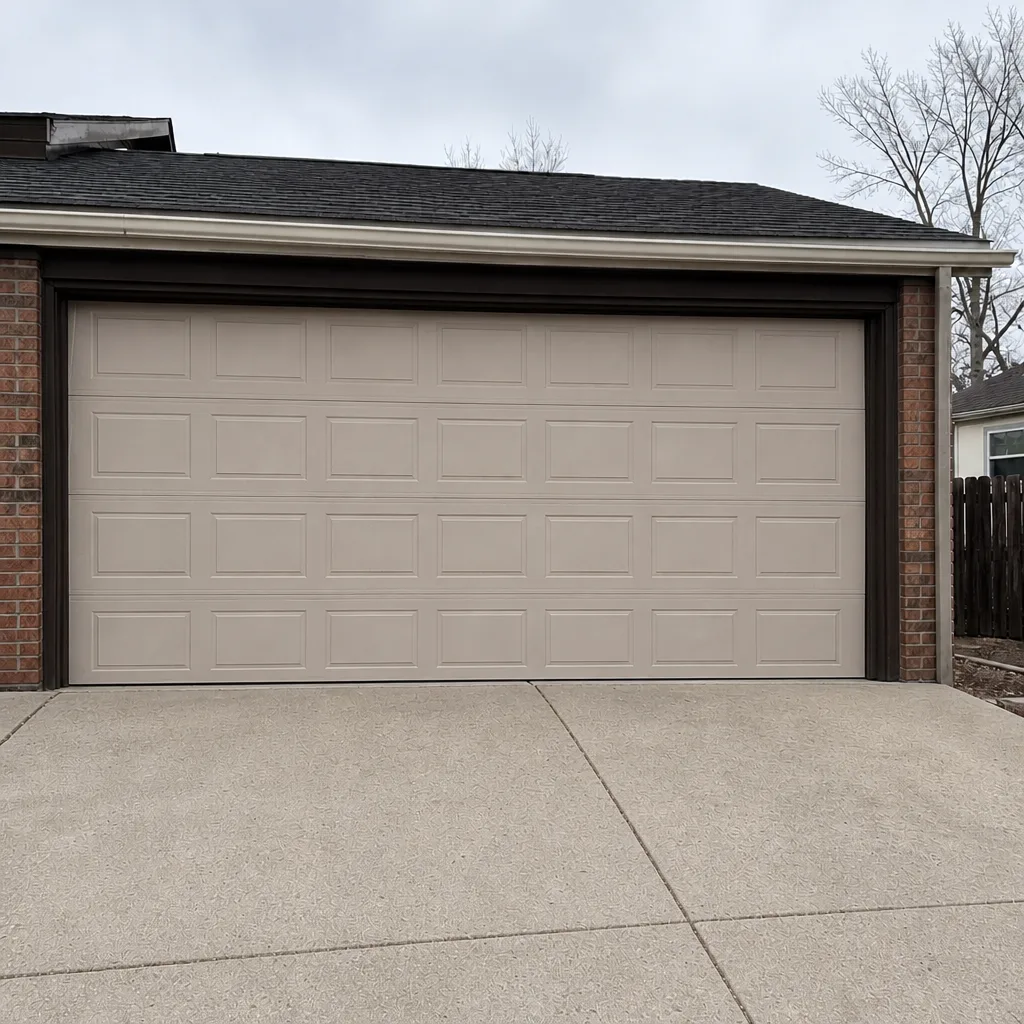 After
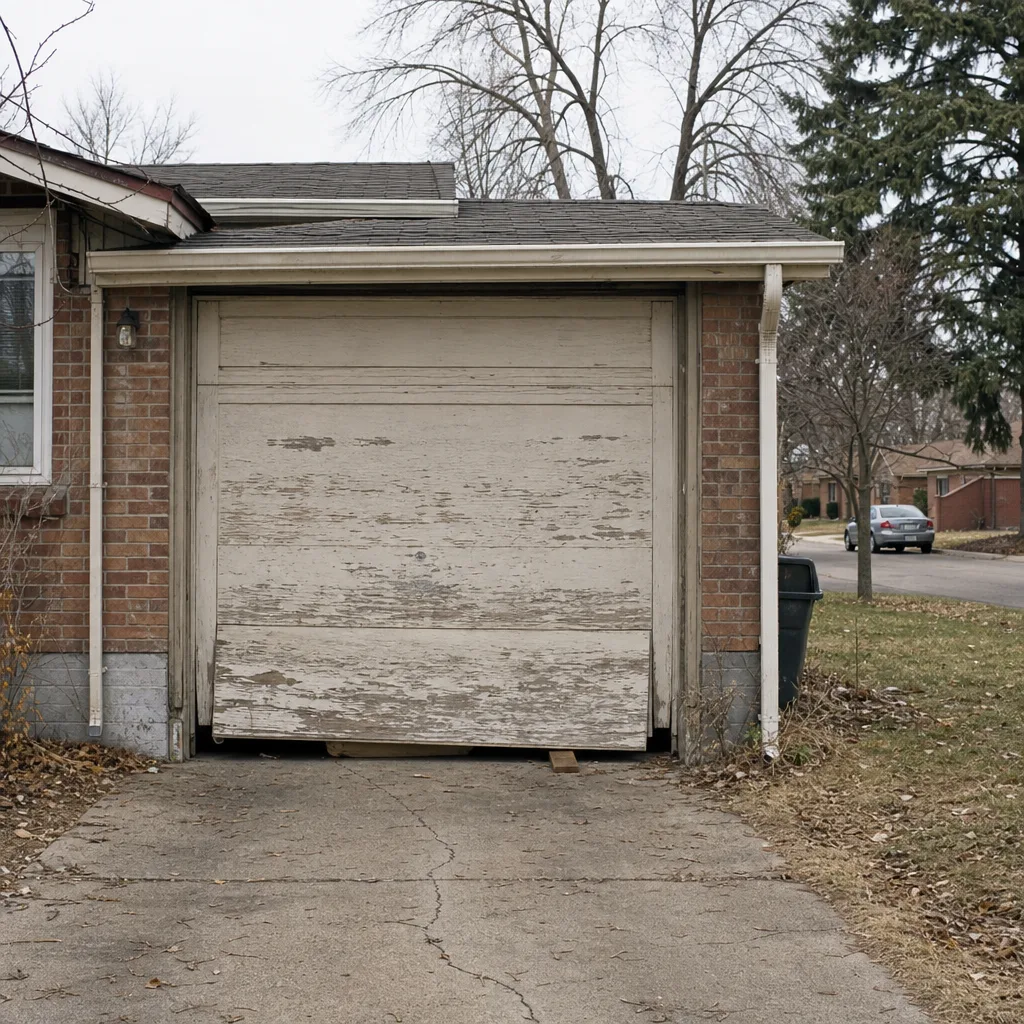 Before
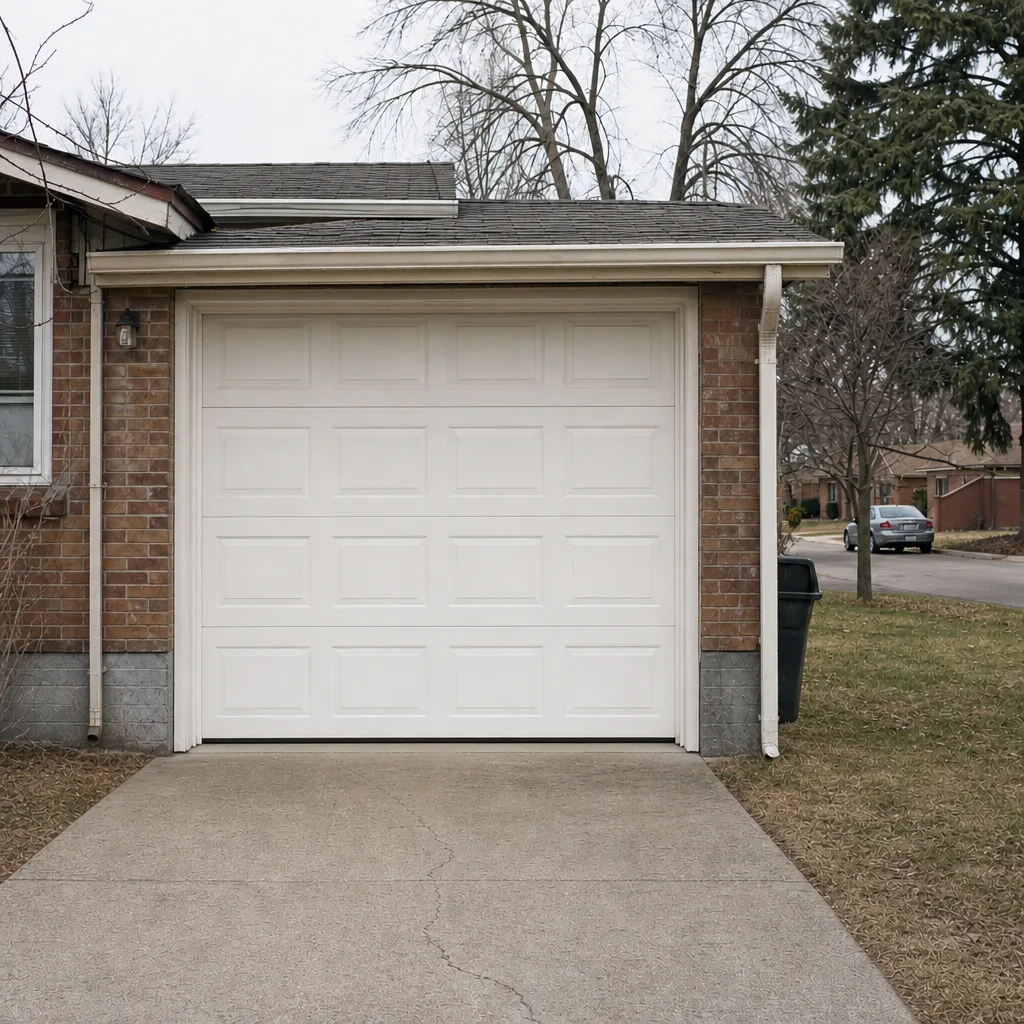 After
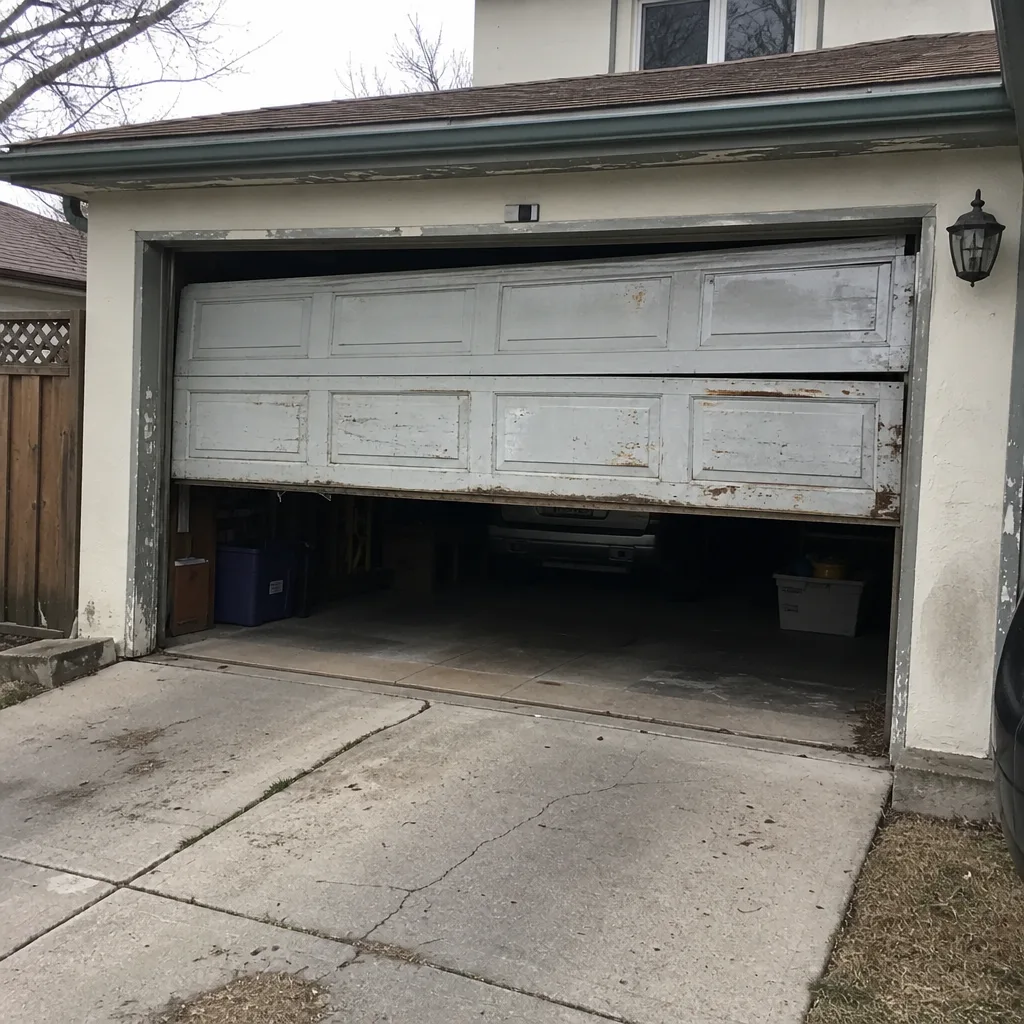 Before
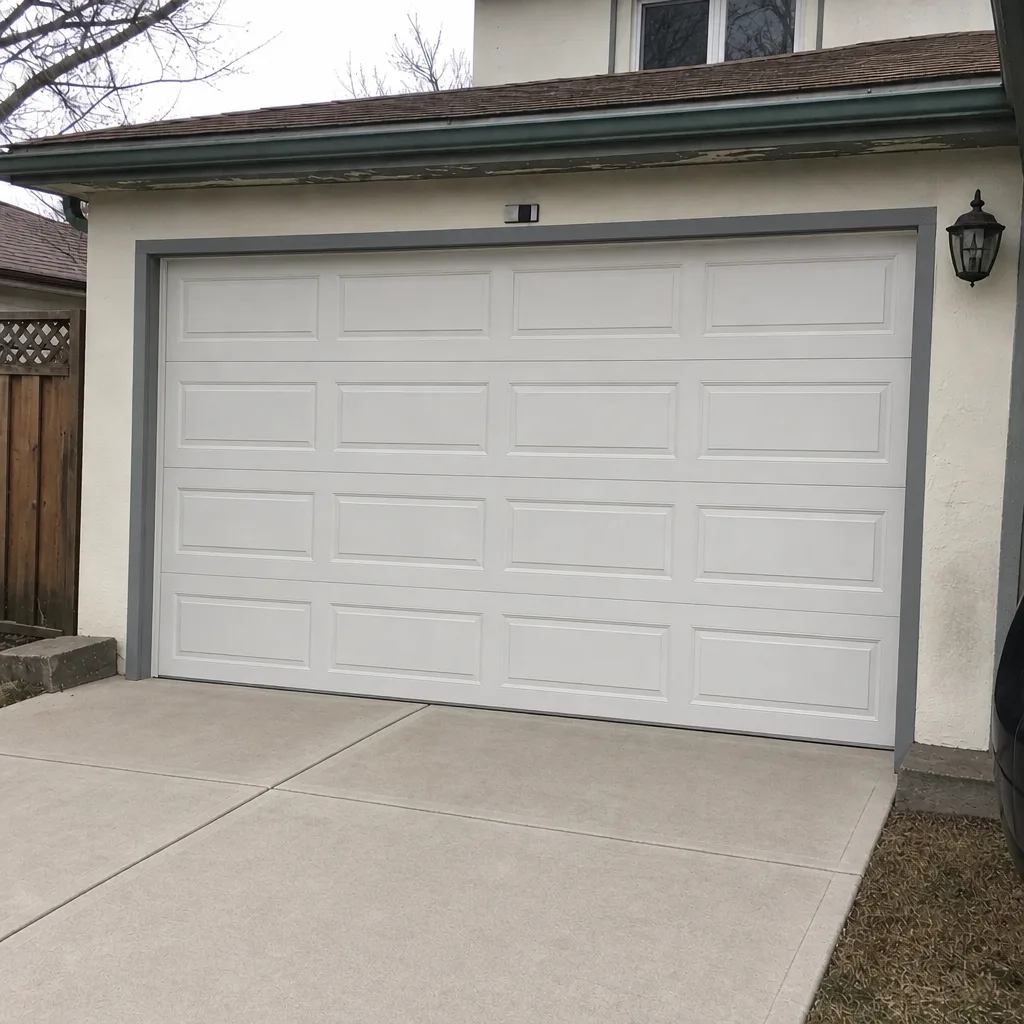 After