
Last updated November 21, 2026
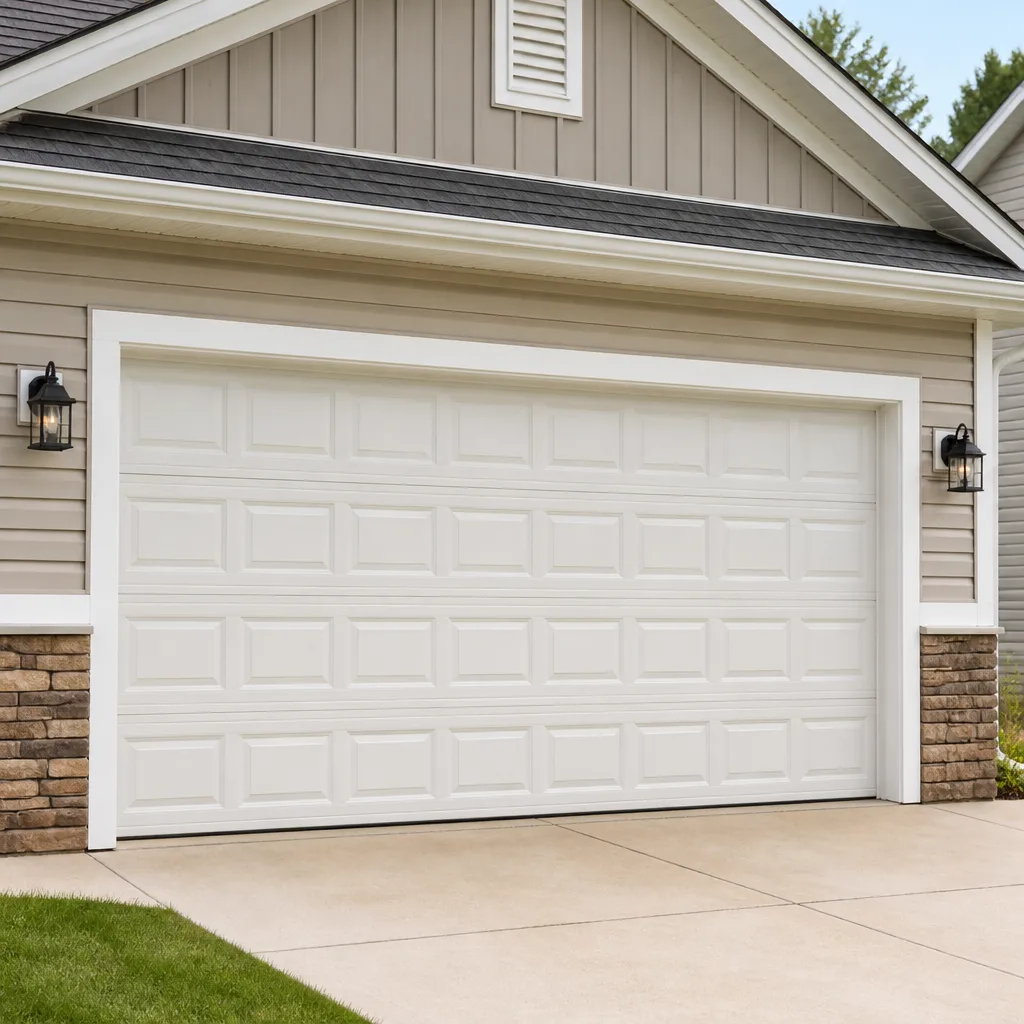 Raised-panel steel
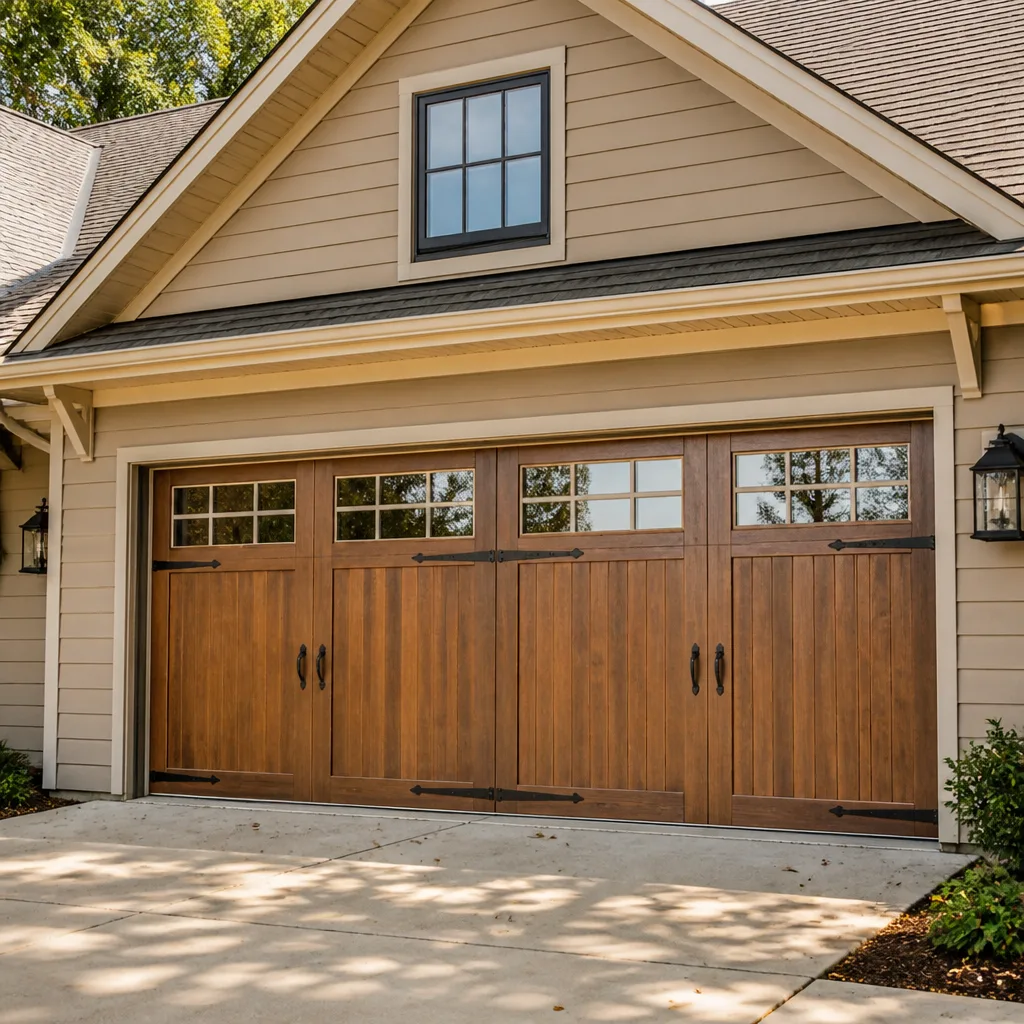 Carriage house
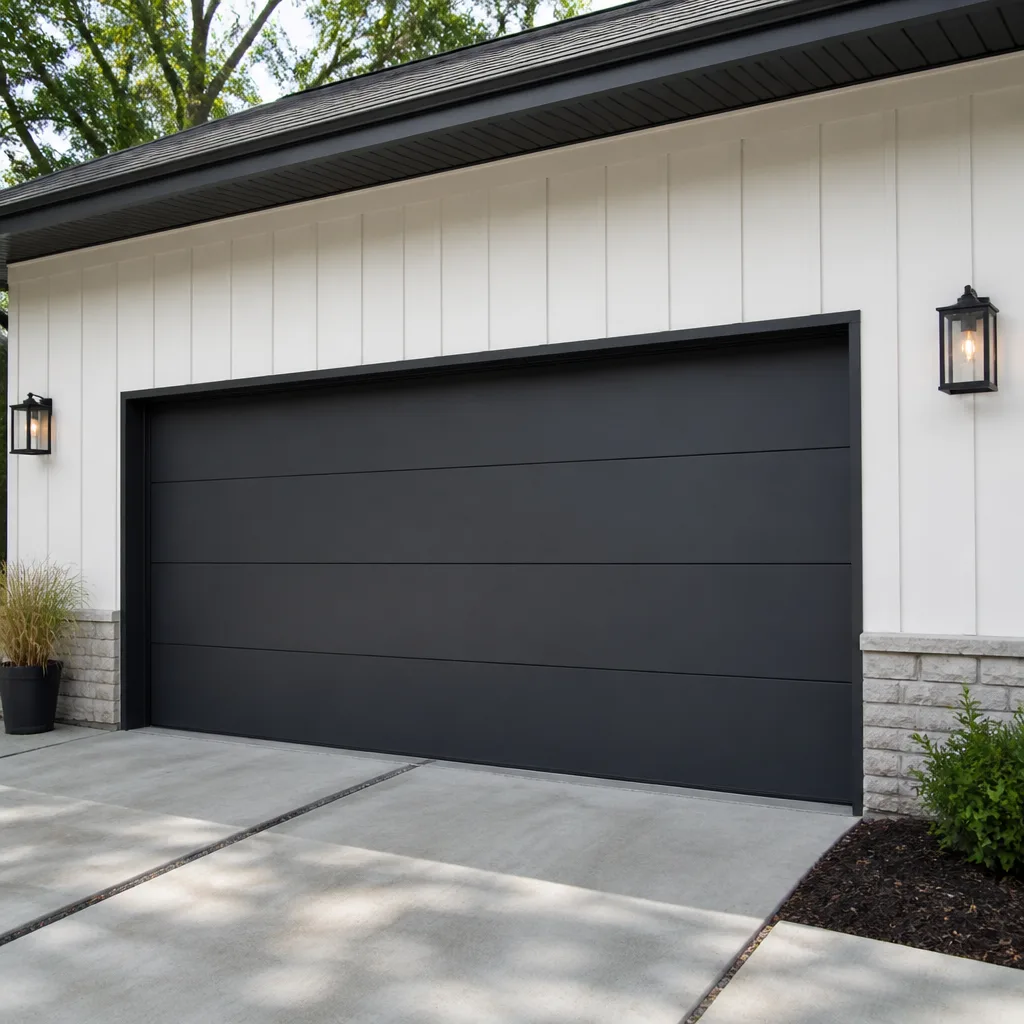 Modern flush
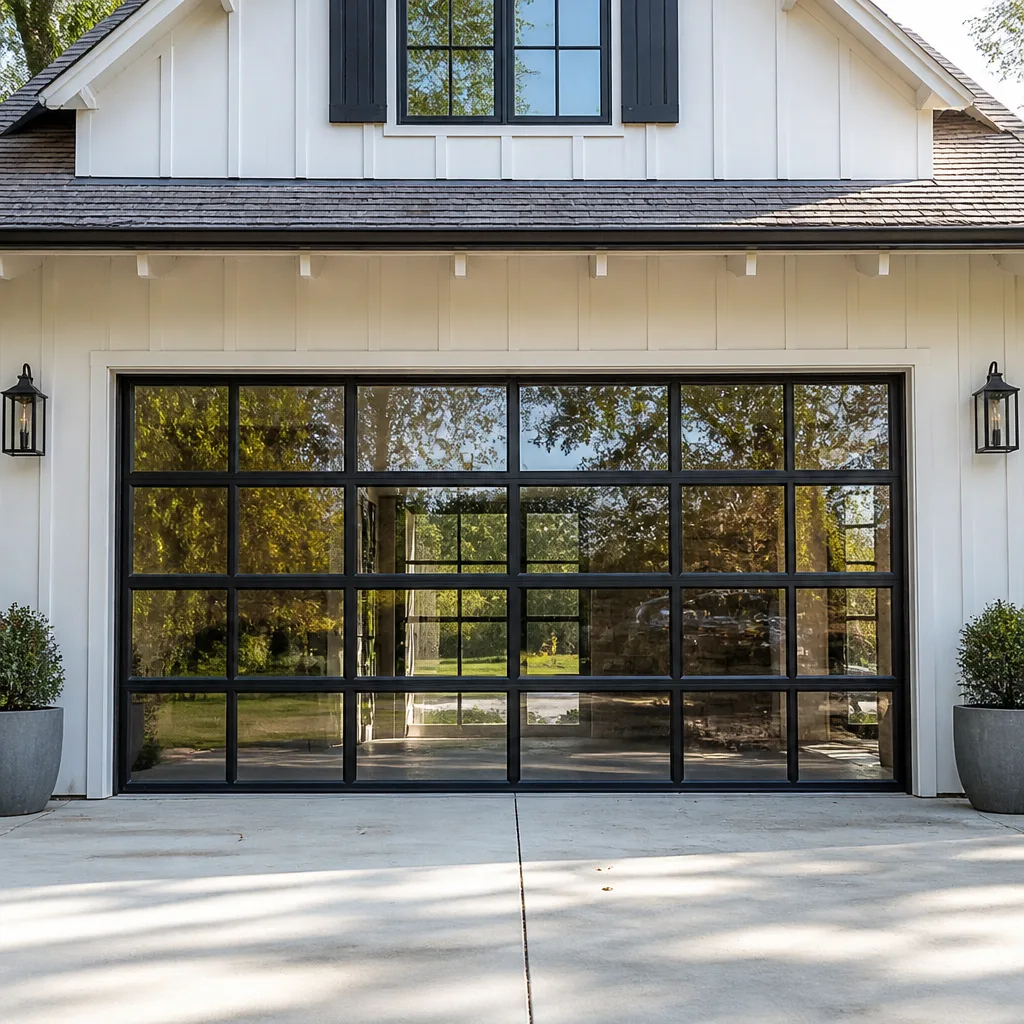 Full-view glass
 LiftMaster openers
 Chamberlain openers
Full 25-point door and opener safety check with every visit - springs, cables, rollers, tracks, and your LiftMaster or Chamberlain opener included
You get a price before we start. It does not change when the pro arrives.
Get your free estimateGarage Door Warning Signs: A Park Hill Homeowner’s Reference Guide
A garage door that takes two seconds longer to open than it did last month isn’t “getting old” – it’s telling you the spring tension is off, the tracks are dirty, or the opener motor is compensating for mechanical resistance it shouldn’t have to fight. Most homeowners are trained to ignore small sounds and slow movements until the door stops entirely and the car is trapped inside. This reference guide decodes the specific symptoms that predict the three most expensive failure modes in Park Hill before they turn into emergencies: snapped springs, dead openers, and doors that jump the track. Read it once and you’ll hear the difference between a door that’s settling and a door that’s about to fail.
Quick Answer
The main garage door warning signs are a door that moves slower or jerks during travel, grinding or squealing noises, a visible gap or curl in the torsion spring, frayed or kinked cables, a door that reverses without touching anything, and panels that sit off-level. In Park Hill, wood rot around the door frame and older openers struggling against stiff hardware are two of the most common hidden problems. Catching any one of these early usually means a repair rather than a full replacement.
Styles & brands we work with
- Raised-panel steel
- Carriage house
- Modern flush
- Full-view glass
- LiftMaster openers
- Chamberlain openers
Table of Contents
- The Symptom-to-Cause Index: What Each Sound Is Telling You
- Reading Springs and Cables Before They Snap
- Is It the Opener or the Door? How to Tell the Difference
- The 10-Second Reversal Test and What It Hides
- Warning Signs Specific to Park Hill’s Older Housing Stock
- Brand-Specific Clues on Common Park Hill Doors and Openers
- Your Monthly Inspection Checklist
The Symptom-to-Cause Index: What Each Sound Is Telling You
Every noise a garage door makes comes from a specific part, and matching the sound to the component narrows the fault before anyone opens a toolbox. Use this index as your first diagnostic pass. If you can describe the noise in one of these terms, you can usually describe the failing part too.
- Grinding during travel: Metal-on-metal contact, usually dry or worn rollers and a dirty track. Grinding that gets louder near the top of the run often points to the torsion shaft or the center bearing plate.
- Squealing or squeaking: Rollers or hinges running dry, or a torsion spring that has lost lubrication. Squealing that starts only in cold weather can signal a spring under uneven tension.
- Popping or a sudden bang: A single loud pop followed by a door that won’t lift is the classic signature of a torsion spring breaking. A repeating pop during travel can mean a hinge plate is cracking.
- Clicking from the opener head: A relay or gear wearing inside the opener, not a problem with the door itself. Clicking that happens with no door movement is electrical.
- Rattling that’s new this season: Loose bolts, a worn bottom bracket, or panels that have worked free of their hinges.
- Humming with no movement: The opener motor is running but the drive isn’t engaging – a stripped gear, a snapped belt, or the manual release has been pulled.
A door that’s quiet is generally a door that’s healthy. If your Park Hill door has started talking, take the specific sound seriously rather than waiting for the breakdown. Small mechanical faults compound, and a worn roller that costs a few dollars to replace can wear the track itself if ignored for a season. When a noise turns into a door that won’t move, call Garage Door Repair Park Hill and describe the sound; the team can often tell you what to expect before anyone arrives.
Reading Springs and Cables Before They Snap
Springs and cables are the parts that carry the door’s weight, and they fail under enormous tension. A torsion spring above the door can snap while looking perfectly fine from the ground, which is exactly why trained eyes matter here. You should never adjust, remove, or reach for a torsion spring or cable yourself. They are under enough force to cause serious injury, and this is one job a trained professional should handle. What you can do is learn to read the visual cues that predict a break.
On a torsion spring, look for these signs from the ground without touching anything:
- A visible gap in the coil, usually about a quarter-inch, where the spring has started to separate.
- A spring that looks loose or rattles when the door is at rest.
- Rust streaks running down the coil, which means moisture has worked into the metal.
- A door that lifts easily by hand but drops fast when you let go – a sign the spring has lost tension.
On cables, the warning is in the strands. A healthy cable is smooth and even along its entire length. A failing cable shows a fuzzy, frayed section where individual strands have begun to break, or a bend or kink where the cable has jumped a drum. A cable that’s “birdcaging” – strands spreading outward like a bad braid – is close to failure. Extension springs, more common on older Park Hill doors, should have a safety cable running through the center; if that cable is missing, add it to your list before anything else.
If you spot any of these, stop using the door and keep the car out of the garage until someone looks at it. A snapped spring or cable is one of the most technical and hazardous repairs on the whole door, and we handle that work directly so the fix is done correctly the first time. The Park Hill cold snaps that push overnight temperatures down tighten metal and put extra load on tired springs, so spring season is when these failures show up most.
Is It the Opener or the Door? How to Tell the Difference
This is the diagnosis homeowners get wrong most often, and it leads to replacing a perfectly good opener when the door was the problem – or the reverse. The opener is built to lift a door that moves freely. When the door develops resistance, the opener works harder than it should, and eventually the motor, gear, or board gives out. So the question isn’t just “what broke,” it’s “what broke first.”
- Pull the manual release. Disengage the opener so the door is free. Lift the door by hand to about waist height. A door that lifts smoothly and holds where you leave it points to a door that’s healthy – the opener is the likely fault.
- Test the door’s balance. If the door won’t stay up, drops on its own, or needs real effort to lift by hand, the springs or hardware are the issue. Replacing the opener will just burn out the new one.
- Look at the opener’s behavior. A door that reverses immediately, a light that blinks in a pattern, or an opener that hums without moving points toward opener electronics – a worn gear, a bad board, or a dead capacitor.
- Check for smart features. If your LiftMaster or Chamberlain opener has stopped responding to the app but still works from the wall button, the fault is in the Wi-Fi module or the logic board, not the door.
The fix is different in each case. A mechanical problem points to garage door repair, while a hum without movement or a dead logic board is garage door opener repair. Getting the diagnosis right on the first call saves you from paying for the wrong part. If you’re not sure which side of the line your problem falls on, that’s what the phone is for.
The 10-Second Reversal Test and What It Hides
Every modern opener has a safety reversal system, and testing it takes ten seconds. With the door fully open, place a small object – a roll of paper towels works – flat on the floor under the door. Close the door with the button. The door should reverse on contact with the object. If it doesn’t reverse, or if it presses down on the object before reversing, the force settings need attention now.
Here’s the part most guides leave out: a door that passes the reversal test can still be hiding a calibration problem. The opener has two force settings – one for opening and one for closing. A door that reverses for a paper towel but fails to reverse for something taller is running with too much closing force. A door that reverses too easily and refuses to close all the way is running with too little. Both are sign of a door that’s fighting resistance or an opener that’s been adjusted to compensate. The reversal test confirms the safety feature works; it doesn’t confirm the door is balanced or that the opener isn’t straining.
Run this test once a month, and pair it with a visual check of the photo-eye sensors at the base of the tracks. If the sensors are misaligned, dusty, or have a spider web across the lens, the door may refuse to close at all. In Park Hill, the dusty, dry summer air puts a fine layer on the lenses that homeowners rarely notice until the door stops closing in the middle of a busy morning. Wipe them down and check they’re aimed straight at each other. If alignment keeps drifting, the brackets or wiring may be the fault. And a door that fails the reversal test outright is a safety issue worth fixing before anything else on your list.
Warning Signs Specific to Park Hill’s Older Housing Stock
Park Hill has a lot of homes from the mid-twentieth century, and that changes the list of things to check. Older wood door frames, original center posts, and frames that have settled over the decades all introduce failure points a newer home doesn’t have. The most important one: wood rot in the door frame itself. When the frame or the header above the door is soft, spongy, or crumbling, a new door installed on it will work loose, bind, or fail within a year. That’s why we inspect the framing before quoting a replacement – the frame has to be sound before anything gets hung on it.
Signs of rot to check for on an older Park Hill home:
- Soft wood where you can press a screwdriver into the frame without much resistance.
- Peeling paint and dark staining around the base of the frame or the corners.
- A door that sticks and rubs only on one side, even after adjustments, because the frame has moved.
- Cracks in the original center post, which carries a lot of the door’s weight.
- A door that has twisted out of square and no longer sits flat when closed.
Older homes also tend to have extension springs rather than torsion springs, and original doors are heavier than modern ones. That extra weight is why an older opener can feel sluggish. If the door itself is past repair, a proper garage door installation on a sound frame solves both problems at once. The right call is the one that accounts for the house, not just the door. Our technicians have up to 9 years of experience working on doors in older stock, and the framing check is part of every replacement estimate.
Brand-Specific Clues on Common Park Hill Doors and Openers
The brand on the door and the brand on the opener each give you clues about how a fault behaves and what parts are involved. We work on the brand you already own across LiftMaster, Chamberlain, Genie, Clopay, Amarr, Wayne Dalton, Craftsman, and Raynor, so it’s familiar territory. A few brand-specific patterns are worth knowing.
- LiftMaster and Chamberlain: Modern units with smart-home integration. If the app stops responding or the wall button quirks, the fault is usually in the logic board or Wi-Fi module. A blinking error code on the head is your first clue.
- Craftsman and older Genie openers: Common on older Park Hill homes. A loud grinding or humming without door movement is often a stripped gear or a worn capacitor – both repairable, and worth fixing before the motor burns out.
- Wayne Dalton and Raynor doors: Common on older residential installs. Worn rollers and a sagging top section are signs to watch; a panel on a Raynor can be hard to source, which is why we keep parts on hand rather than waiting on third-party shipping.
- Clopay and Amarr: Common on newer doors. Look for a bottom seal that’s cracked or a hinge that’s cracked at the knuckle – both cheap to fix and easy to miss.
Knowing the brand also means you’re not told “we have to order that” when a common part fails. Parts supply is part of what we do, so a worn gear, a cracked hinge, or a failing roller can often be fixed the same visit.
Your Monthly Inspection Checklist
A short inspection once a month is the cheapest way to avoid the emergency repair. It takes about five minutes and can be done entirely from the ground.
- Open and close the door and listen. Note any new grinding, squealing, popping, or clicking.
- Run the 10-second reversal test with a small object on the floor.
- Wipe the photo-eye lenses and check they’re aimed straight across at each other.
- Look at the springs from the ground for a gap, rust streak, or loose coil – don’t touch them.
- Look at the cables for fraying, birdcaging, or a kink at the drum.
- Check the frame and center post for soft wood, staining, or peeling paint.
- Watch the door travel: does it move evenly, sit level when closed, and stay in the tracks?
- Test the manual release – with the door closed, pull the cord and lift the door by hand to check balance.
Keep a note of anything that changes month to month. A door that starts slow and stays slow is very different from one that suddenly jumps or hesitates, and that detail helps whoever you call.
Common Mistakes to Avoid
- Ignoring a slow door. A door that’s taking an extra second to lift usually has a spring or hardware problem that’s already developing. Waiting for the door to stop doesn’t save the cost – it usually adds a second repair.
- Spraying oil on the track. The track should be clean and dry, not greased. Oil attracts grit and creates the grinding you were trying to stop.
- Replacing the opener before checking the door. If the door isn’t balanced, the new opener will fail the same way. Test the door by hand first.
- Touching a torsion spring or cable. These parts are under extreme tension. A spring that looks harmless can snap without warning – call a trained professional instead of trying it yourself.
- Installing a new door on a soft frame. This is the single most common mistake on older Park Hill homes. Wood rot turns a sound installation into a binding one within a year.
- Adjusting force settings to cover up a problem. Turning up the closing force to make the door close hides the fault and makes the safety system less effective.
- Skipping the reversal test. It takes ten seconds and confirms the safety system is working. Almost no one does it, and it’s the most important check on the list.
See the difference
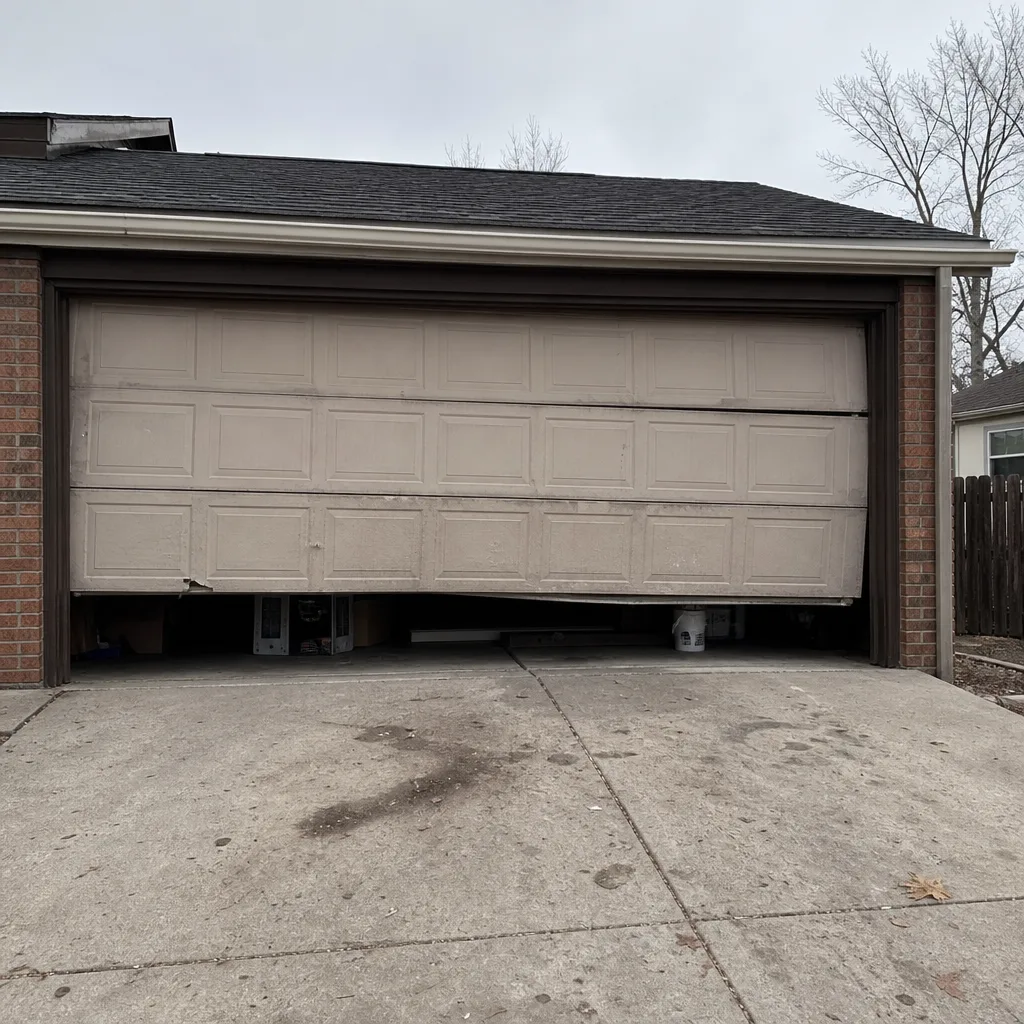 Before
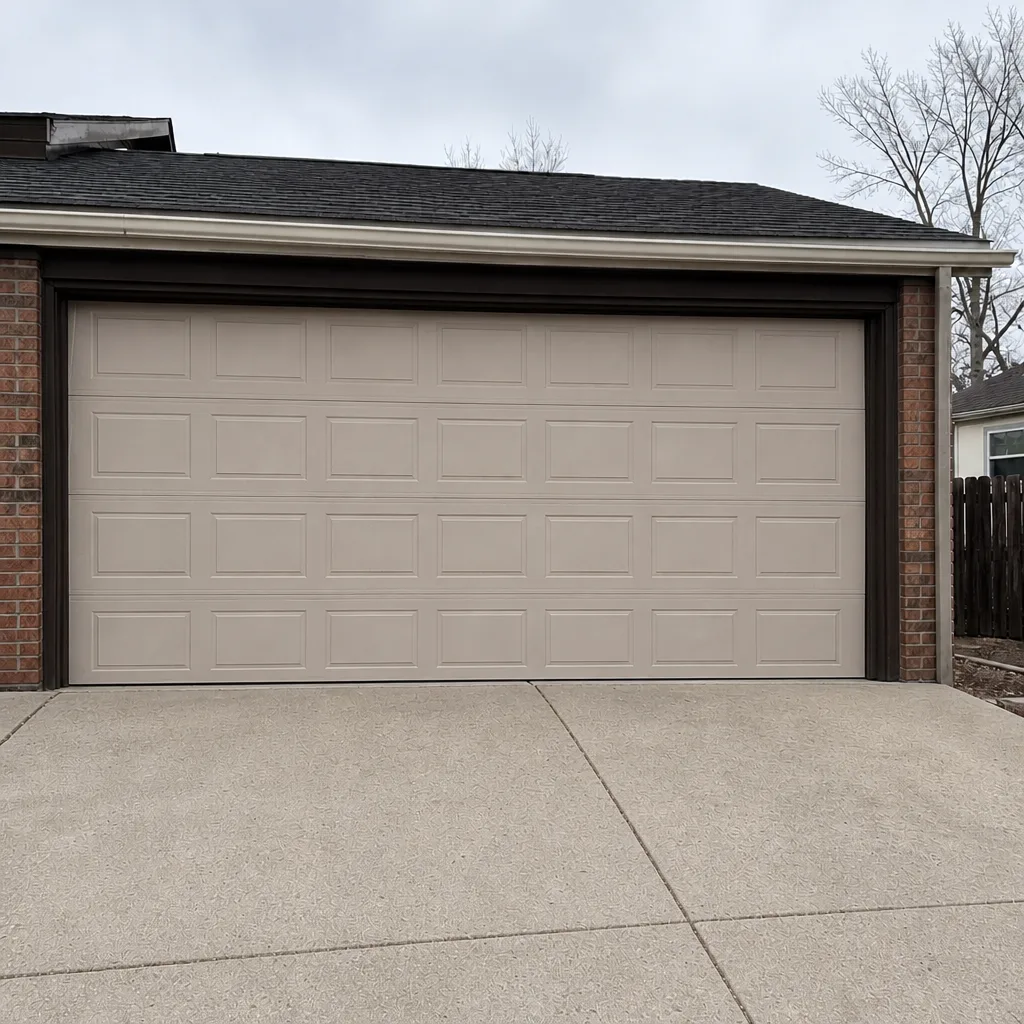 After
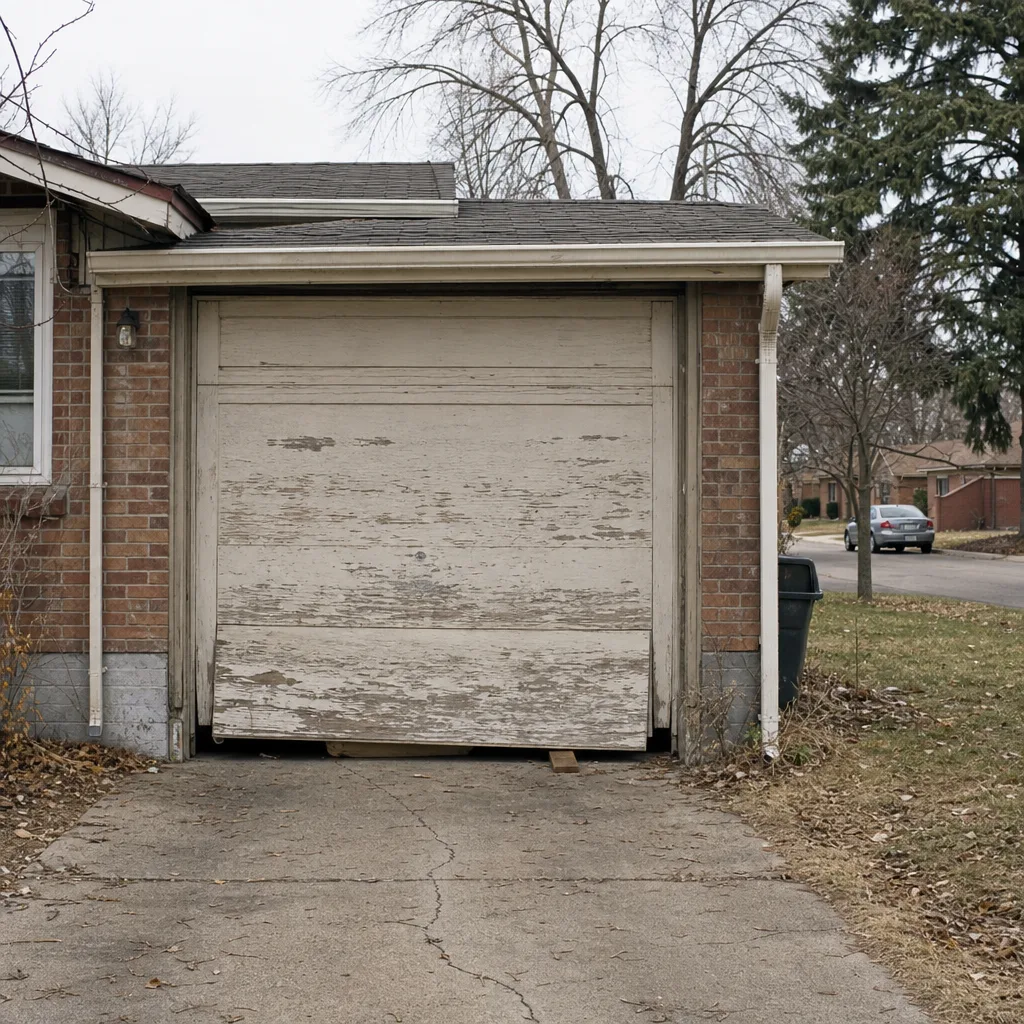 Before
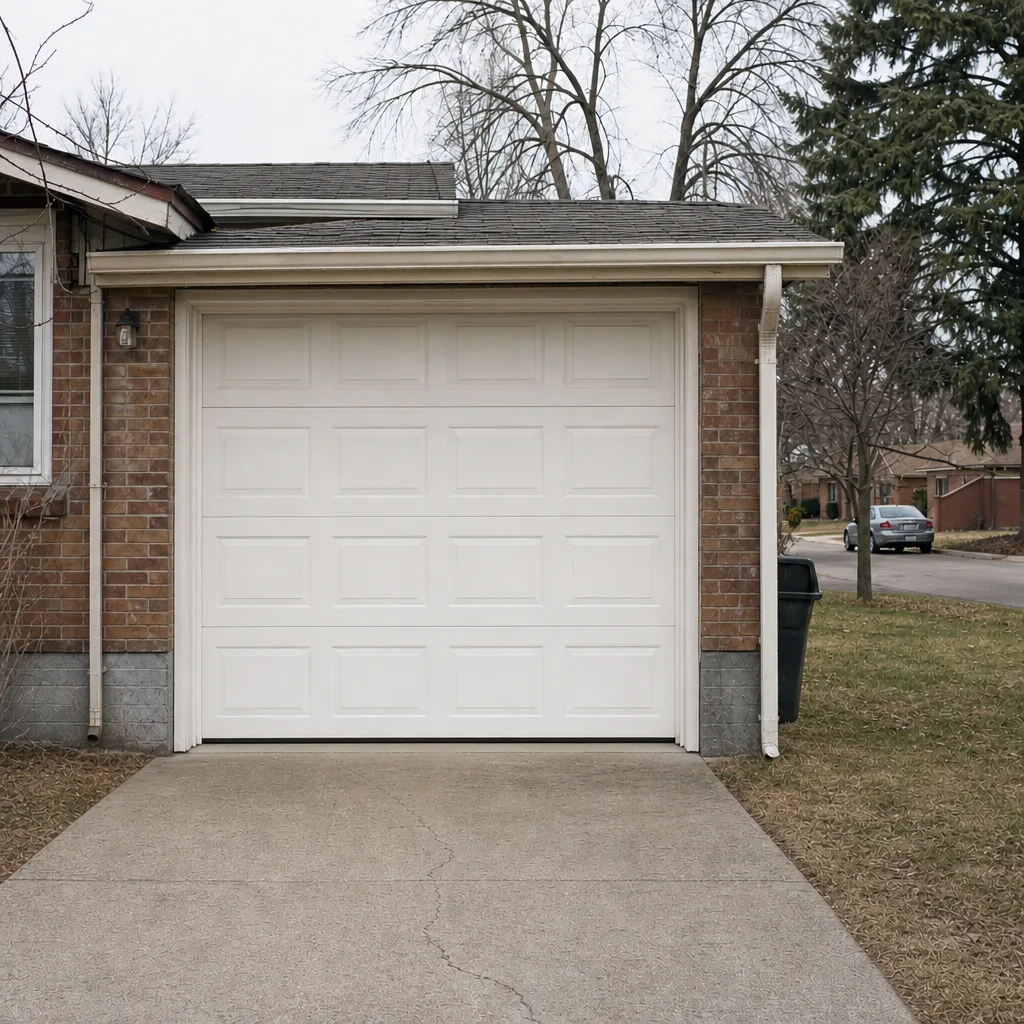 After
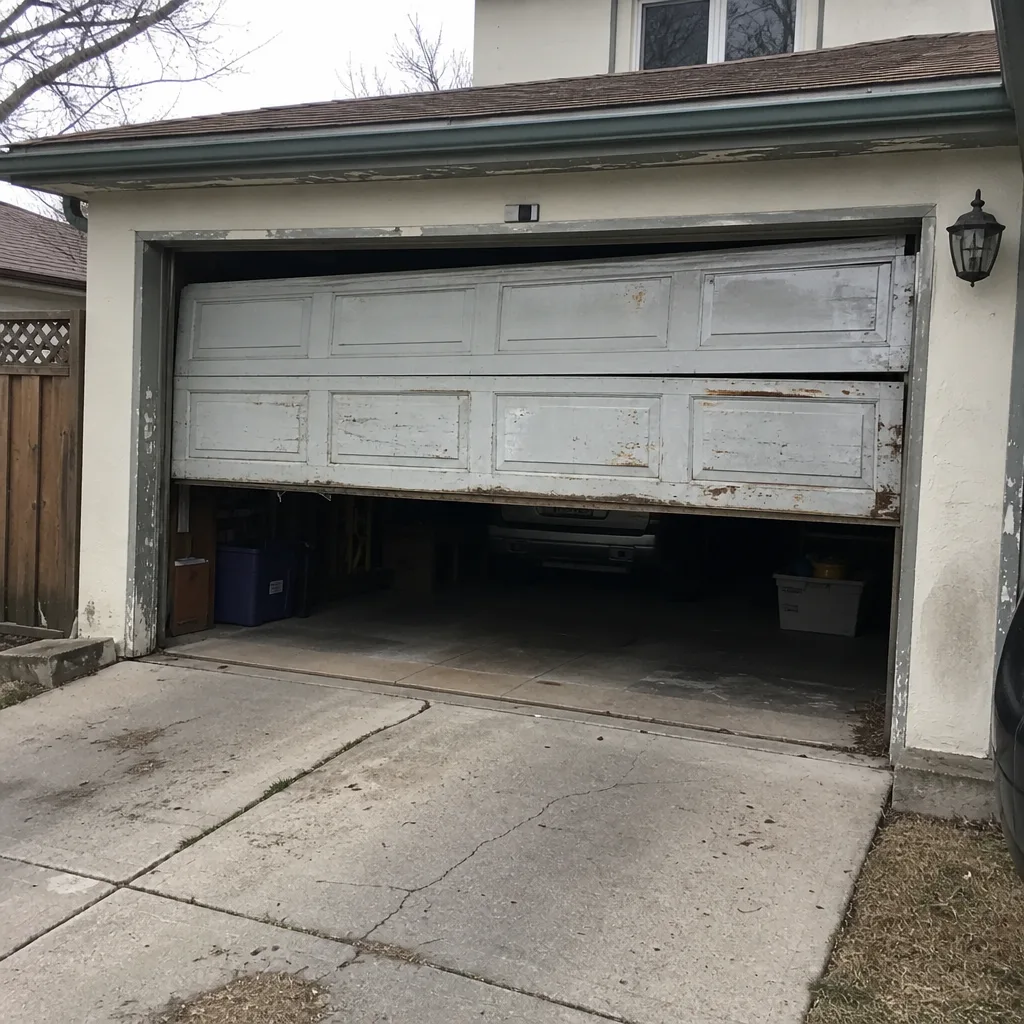 Before
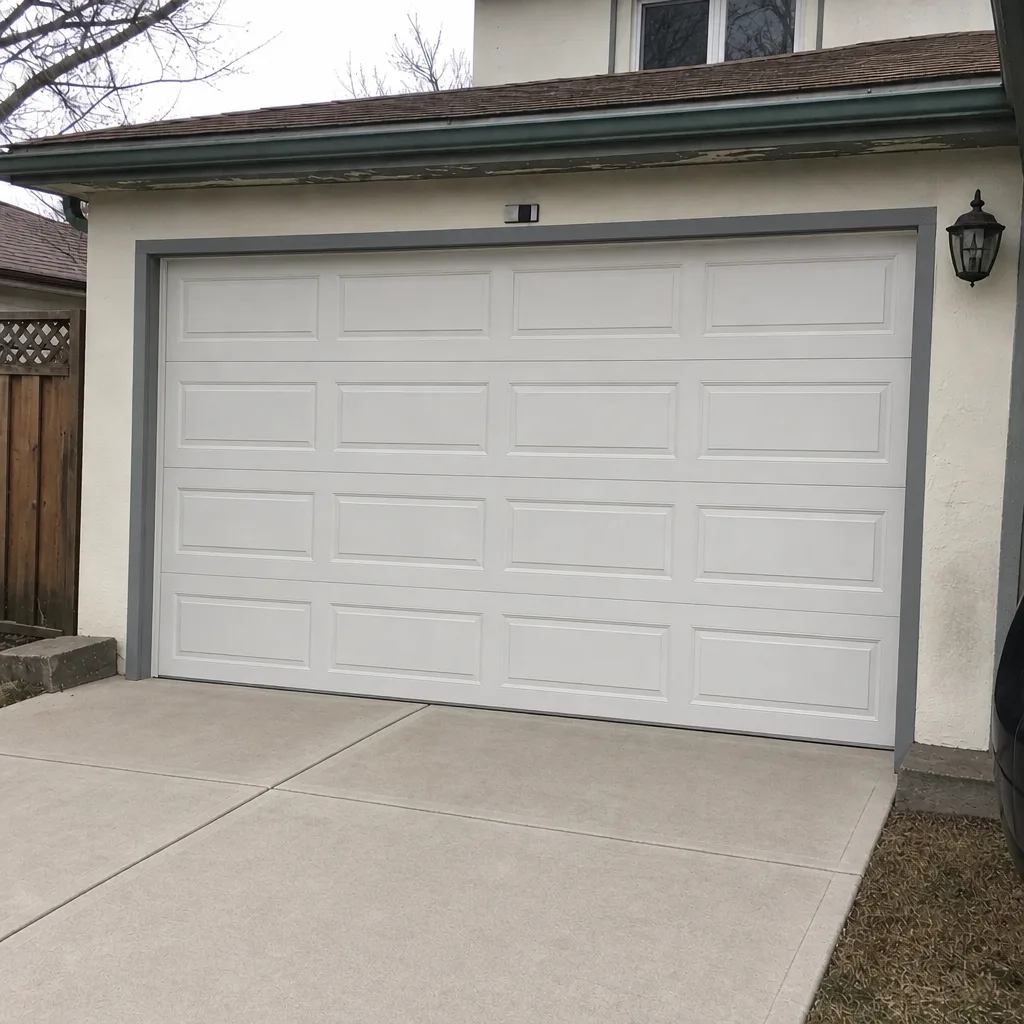 After
When to Call a Professional
Call a professional when you hear a new grinding or popping, when the door moves slowly, jerks, or reverses on its own, when you spot a gap or rust streak on the spring, or when the cable looks frayed or kinked. Call immediately when the door won’t open at all, when it’s hanging off-level, or when you can see or smell damage inside the opener. Any of these means a trained technician should take a look before you use the door again. We’ve seen how the smallest symptom becomes a snapped spring or a burnt-out opener when it’s left, and neither is a fix to make worse. Garage Door Repair Park Hill offers free estimates in Park Hill – call (888) 912-7130. We answer 24/7. Fast dispatch from 7am to 7pm, Sunday through Friday.
Frequently Asked Questions
The earliest warning signs are a door that moves more slowly than usual, a new grinding or squealing noise, and a visible gap or rust streak on the spring. A door that reverses on its own or starts to rub on one side is also telling you to look at it. Any one of these is worth a check. Call (888) 912-7130 for a free estimate – estimates are free.
The price depends on the part and the job, and every repair is quoted before any work starts. Our estimates are free and per job, and the written estimate sets the final price. Call (888) 912-7130 for an exact quote – estimates are free.
Yes – same-day service is available for urgent repairs. We answer 24/7, and fast dispatch runs from 7am to 7pm, Sunday through Friday. A call outside dispatch hours is booked into the next opening. Call (888) 912-7130 for the soonest slot.
No – you’ll get a written estimate before any work begins, and that estimate sets the final price. If a technician finds something unexpected, you’ll hear about it and agree to it first. Call (888) 912-7130 for an exact quote – estimates are free.
Yes – the local professionals we connect you with are licensed and insured as their state requires, and our technicians have up to 9 years of experience across all major door and opener brands. Call (888) 912-7130 to book a free estimate.
Yes, but the frame has to be sound first. Wood rot under an older frame is the most common reason a new door fails within a year, so the framing check is part of every replacement estimate. If the frame is soft, it needs to be repaired before the new door is hung. Call (888) 912-7130 to arrange the free measure and written quote.
The Bottom Line
Most garage door failures come with warnings if you know what to listen for. A slow door, a new grinding or popping noise, a frayed cable, or a soft frame is the door asking for attention before something expensive breaks. Use the symptom index and the monthly checklist to spot the signs early, and never touch the springs or cables yourself. When something does turn up, a quick call is usually all it takes to head off the emergency. Garage Door Repair Park Hill covers the door, the opener, the springs, and the parts under one company, on the brands Park Hill homes already have. Call (888) 912-7130 for a free estimate. We answer 24/7. Fast dispatch from 7am to 7pm, Sunday through Friday.
Written by the team at Garage Door Repair Park Hill.