
Last updated November 21, 2026
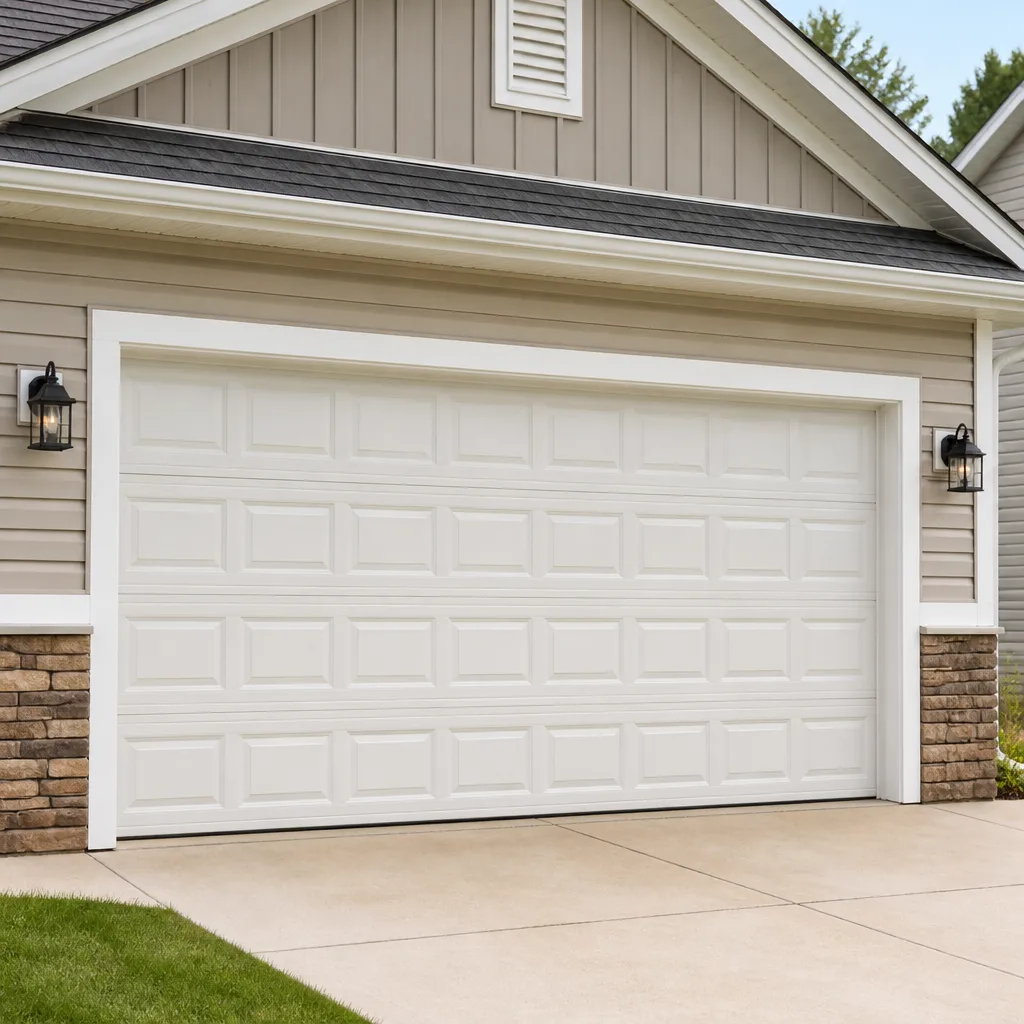 Raised-panel steel
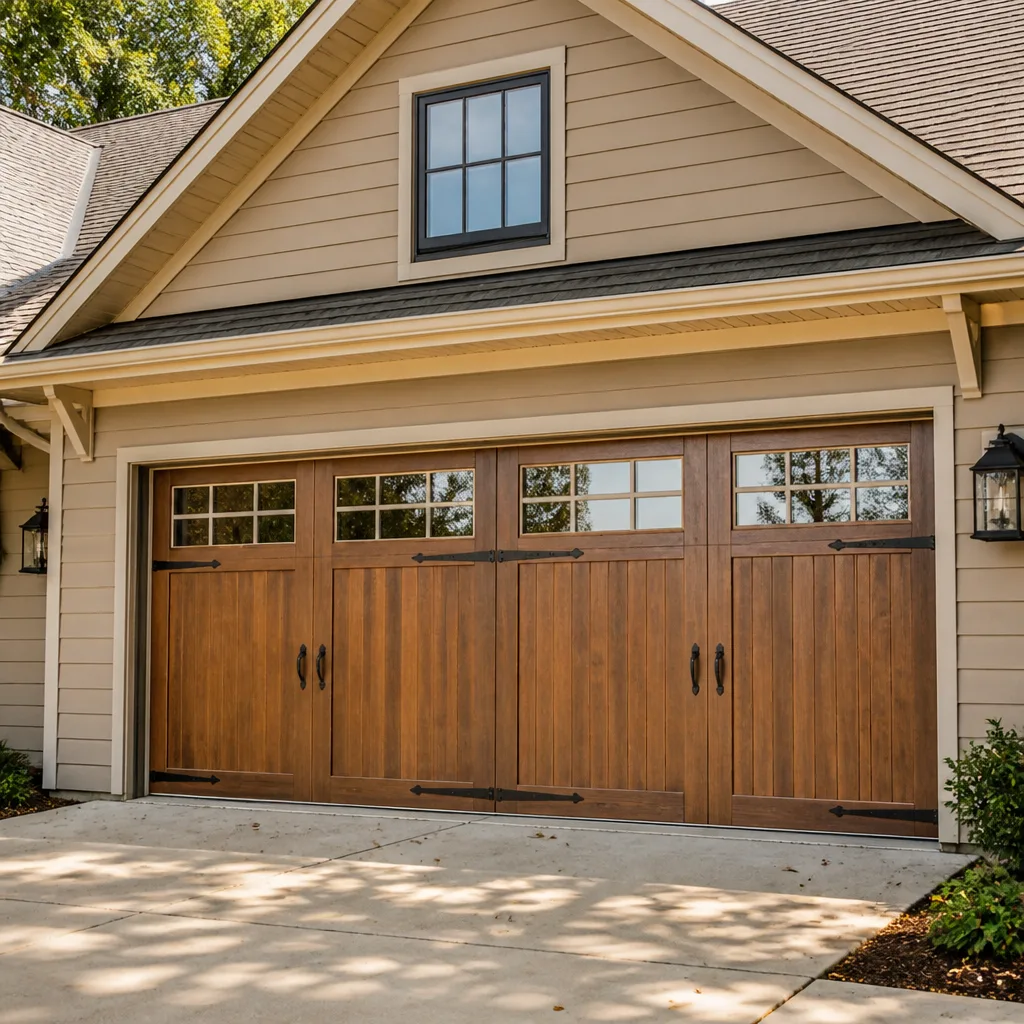 Carriage house
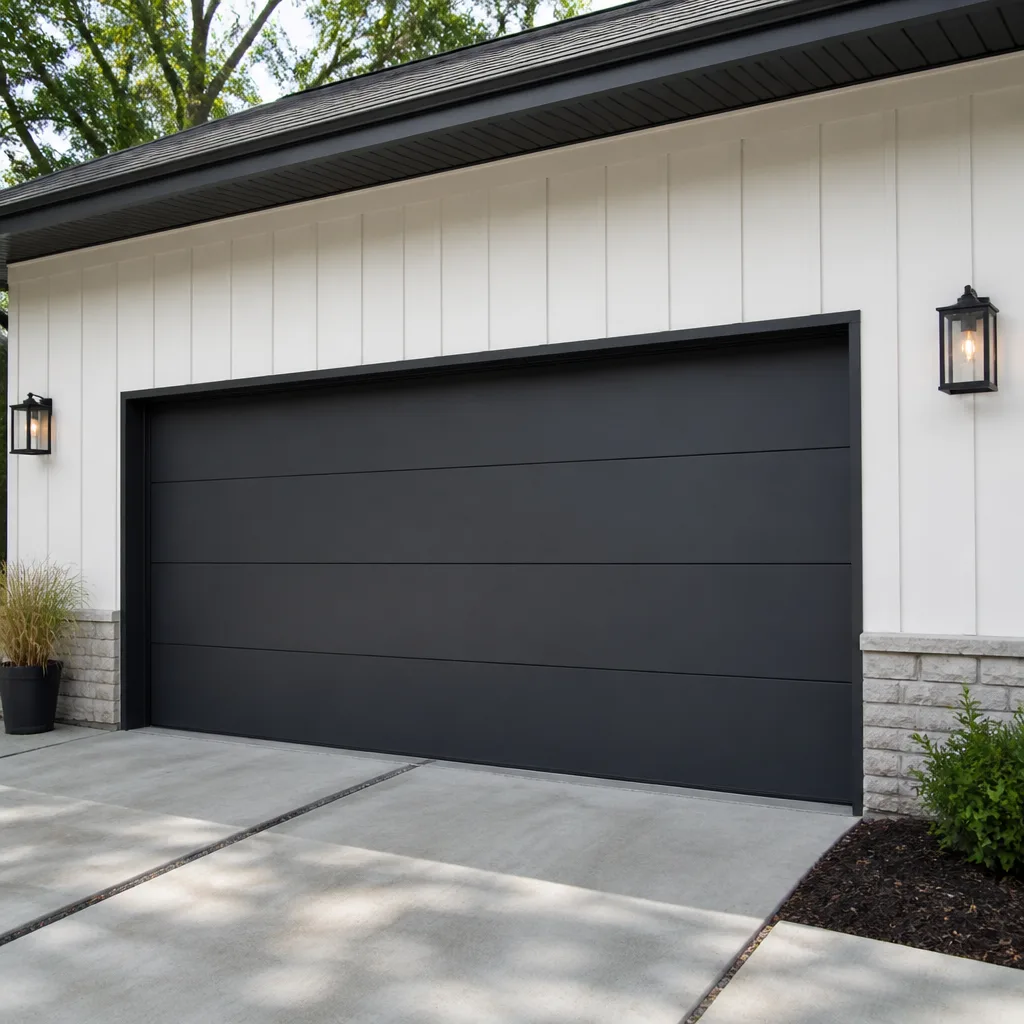 Modern flush
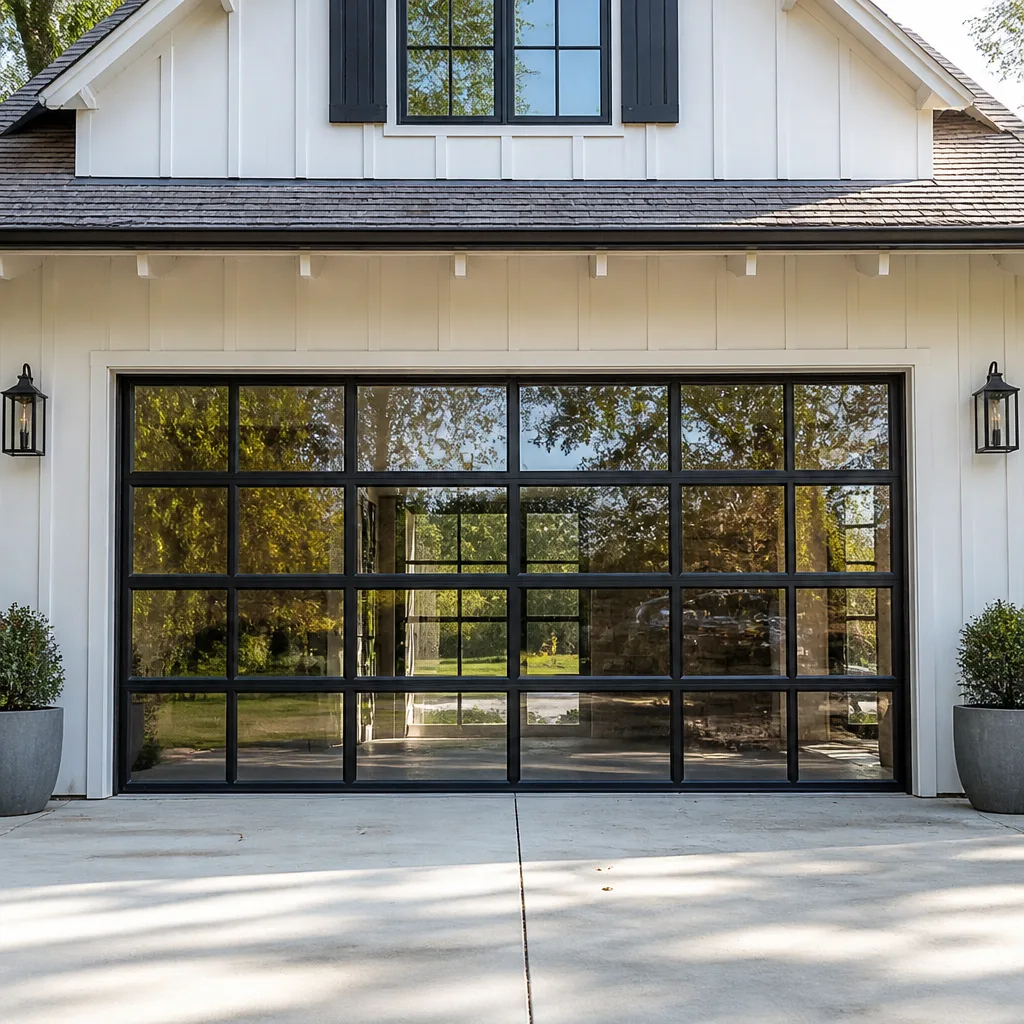 Full-view glass
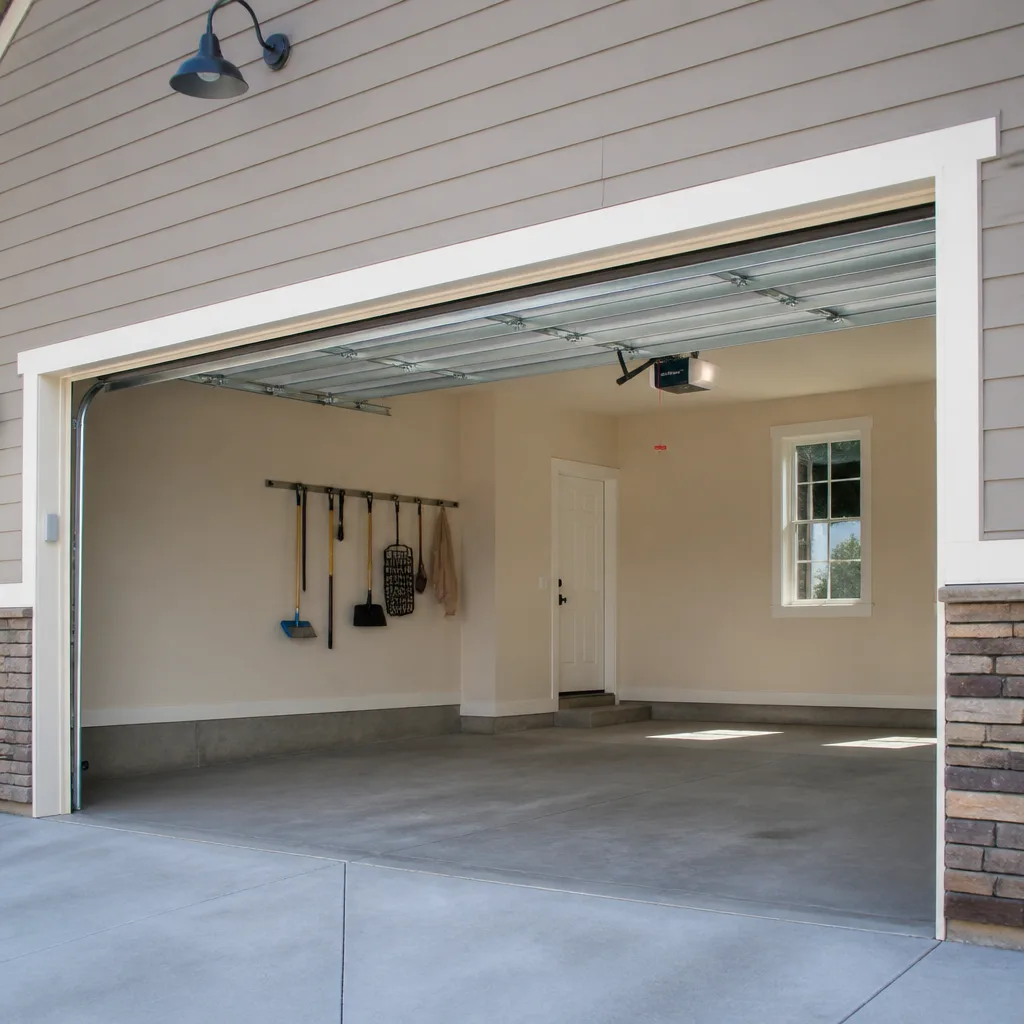 LiftMaster openers
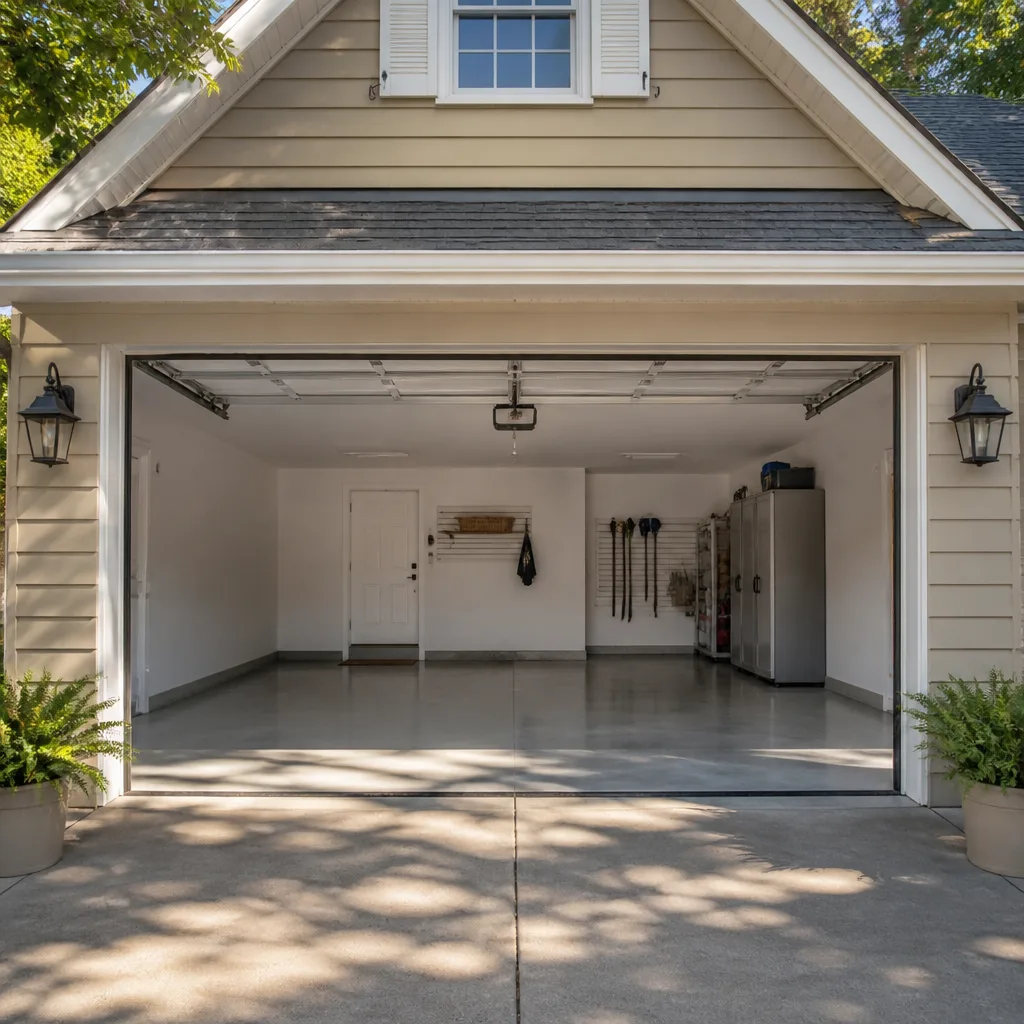 Chamberlain openers
Full 25-point door and opener safety check with every visit - springs, cables, rollers, tracks, and your LiftMaster or Chamberlain opener included
You get a price before we start. It does not change when the pro arrives.
Get your free estimateThe Complete Guide to Garage Doors in Park Hill
Most garage door guides are written for a generic suburban house. Park Hill isn’t that. On the same block you’ll find a 1920s bungalow with a narrow single-car garage and a 2019 infill build with a wider, taller two-car bay, and those two houses need completely different doors, springs, and openers. A door that’s right for one is wrong for the other, and the opener that works on a modern high-lift track won’t fit a low-header garage from the mid-century. This guide maps every decision to the housing stock and climate you actually have in Park Hill, from sizing and materials to springs, openers, and a realistic cost map.
Quick Answer
The right garage door in Park Hill depends less on style than on your house: its build era, garage width and header height, whether the garage is attached or detached, and how exposed it is to hail and freeze-thaw cycles. Older bungalows and mid-century ranch homes usually need non-standard sizing, lighter torsion springs rated for a narrower door, and openers that fit low headroom, while newer infill construction can take standard two-car doors and modern smart openers. Get the measurements and hardware audit right before you buy anything, and the rest of the job falls into place.
Styles & brands we work with
- Raised-panel steel
- Carriage house
- Modern flush
- Full-view glass
- LiftMaster openers
- Chamberlain openers
Table of Contents
- How Park Hill’s Housing Stock Shapes Your Garage Door
- Sizing and Opener Compatibility in Older Park Hill Garages
- Which Door Materials Hold Up in Denver’s Climate
- Attached vs. Detached Garages: Why the Approach Changes
- How to Audit Your Existing Hardware Before You Call Anyone
- Choosing the Right Opener for a Park Hill Home
- A Realistic Parts-and-Labor Cost Map
- Repair or Replace? How to Decide
How Park Hill’s Housing Stock Shapes Your Garage Door
Park Hill is one of those Denver neighborhoods where the housing stock tells a story just by looking down a street. You’ll pass 1920s bungalows with original detached garages, 1950s and 1960s ranch homes with attached single bays, and newer infill construction from the 2010s and 2019 that fills in the lots between them. Each era built garages to different dimensions and different assumptions about how a car would be stored and accessed. The practical result is that a garage door decision in Park Hill almost never starts with “what looks good.” It starts with “what does this house’s garage physically allow.”
That matters because garage doors aren’t sold in infinite custom sizes the way windows can be. Standard stock sizes fit standard openings, and when your opening doesn’t match, you either pay for a custom door or you adapt the opening. In Park Hill, both situations come up constantly. Walk the neighborhood with a tape measure and you’ll see why.
- 1920s bungalows: Often single-car, narrow width, low header height, sometimes with a detached garage set back from the house.
- 1950s-60s ranch homes: Attached single bays, flat or low-pitch roofs over the garage, header heights that can be tight for a modern opener rail.
- Newer infill (2010s-2019): Wider two-car openings, taller headers, and construction that assumes a modern sectional door with a high-lift or standard-lift track.
We work on all three every week, and the sizing conversation is different for each. A door that drops perfectly into a 2019 infill opening will not fit a 1926 bungalow without modification. Knowing which house you have before you shop is the single biggest thing that keeps a door project on budget in Park Hill.
Sizing and Opener Compatibility in Older Park Hill Garages
Older Park Hill garages were built before anyone expected an electric opener to hang from the ceiling. That’s the core issue. When a 1920s or 1950s garage was framed, it was designed for a person to lift a door by hand, which means the headroom above the door and the depth of the side clearance were never planned around a motor, rail, and chain or belt. Adding an opener to these garages is entirely doable, but it takes measurement and sometimes a different opener style.
Here’s what to check on an older Park Hill garage before you assume a modern opener will fit:
- Header height. Measure from the floor to the bottom of the opening’s head jamb. Low headers may need a low-profile or wall-mount-style opener, or a door that runs on a different track configuration.
- Headroom above the door. Measure from the top of the door (when open) to the ceiling. Standard rail openers need a set amount of clearance; tight garages often can’t take one.
- Side room. Measure the clearance between the edge of the door and the side wall. Torsion springs and some opener hardware mount here.
- Backroom. Measure the distance from the door to the back wall. The door travels back along the ceiling and needs room to sit.
- Structural condition. Older jambs, headers, and framing in Park Hill garages sometimes need attention before a new door or opener is hung.
Non-standard header heights are common in these homes, and they affect everything downstream: the door’s track radius, whether a high-lift is possible, and which opener will actually clear the ceiling. We’ve sized hundreds of these openings, and the measure comes first every time. A technician with up to 9 years of experience will still pull out a tape and confirm the numbers before recommending anything, because the numbers on an older Park Hill garage can surprise you.
Which Door Materials Hold Up in Denver’s Climate
Denver’s climate is hard on garage doors in a way that’s specific and predictable. The freeze-thaw cycle is the big one: moisture gets into seams, cracks, and the joints around panels, freezes overnight, expands, and thaws the next day. Repeat that through a Front Range winter and any door material that absorbs water or has poorly sealed joints starts to show it. Then add hail. The east side of the metro, Park Hill included, sees hail that dents, chips, and pockmarks softer door faces.
Here’s how the common materials hold up under those two pressures:
- Steel: The most common choice, and for good reason. It handles freeze-thaw well because it doesn’t absorb moisture, and modern insulated steel doors resist hail dents better than older thin-gauge panels. Dents are still possible in severe hail; the gauge of the steel and whether it’s insulated make a real difference.
- Aluminum: Lighter than steel and won’t rust, but softer. Hail is the concern here; aluminum panels can dent more easily than steel of comparable thickness.
- Wood and wood-composite: Beautiful on a 1920s bungalow and period-appropriate for Park Hill’s older homes. The tradeoff is maintenance: wood needs sealing and repainting to survive freeze-thaw, and moisture management around the bottom panel matters most.
- Insulated vs. non-insulated: An insulated door resists denting better and holds up to temperature swings, but it costs more. For an attached garage on a Park Hill home where the space is used or the room above it is conditioned, insulation earns its keep.
For a 1920s bungalow, a wood or wood-look door fits the architecture, but it needs upkeep to survive Denver winters. For a 1950s ranch or a 2019 infill build, insulated steel is usually the practical answer. Clopay and Amarr both make door lines in steel, aluminum, and wood-look finishes that suit Park Hill’s range of housing, and matching the material to the house is what keeps a door looking right on the block.
Attached vs. Detached Garages: Why the Approach Changes
Park Hill has a lot of detached garages, especially behind the older bungalows, and that single fact changes a garage door project more than most homeowners expect. An attached garage shares walls and structure with the house. A detached garage is a standalone building with its own framing, its own roof, and its own access and power situations. When we quote a garage door in Park Hill, the first question is often “attached or detached?” because the answer reshapes the approach.
Detached garages in Park Hill
- Power and opener wiring. A detached garage may not have its own circuit for an opener, or the existing wiring may be old. Adding a modern opener can mean running power or working with what’s there.
- Structure and settling. Older detached garages settle independently from the house. That can throw a door opening out of square, which affects track alignment and how a new door sits.
- Weather exposure. A detached garage takes the full brunt of wind, hail, and sun on every side. The door and its seals do more work.
- Access for the work. Getting a new door and materials to a detached garage set back from the alley is part of planning the job.
Attached garages in Park Hill
- Shared walls and insulation. The door is part of the thermal envelope of the house. An insulated door matters more here.
- Living space above or beside. A door that needs a high-lift or unusual track has to account for the structure around it.
- Wiring is usually present. An attached garage almost always has power where an opener is needed, which simplifies an opener installation.
Neither configuration is harder in an absolute sense; they’re just different jobs. A detached garage project in Park Hill often starts with checking power and squaring the opening, while an attached garage project starts with the door’s role in the house’s insulation and headroom. Getting this right up front is why a single-source outfit that handles doors, openers, springs, and parts matters. If you’re sorting out a repair first, our garage door repair work covers both configurations, and if you’re ready for a new door, garage door installation starts with the same measure.
How to Audit Your Existing Hardware Before You Call Anyone
Before you call anyone about a garage door in Park Hill, take ten minutes and look at what you actually have. This audit keeps you from being sold a spring when you need a cable, or a whole new door when a track adjustment would fix it. It also gives you the details any technician will ask for on the phone. Do this standing safely on the floor; don’t climb on ladders or touch the springs or cables.
- Identify the door type and brand. Sectional door or one-piece? Look for a manufacturer label – Clopay, Amarr, Wayne Dalton, Raynor, and Craftsman doors all carry ID somewhere on the door or frame. Note the panel style and material.
- Identify the opener brand and model. Look at the motor unit on the ceiling. LiftMaster, Chamberlain, Genie, and Craftsman are the most common in Park Hill, and each has model numbers on the housing. If it’s a smart or Wi-Fi model, note that too.
- Check the door’s balance by hand. With the door closed and the opener disconnected, lift it partway by the handle (never by the springs or cables). It should move without extreme effort and stay where you put it. A door that’s very heavy or slams down is out of balance.
- Look at the spring type. A torsion spring is mounted on a shaft above the door; extension springs run along the sides. Note which you have. Don’t touch either; just identify.
- Listen and watch for symptoms. A door that jerks, scrapes, or comes off its track has a mechanical issue. An opener that runs but the door doesn’t move points to a disconnect or a broken spring or cable.
- Note any damage. Dented or cracked panels, frayed cables, worn rollers, or a bent track are all worth pointing out.
With those six things written down, you’ll have a clear picture before anyone quotes you. In our experience, the most common misdiagnosis in Park Hill is calling a broken spring a “dead opener.” When a torsion spring snaps, the opener runs but the door won’t lift, so homeowners blame the motor. The audit above catches this. If the door feels dead heavy and the opener hums without lifting it, the problem is usually mechanical, not electronic.
Choosing the Right Opener for a Park Hill Home
An opener has to match the door it’s lifting and the garage it’s mounted in. A heavy wood door on an older Park Hill bungalow needs more lifting power than a light steel door on a modern infill build, and a low-headroom garage may rule out a standard rail opener entirely. Modern openers from LiftMaster, Chamberlain, and Genie cover the range from basic chain-drive units to belt-drive and smart, Wi-Fi-connected models that work with a phone app. Which one belongs on your ceiling depends on four things.
- Door weight and size. Heavier doors need higher lifting capacity. Don’t under-buy the opener for a wood door.
- Garage headroom and layout. Tight headroom may call for a low-profile unit or a jackshaft opener that mounts on the side wall instead of the ceiling.
- Noise. An attached garage with living space above or beside it benefits from a belt-drive opener, which runs quieter than chain drive.
- Smart-home integration. If you want app control, alerts, or integration with a home system, choose a model built for it. LiftMaster and Chamberlain both make connected openers that are common in Park Hill’s newer homes.
When an opener fails, the repair decision matters as much as the original choice. If you have a LiftMaster, a Chamberlain, or a Genie opener that’s stopped responding, the fix might be a gear, a circuit board, a safety sensor, or a remote issue, and a model with app connectivity needs a technician who understands the electronics rather than just the mechanicals. That’s the range we cover. Our garage door opener repair work handles both the older hardware and the smart-connected units, so your Wi-Fi opener doesn’t become a “we have to order the part” situation.
A Realistic Parts-and-Labor Cost Map
Here’s the part most guides either skip or fudge. Garage door pricing in Park Hill breaks down by scenario, and the ranges below are typical estimates, not promises. The written estimate you get after a measure sets the final price, and that price is agreed before any work starts. Nothing changes once the job is underway.
Two things to know before you read the table. First, a spring price is for one spring. Springs are usually replaced in matched pairs, so a pair costs about twice a single-spring figure. Second, the numbers below are typical for this market and this trade, and every job gets its own written quote.
- Single torsion spring replacement (parts and labor): typically $150-$290 for one spring. A matched pair is usually replaced together, so budget roughly double for a pair.
- Extension spring replacement: typically $110-$220 for one spring, again with pairs commonly replaced together.
- Cable, roller, or track repair: typically $100-$250 depending on what’s replaced.
- Opener repair (motor, gear, board, sensor, or remote): typically $120-$300 depending on the fault and the brand.
- New opener installation with a standard unit: typically $300-$550 including the unit and labor.
- Smart/connected opener installation: typically $350-$650 for the unit and install.
- Single-car door replacement (standard-size, installed): typically $900-$1,800 depending on material, insulation, and style.
- Two-car door replacement (installed): typically $1,500-$3,000 depending on the same factors.
These ranges are for typical Park Hill jobs. Custom sizing on a 1920s bungalow, a wood door with a specialty finish, or structural adjustments to the opening can push a project higher, which is exactly why the measure comes first. If you want to understand what a specific repair looks like in more detail, our Garage Door Repair Park Hill page walks through the common jobs. For a precise quote on your door, call (888) 912-7130. Estimates are free, and the price is set before we start.
Repair or Replace? How to Decide
The repair-versus-replace decision comes up on nearly every aging door in Park Hill, and it’s usually clearer than it feels. The question isn’t “how old is the door,” it’s “what’s the condition of the whole system and what’s the pattern of failures.” A door that’s dented but otherwise sound is a repair or a panel replacement. A door with a failing spring, worn rollers, a bent track, and panels that have taken hail damage is a case for replacement, especially when the repairs start stacking up.
Work through these checkpoints:
- Has the same part failed more than once? Repeated spring or cable failures point to a door that’s out of balance or a system that needs more than another repair.
- Are the panels structurally damaged? Dents that don’t affect function can stay. Cracked, bent, or separating panels usually can’t be fixed safely.
- Is the opener newer than the door? If you’ve replaced the opener recently and the door is the weak link, a new door may be the smarter spend.
- Does the door fit the house anymore? A door that’s the wrong size or material for how the garage is used is a case for replacing rather than repairing.
- What does the insulation situation look like? An attached garage with living space above benefits from an insulated door, and that’s a replacement argument, not a repair one.
When a repair no longer makes sense, moving from repair to a new door shouldn’t mean switching companies. We do both, so you can go from diagnosis to a written estimate for a new door without a gap. A new Clopay or Amarr door sized for your Park Hill opening, paired with a matched opener if the old one is near the end, is a clean way to close the loop. If you’re leaning toward replacement, start with the measure and a written price; the installation is scheduled once the door is ordered.
Common Mistakes to Avoid
- Buying a standard-size door for a non-standard opening. A 1920s Park Hill bungalow garage often isn’t a stock size. Measure the opening before you shop, or you’ll pay for a return and a custom order.
- Blaming the opener for a broken spring. A snapped torsion spring makes the opener run without lifting the door, and homeowners often replace a working opener instead of the spring that actually failed. Do the balance check first.
- Under-buying lifting power for a wood door. A heavy wood door on an older home needs an opener rated for it. A light-duty unit will wear out and leave you repairing it.
- Ignoring headroom and going with a standard rail opener. Low-headroom garages need a low-profile or wall-mount setup. A standard unit simply won’t fit, and forcing it damages the door.
- Replacing one spring when the pair is due. The second spring of a matched pair is the same age and under the same load. Replacing one and waiting on the other usually means a second call sooner than you’d like.
- Skipping the insulation question on an attached garage. If there’s living space above or beside the garage, an insulated door and a quieter belt-drive opener make a real difference to the house.
- Denting a door in a hail-heavy East Metro year and assuming it can’t be fixed. Some panel damage is repairable with a section replacement, so get it looked at before you price a whole new door.
See the difference
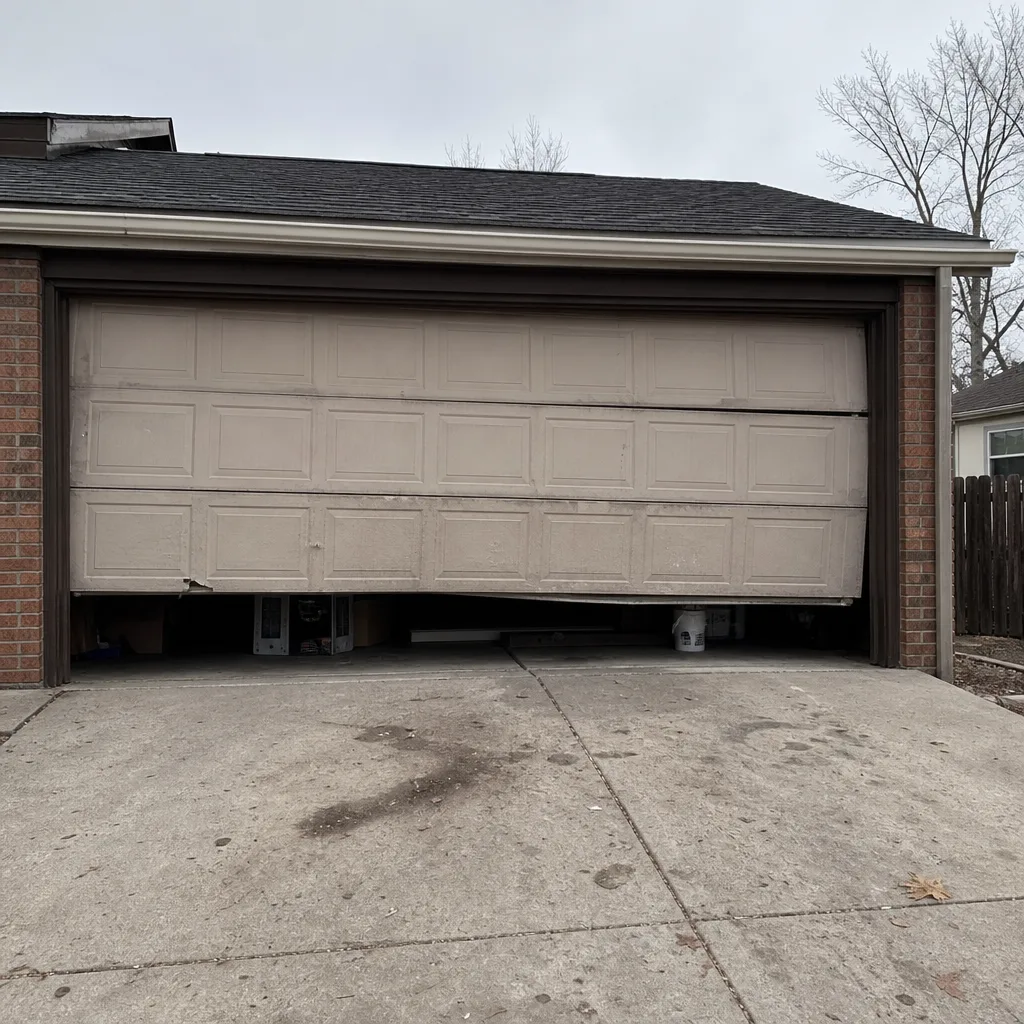 Before
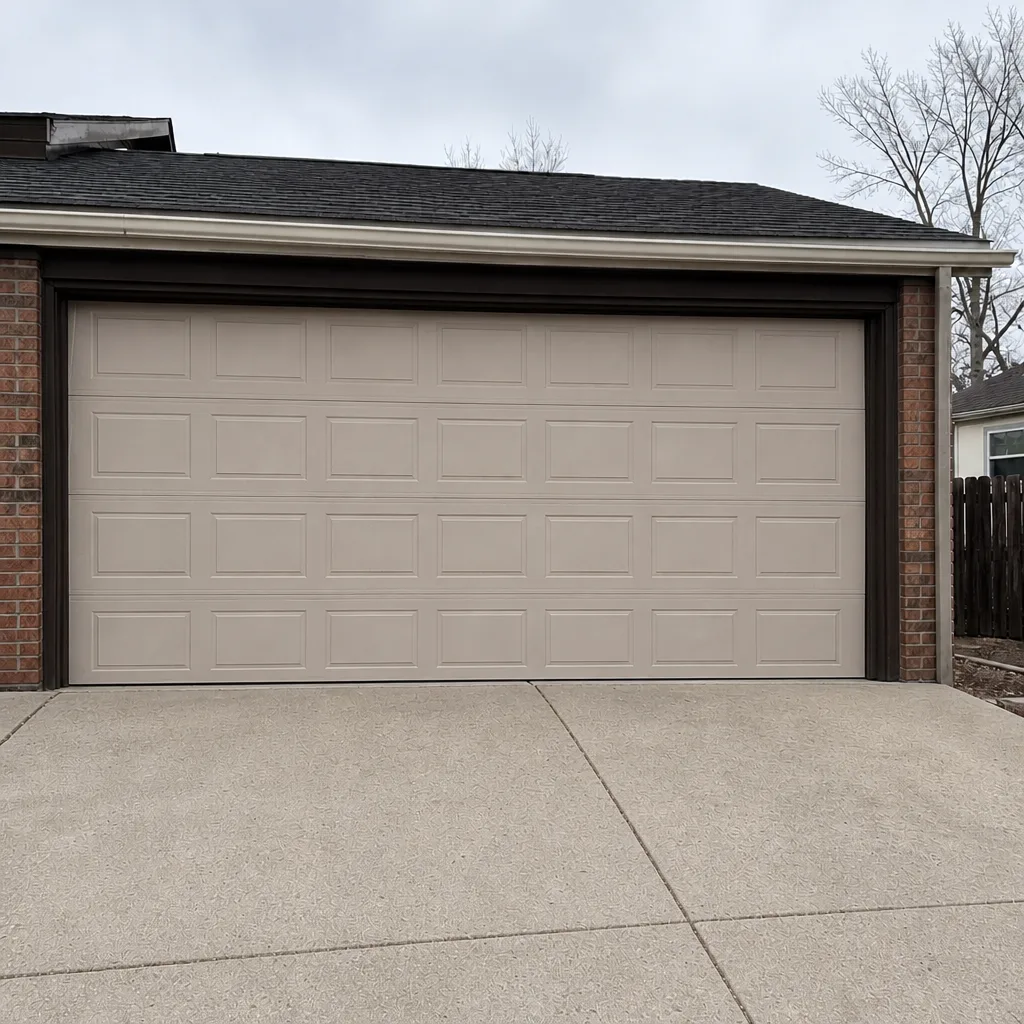 After
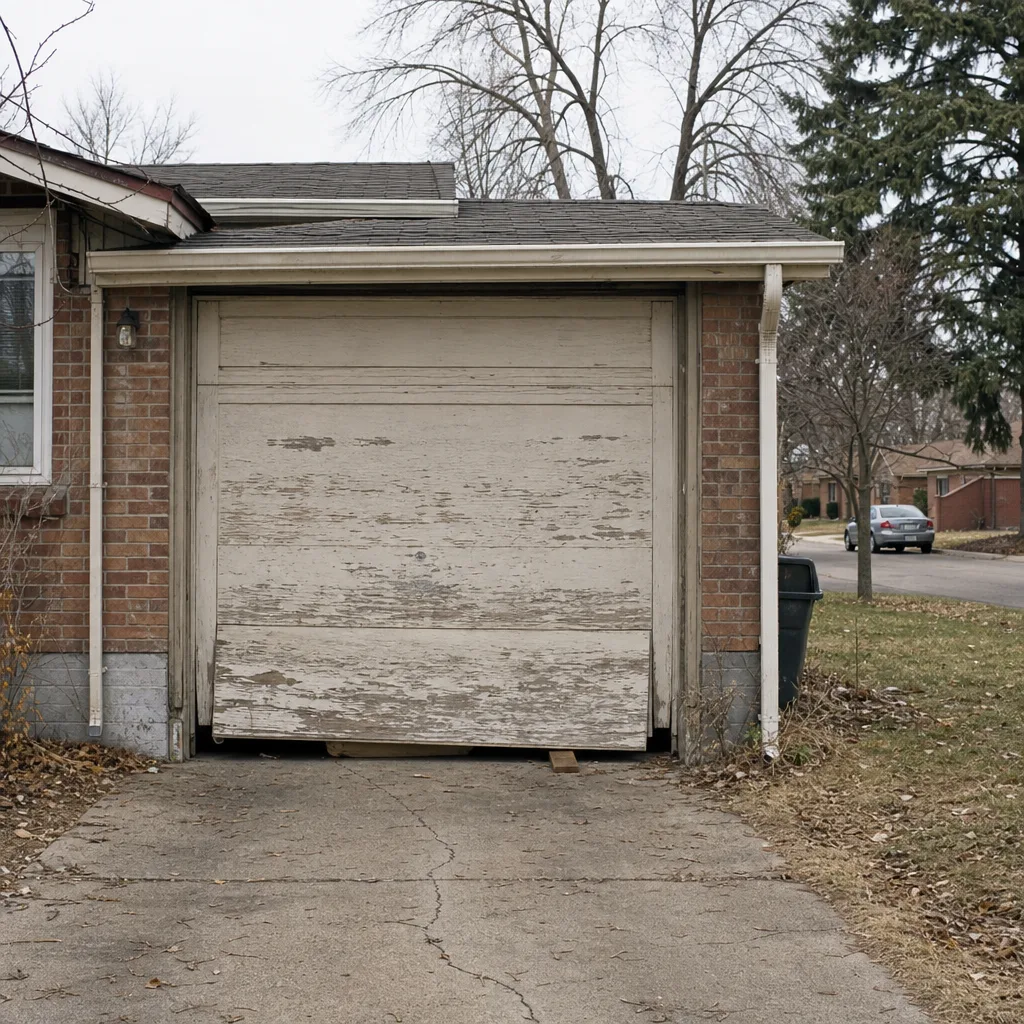 Before
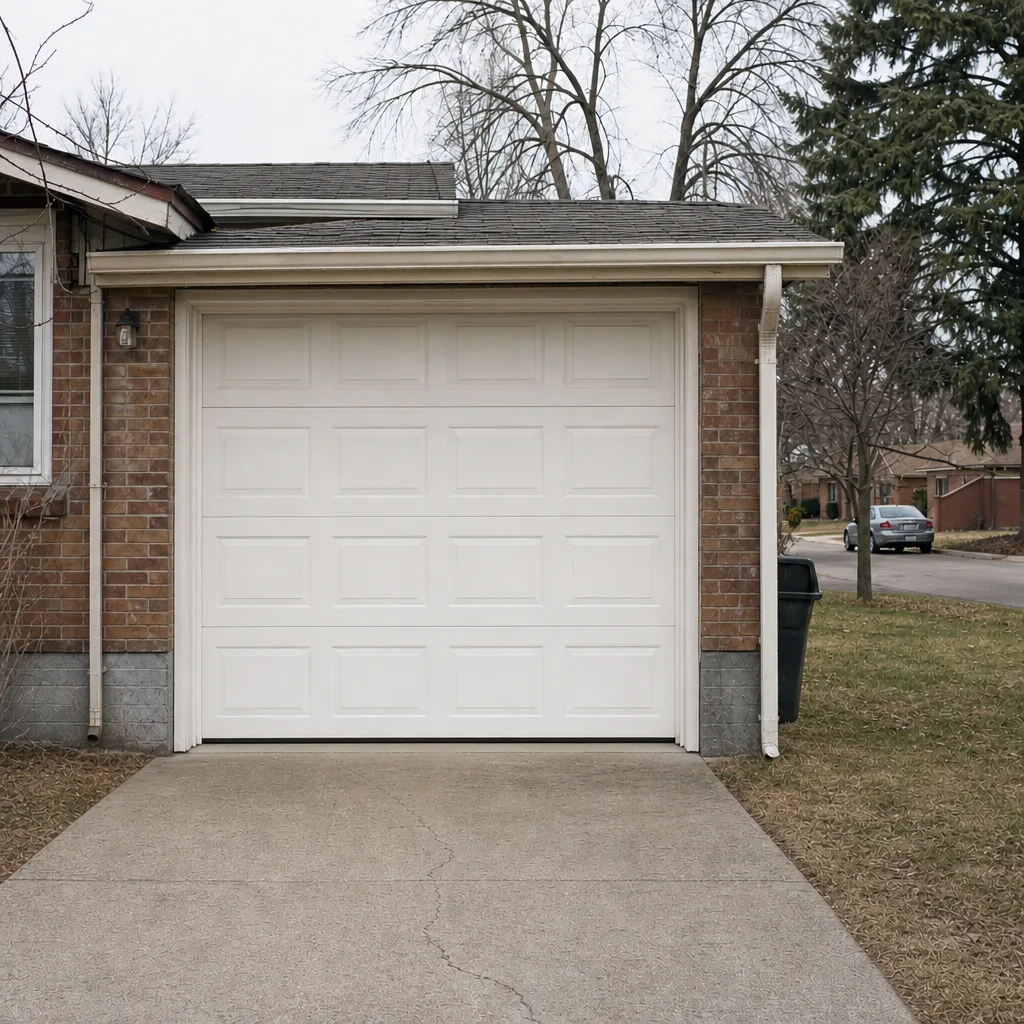 After
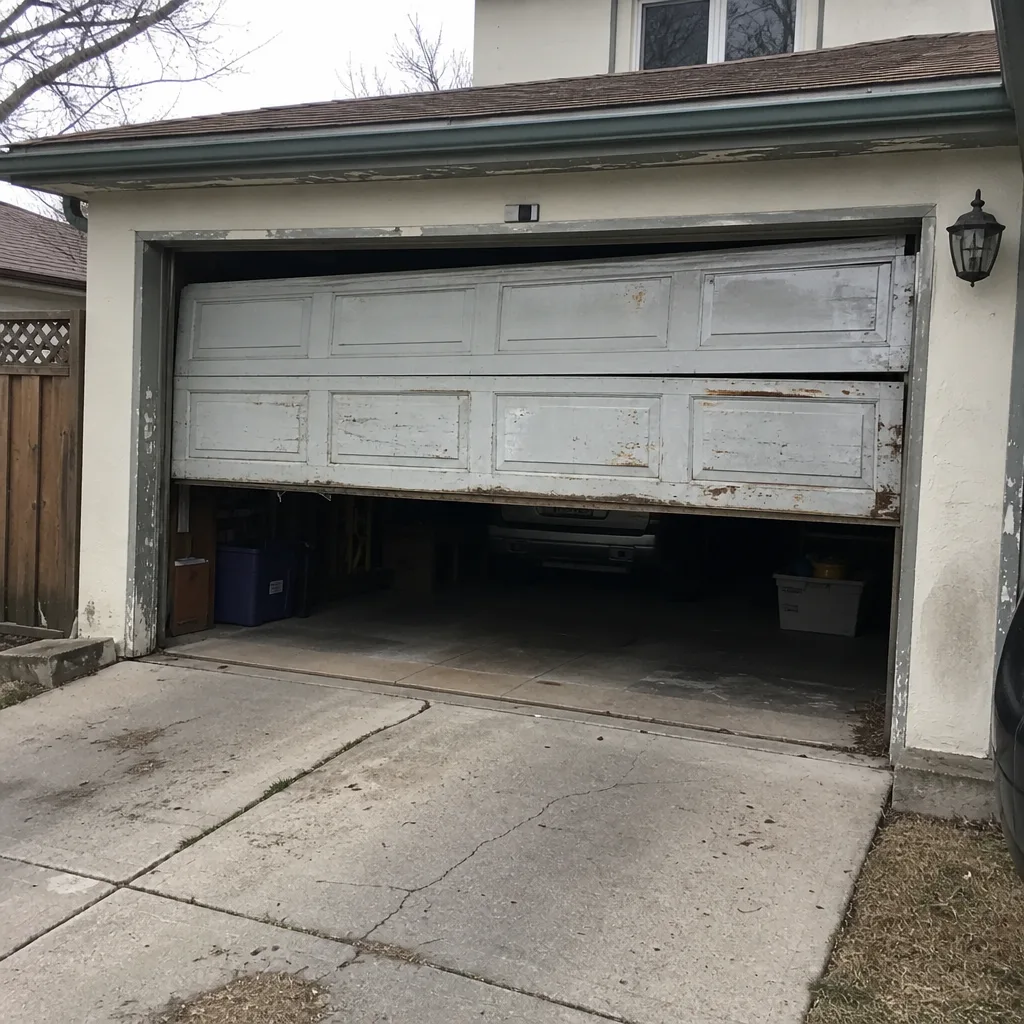 Before
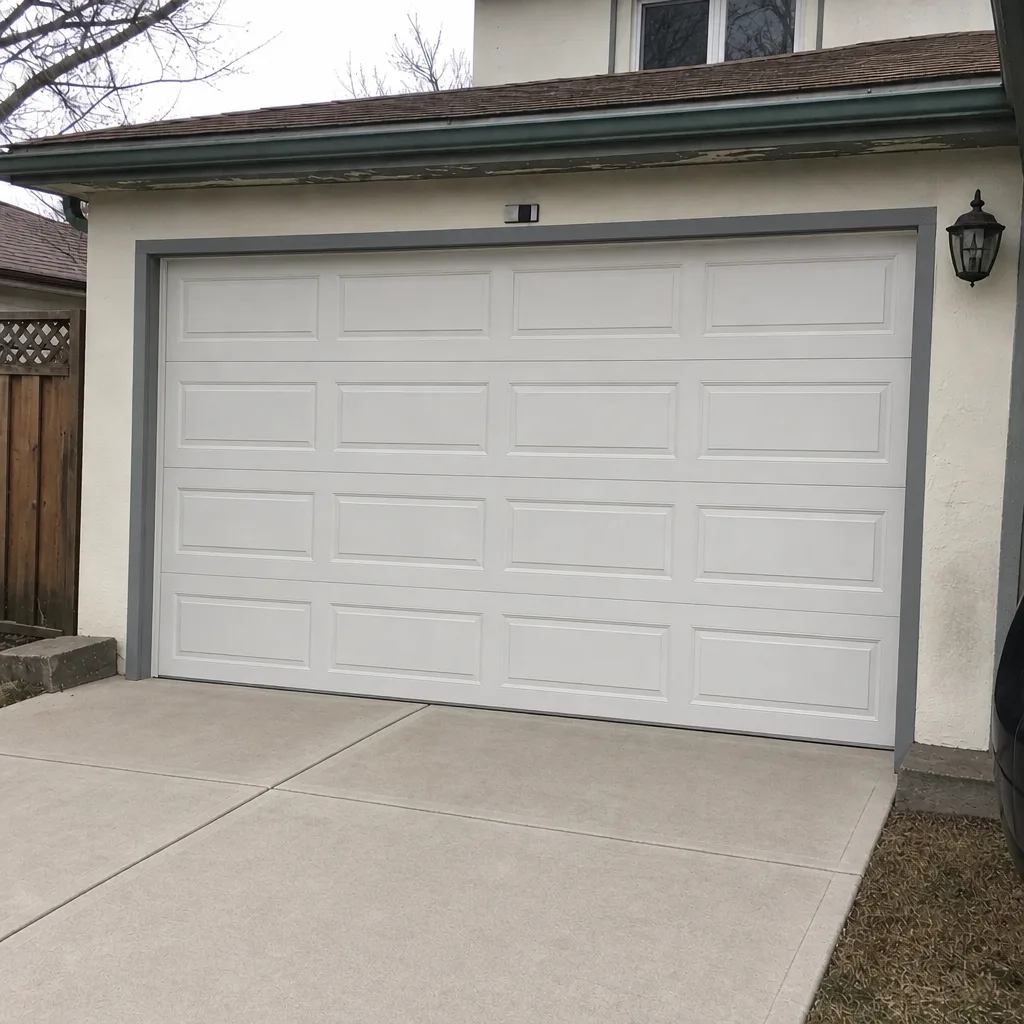 After
When to Call a Professional
Some garage door problems are a phone call, not a weekend project. Broken springs and frayed cables are the clearest cases: torsion springs are under serious tension and a snapped or mishandled spring can cause severe injury, so that work belongs to a trained technician, full stop. A door that’s come off its track, an opener that’s dead or behaving erratically, or a garage door that’s stopped opening at all are all situations where a professional diagnosis saves money and time. If you’re not sure whether it’s the opener or the spring, don’t guess; have it checked. We work across the major brands homeowners actually own, from LiftMaster and Chamberlain openers to Clopay, Amarr, Wayne Dalton, Raynor, and Craftsman doors, and we carry the parts so the job isn’t held up waiting on a supplier. If you’ve done the hardware audit above and something looks off, it’s worth a call. Garage Door Repair Park Hill offers free estimates in Park Hill. Call (888) 912-7130. We answer 24/7. Fast dispatch from 7am to 7pm, Sunday through Friday.
Frequently Asked Questions
Spring repair in Park Hill typically runs $150-$290 for a single torsion spring and $110-$220 for a single extension spring, and springs are usually replaced as a matched pair, so a pair costs about twice those figures. The written estimate sets the final price before any work starts. Call (888) 912-7130 for an exact quote. Estimates are free.
Often, yes. Same-day repair is available for many problems, including broken springs and opener faults, when the parts are on hand. We answer 24/7. Fast dispatch from 7am to 7pm, Sunday through Friday, and a call outside dispatch hours is booked into the next opening. If a door fails on a Saturday, we’re closed that day, so call and we’ll book you for Sunday or the next available day.
No. The price is quoted and agreed before any work starts, and it doesn’t change once the job is underway. The written estimate you get after the measure is the price. If we find something during the measure that changes the scope, that’s part of the quote, not a surprise on the invoice. Call (888) 912-7130 for a free estimate.
The local professional who comes to your door is licensed and insured as their state requires. Our technicians have up to 9 years of experience, and they’re trained across the eight major brands we service. Call (888) 912-7130 to book.
Yes. Detached garages are common in Park Hill, and we handle them, including checking power for an opener and squaring up an opening that’s settled over time. The measure comes first, then a written price, then scheduling once the door is ordered. Call (888) 912-7130 to set up a free measure and estimate.
Most likely, yes. We service LiftMaster, Chamberlain, Genie, Clopay, Amarr, Wayne Dalton, Craftsman, and Raynor, which covers virtually any door or opener a Park Hill homeowner has. If you’ve got a Chamberlain opener or a Clopay door, that’s squarely in our range. Call (888) 912-7130 with your brand and model and we’ll confirm.
The Bottom Line
Garage door decisions in Park Hill start with the house, not the brochure. A 1920s bungalow with a narrow detached garage and a 2019 infill build with a wide attached bay need different sizing, different openers, and different materials, and Denver’s freeze-thaw cycles and East Metro hail make the material choice a practical one, not just a cosmetic one. Audit your hardware first, measure your opening, and know whether your garage is attached or detached before you shop. Then get a written estimate and a firm price before any work starts. We handle the whole system, doors, openers, springs, and parts, across the major brands, so a Park Hill project doesn’t turn into a scavenger hunt for a second company.
Call (888) 912-7130 for a free estimate. We answer 24/7. Fast dispatch from 7am to 7pm, Sunday through Friday.
Written by the team at Garage Door Repair Park Hill.